
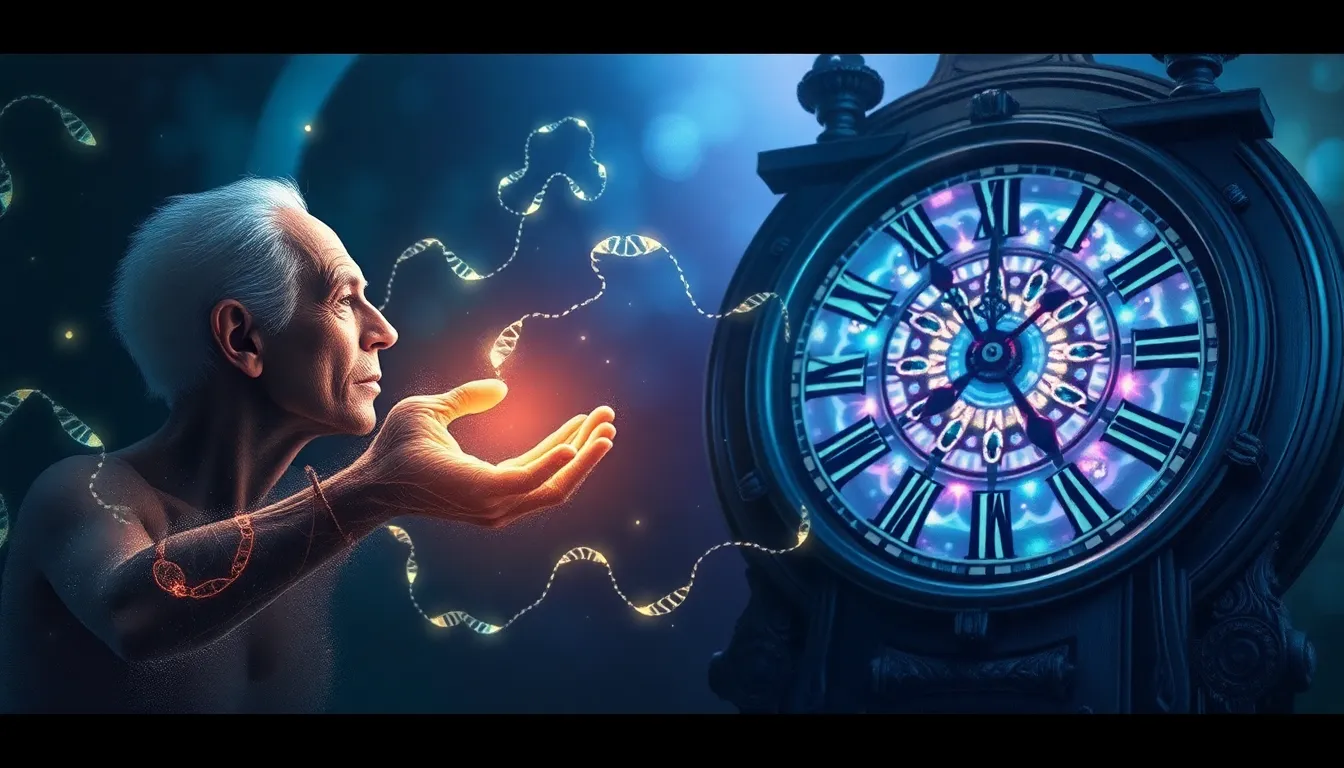
The Future of Aging: Can Science Stop Death?
Death has been humanity's ultimate certainty since the dawn of time. But what if that's about to change? Scientists around the world are working on breakthrough technologies that could dramatically extend human lifespan - or even eliminate aging altogether. From gene therapy to artificial intelligence, researchers are attacking the biological processes that cause our bodies to deteriorate over time. While we're not quite ready to declare victory over mortality, the progress in recent years has been nothing short of extraordinary. The question isn't whether we can slow aging anymore - it's how far we can push the boundaries of human longevity, and what that means for society as we know it.
The Science Behind Aging: Understanding What Kills Us
To understand how we might stop death, we first need to grasp why we age in the first place. Your body is essentially a complex machine made of cells that constantly repair and replace themselves. But over time, this repair system starts breaking down. Think of it like a photocopier making copies of copies - each generation gets a little blurrier than the last.
Scientists have identified several key mechanisms behind aging. Telomeres, the protective caps on our chromosomes, get shorter each time cells divide. Cellular damage accumulates from free radicals and environmental toxins. Our DNA develops mutations that lead to cancer and other diseases. Most importantly, our cells eventually lose their ability to function properly.
But here's where it gets interesting. Recent research shows that aging isn't just inevitable wear and tear - it's actually a biological program that can potentially be reprogrammed. Companies like Calico Labs, backed by Google, are investing billions into understanding these aging mechanisms. They've discovered that certain genetic modifications can extend lifespan in laboratory animals by 200-300%.
The breakthrough came when researchers realized that aging follows predictable patterns across different species. By studying organisms that live exceptionally long lives - like certain jellyfish that can theoretically live forever - scientists are uncovering the genetic switches that control longevity.
Current Breakthroughs in Life Extension Technology
The most promising developments in anti-aging research are happening right now in laboratories across the globe. Gene therapy is leading the charge, with scientists successfully reversing aging markers in mice using techniques like yamanaka factors - special proteins that can reprogram old cells back to a younger state.
Senolytics, drugs that eliminate old and damaged cells from your body, are already in human trials. These medications work like a cellular spring cleaning, removing the zombie cells that accumulate with age and cause inflammation throughout your body. Early results show improvements in everything from heart function to cognitive ability.
Blood transfusions from young donors have shown remarkable results in reversing age-related decline. This isn't vampire science fiction - clinical trials are underway testing whether young blood plasma can restore youthful function to aging organs. The preliminary data suggests it might actually work.
Artificial intelligence is accelerating the entire field by analyzing massive datasets to identify new anti-aging compounds. AI systems can now predict which molecules might extend lifespan years before traditional research methods could test them. This computational approach has already led to the discovery of several promising drugs now in development.
🧐 Did You Know? The oldest verified human lived to 122 years old, but some scientists believe the maximum human lifespan could theoretically reach 1,000 years with the right interventions. Lobsters show negligible aging and can live over 100 years, while certain trees have survived for thousands of years by continuously regenerating their cells.
The Challenges: Why Immortality Remains Elusive
Despite all this progress, stopping death entirely faces enormous obstacles. The human body is incredibly complex, with trillions of cells that need to coordinate perfectly. Even if we solve aging, we still have accidents, infections, and other causes of death to contend with.
Cancer represents one of the biggest challenges. As we extend lifespan, we also increase the chances of developing cancer. Some anti-aging treatments might even increase cancer risk by keeping cells active longer than they naturally would. It's a delicate balance between extending healthy life and avoiding unintended consequences.
The brain poses unique problems too. While we might be able to rejuvenate most organs, the brain's complexity makes it incredibly difficult to reverse neurological aging without affecting memory and personality. Would you still be you if we could reset your brain to a younger state?
Then there are the practical considerations. If people started living for centuries or millennia, how would society function? Would we need new economic systems? How would families work across multiple generations? These aren't just theoretical questions - they're real issues we'll need to address as life extension technology advances.
Regulatory approval also presents massive hurdles. Testing life extension treatments requires decades of study, but people don't have decades to wait. The FDA is grappling with how to approve treatments for aging when aging itself isn't officially classified as a disease.
What This Means for Your Future
So when might these breakthroughs actually reach you? Some anti-aging treatments are already available, though they're mostly preventive measures like better nutrition, exercise, and stress management. More advanced interventions could become available within the next 10-20 years.
The first generation of life extension therapies will likely add 10-30 healthy years to average lifespan. We're talking about staying healthy and active well into your 100s, rather than achieving immortality. But each breakthrough builds on the last, potentially leading to more dramatic extensions over time.
Cost will initially be a major barrier. Like most new medical technologies, life extension treatments will probably be expensive at first, available mainly to the wealthy. But if history is any guide, costs should come down over time as the technology matures and scales up.
Your lifestyle choices today still matter enormously. Regular exercise, healthy eating, stress management, and avoiding smoking remain your best bets for living longer right now. Think of current anti-aging research as a potential bonus on top of proven longevity practices, not a replacement for them.
The psychological impact might be just as significant as the physical benefits. Imagine planning your career knowing you might work for 200 years instead of 40. How would that change your approach to learning, relationships, and personal growth?
Conclusion
Can science stop death? The honest answer is that we don't know yet, but we're closer than ever before to finding out. The research happening today is genuinely groundbreaking, offering realistic hope for dramatically extending healthy human lifespan within our lifetimes.
We may not achieve true immortality anytime soon, but we're likely looking at a future where living to 120 or 150 in good health becomes routine rather than exceptional. The bigger question isn't whether we can extend life, but whether we should - and how we'll adapt as a species to potentially unlimited lifespans.
What's certain is that the conversation around aging and death is shifting from acceptance to action. We're moving from asking why we age to asking how we can stop it. That shift in perspective alone might be the most important breakthrough of all, opening up possibilities that previous generations couldn't even imagine.
Can humans actually become immortal?
True biological immortality remains highly unlikely. While science might dramatically extend lifespan and delay aging, eliminating death entirely would require solving numerous complex problems including accidents, diseases, and the fundamental limits of cellular repair mechanisms.
What anti-aging treatments are available right now?
Currently available treatments focus on prevention: hormone replacement therapy, advanced nutrition protocols, targeted supplements, and lifestyle interventions. Some experimental treatments like senolytics are in clinical trials, but most breakthrough therapies are still 5-15 years away from public availability.
How much would life extension treatments cost?
Initial treatments will likely cost tens of thousands of dollars annually, similar to current cancer therapies. However, costs should decrease significantly over time as technology advances and production scales up, potentially becoming accessible to most people within 20-30 years.
What are the biggest obstacles to stopping aging?
The main challenges include cancer risk, brain aging complexity, regulatory approval processes, and societal adaptation. Scientists must also solve the problem of coordinating rejuvenation across trillions of cells while maintaining normal biological functions and avoiding unintended consequences.
When will the first major life extension breakthrough reach the public?
Experts predict that treatments capable of adding 10-30 years to healthy lifespan could become available between 2035-2045. More dramatic life extension technologies might emerge in the 2050s or beyond, depending on research progress and regulatory approval timelines.