
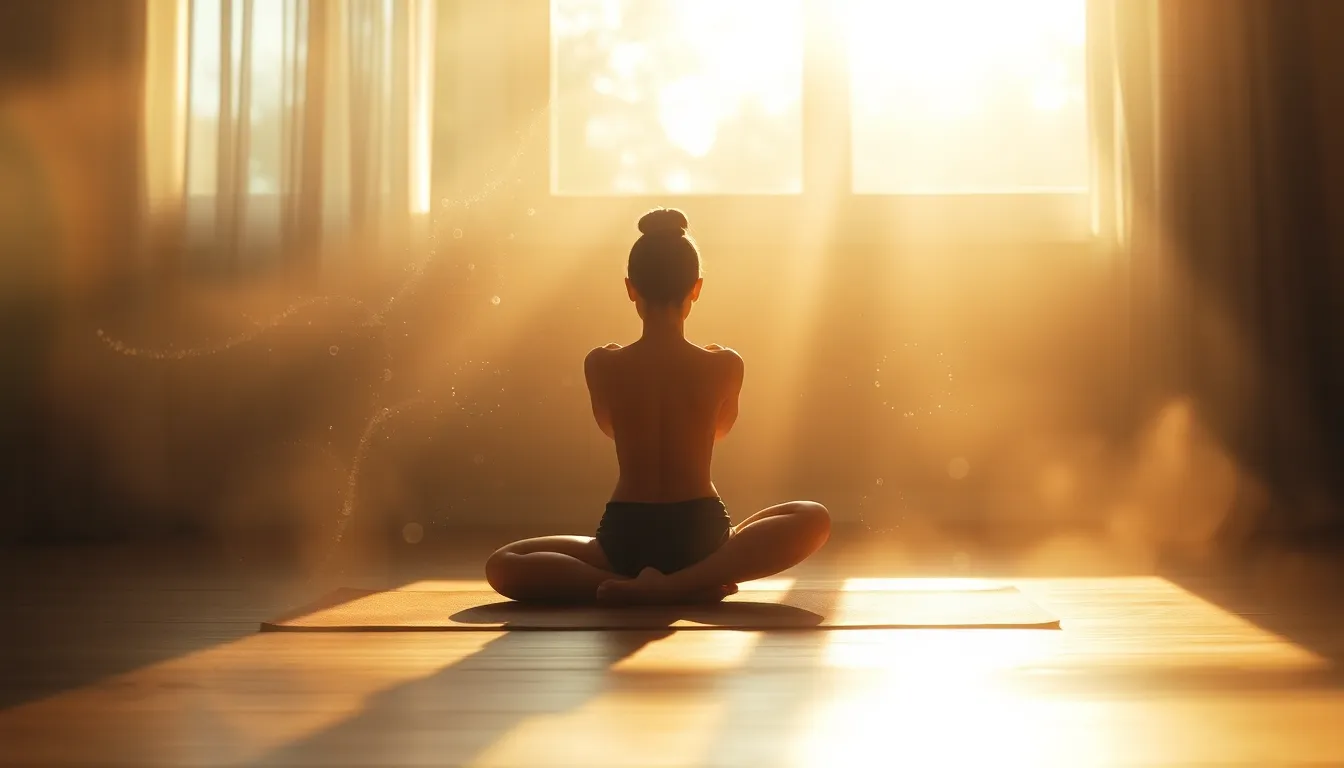
Yoga for Beginners: 5 Poses to Start Your Day
Your alarm goes off, and instead of reaching for your phone, imagine reaching for your yoga mat. Starting your day with yoga isn't just another wellness trend - it's a gentle way to wake up your body, calm your mind, and set a positive tone for whatever comes next. You don't need to be flexible, strong, or experienced. You just need five minutes and the willingness to try something that could change how you feel every morning.
These five beginner-friendly poses will help you create a simple morning routine that energizes without overwhelming. Whether you're dealing with morning stiffness, stress, or just want to feel more centered, this sequence gives your body exactly what it needs to transition from sleep to full alertness.
Why Morning Yoga Works Better Than Coffee
Think about how you typically start your day. Most of us roll out of bed, grab coffee, and rush into our routine. But your body has been still for 6-8 hours, and your nervous system needs a gentler wake-up call than caffeine can provide.
Morning yoga activates your parasympathetic nervous system - the part responsible for calm alertness. Unlike coffee, which can spike cortisol and leave you jittery, yoga naturally increases circulation, improves oxygen flow, and releases feel-good endorphins. You get energy that lasts, not a crash that hits at 2 PM.
Research shows that people who practice morning yoga report better mood regulation throughout the day. They handle stress more effectively and maintain steadier energy levels. Plus, you're getting movement in before life gets busy. No matter what happens later, you've already done something good for yourself.
The beauty of a morning practice is consistency. It's easier to stick with yoga at 7 AM than 7 PM when meetings run late or dinner plans change. Morning becomes your protected time - just you, your mat, and five minutes of intentional movement.
The Perfect 5-Pose Morning Sequence
This sequence follows a natural progression from gentle awakening to full-body activation. Each pose builds on the previous one, creating a flow that honors your body's need to transition gradually from sleep.
Child's Pose (Balasana): Start here to center yourself and gently stretch your lower back. Kneel on your mat, touch your big toes together, and sit back on your heels. Extend your arms forward and rest your forehead on the mat. Breathe deeply for 1-2 minutes. This pose calms your nervous system while slowly awakening your spine.
Cat-Cow Stretch (Marjaryasana-Bitilasana): Move to hands and knees. Arch your back and look up (Cow), then round your spine toward the ceiling (Cat). Move slowly with your breath for 8-10 rounds. This mobilizes your entire spine and creates space between vertebrae that may have compressed during sleep.
Downward Facing Dog (Adho Mukha Svanasana): From hands and knees, tuck your toes and lift your hips up and back. Don't worry about straight legs - bend your knees as much as needed. Hold for 1-2 minutes, pedaling your feet to wake up your calves. This pose energizes your whole body while strengthening your arms and core.
🧐 Did You Know? Just 10 minutes of morning yoga can increase your heart rate variability, which is linked to better stress resilience and emotional regulation throughout the day. Your nervous system literally learns to stay calmer under pressure.
Building Your Personal Morning Ritual
Standing Forward Fold (Uttanasana): From Downward Dog, walk your feet toward your hands. Let your arms hang heavy and sway gently side to side. Bend your knees generously - this isn't about touching your toes. Hold for 1-2 minutes. This pose increases blood flow to your brain while releasing tension in your neck and shoulders.
Mountain Pose (Tadasana): Roll up slowly, vertebra by vertebra, until you're standing tall. Close your eyes and take 5-10 deep breaths, feeling your feet rooted to the earth and the crown of your head reaching toward the sky. This final pose integrates everything and leaves you feeling grounded yet energized.
The key to making this work is starting small. Maybe you only do Child's Pose and Cat-Cow the first week. That's perfect. Your body needs time to adapt, and your schedule needs to accommodate this new habit. Set your mat out the night before. Keep your expectations realistic. Some mornings you'll have 10 minutes, others just 3.
Listen to your body's feedback. Morning stiffness is normal, but sharp pain isn't. Modify everything. Use props like pillows under your knees or blocks under your hands. The goal isn't perfect poses - it's consistent practice that serves your unique body and lifestyle.
Common Mistakes and How to Avoid Them
The biggest mistake beginners make is trying to do too much too soon. You see Instagram yogis in perfect poses and think that's the standard. But those practitioners have been at it for years. Your body is perfect exactly as it is right now.
Don't hold your breath during poses. Yoga without breath isn't yoga - it's just stretching. If you can't breathe comfortably in a position, back off until you can. Your breath guides the practice, not the other way around.
Another common mistake is rushing through the sequence. These aren't exercises to check off a list. Each pose deserves your attention. Move slowly, notice what you feel, and honor your body's messages. Some days you'll feel open and strong, others tight and tired. Both are normal.
Finally, don't judge your practice. There's no perfect way to do yoga, only your way. Some mornings your Downward Dog will feel amazing, others you'll barely want to get out of Child's Pose. Show up anyway. Consistency matters more than perfection, and self-compassion matters more than self-criticism.
Conclusion
Starting your day with yoga isn't about adding another task to your morning routine - it's about replacing stress with intention, rushing with presence, and tension with ease. These five poses give you everything you need to transition from sleep to alertness in a way that honors your body's natural rhythms.
The real magic happens not in perfect poses but in the commitment to show up for yourself daily. Some mornings will feel transformative, others merely routine. Both matter. You're building a relationship with your body, learning its language, and creating space for peace in a busy world.
Remember, every expert was once a beginner. Your journey starts with a single breath, a gentle stretch, and the willingness to try. Your morning yoga practice is waiting for you - not tomorrow or next Monday, but right now. Your body has been patient all night. It's time to give it the gentle awakening it deserves.
How long should I hold each pose as a beginner?
Start with 30 seconds to 1 minute for each pose. As you become more comfortable, you can extend to 1-2 minutes. Listen to your body - if a pose feels good and your breath is steady, stay longer. If you feel strain or discomfort, come out earlier.
Do I need a yoga mat to practice these morning poses?
While a yoga mat provides better grip and cushioning, you can start on a carpet or towel. The most important thing is having a non-slip surface. If you decide to continue practicing regularly, investing in a basic yoga mat will improve your comfort and stability.
What if I'm too stiff to do these poses properly?
Stiffness is completely normal, especially in the morning. Modify every pose to work for your body. Bend your knees in forward folds, use pillows for support in Child's Pose, and remember that flexibility comes with time and practice. Never force a stretch.
Can I do this sequence if I have back problems?
These poses are generally gentle for most back issues, but consult your doctor first if you have chronic back pain or recent injuries. Child's Pose and Cat-Cow are particularly therapeutic for many back conditions, but individual needs vary.
How quickly will I see benefits from morning yoga?
Many people notice improved mood and energy within the first week. Physical benefits like increased flexibility and reduced stiffness typically develop over 2-4 weeks of consistent practice. The key is regularity - even 5 minutes daily is more beneficial than longer sessions done sporadically.