
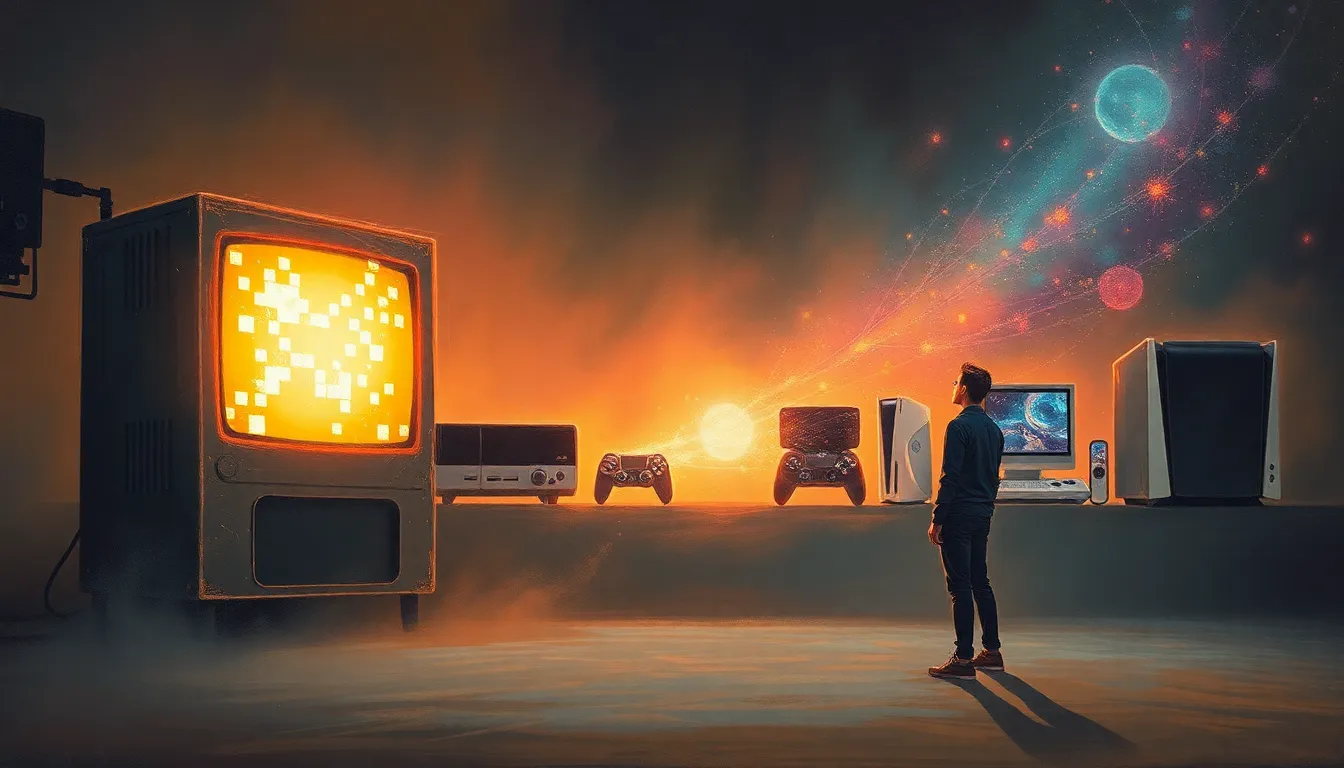
The journey of gaming consoles from simple electronic boxes to powerful entertainment hubs mirrors our technological evolution over the past five decades. What began as basic pixels on a screen has transformed into photorealistic worlds, immersive narratives, and global communities connecting millions of players. Understanding this progression reveals not just the story of gaming hardware, but how we've reimagined play, competition, and social interaction in the digital age. Each generation brought bold experiments, fierce competition, and innovations that shaped how we experience entertainment today.
The Birth of Home Gaming
The Magnavox Odyssey made history in September 1972 as the first home video game console, though few people today would recognize it as gaming. Players had to tape plastic screen overlays onto their television sets to create backgrounds, and the console produced no sound whatsoever. Scoring happened the old-fashioned way - you kept track yourself with pen and paper. This primitive approach seems laughable now, but it represented a revolutionary idea: bringing interactive electronic entertainment into living rooms.
The real breakthrough came when Atari brought its arcade hit home. Home Pong, released through Sears in 1975, captured the simplicity that made gaming accessible to everyone. That holiday season alone saw approximately 150,000 units sold, proving that families wanted this new form of entertainment. Unlike the Odyssey, Pong was dedicated to one game, but it did that one thing well enough to spark a cultural shift. Suddenly, the television wasn't just for passive watching.
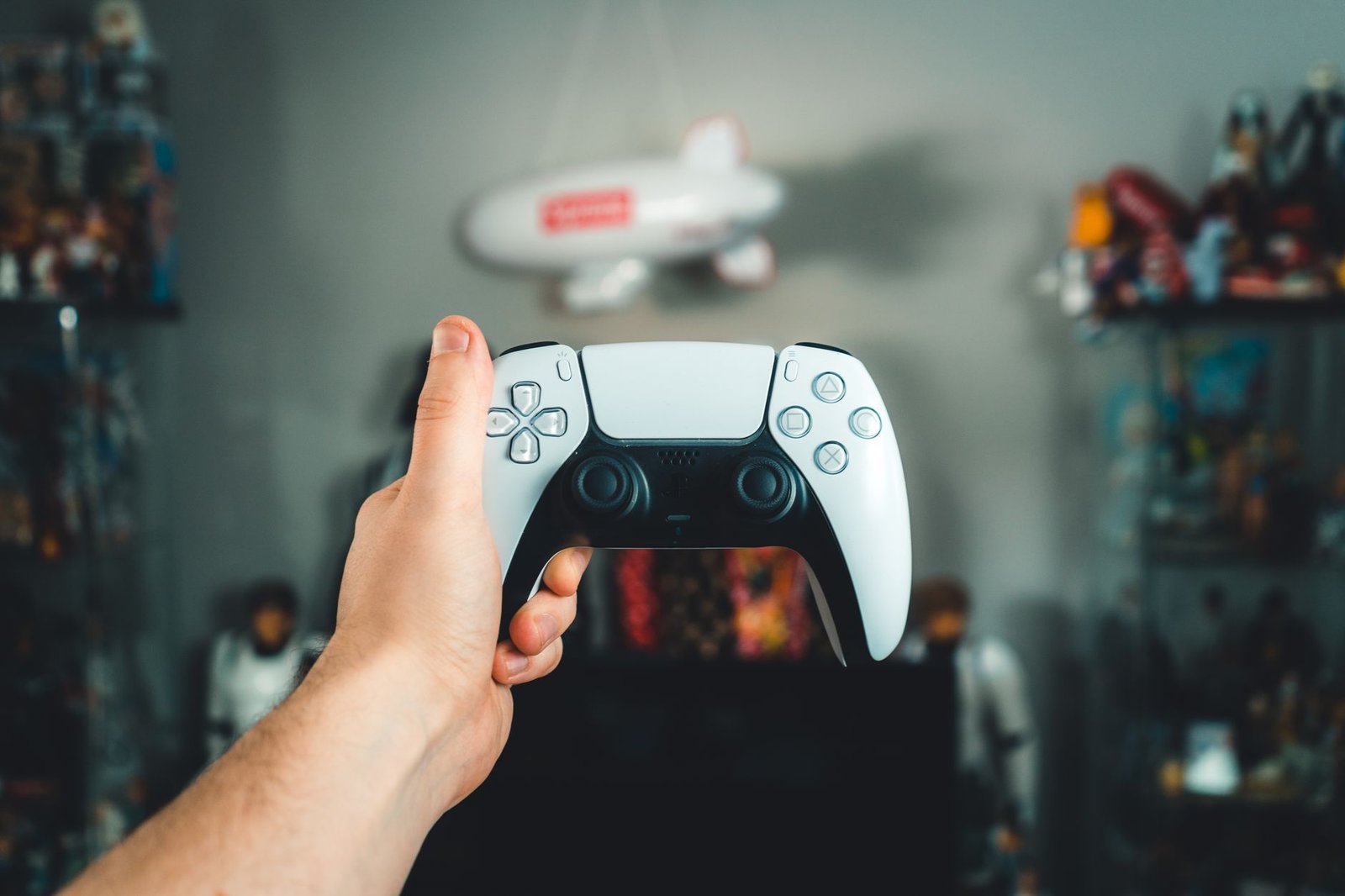
These early consoles faced skepticism from retailers who couldn't imagine electronic toys competing with board games and bicycles. They were clunky, expensive, and limited. Yet they planted seeds that would grow into an industry worth hundreds of billions today.
The Console Wars Begin
The video game crash of 1983 nearly killed the industry entirely. Oversaturation, poor quality control, and consumer confusion created a market collapse that sent most companies running. Then Nintendo took a calculated risk. The Nintendo Entertainment System launched as a limited test market in New York City on October 18, 1985, carefully positioned not as a video game system but as an entertainment system. That distinction mattered in stores still burned by the crash.
Nintendo's strategy worked because they controlled quality through strict licensing, ensuring every cartridge met standards. Games like Super Mario Bros., The Legend of Zelda, and Metroid proved that video games could tell stories, create worlds, and build franchises that endured. The NES saved gaming by making it reliable, approachable, and undeniably fun.
🧐 Did You Know? The original Sony PlayStation, released in Japan on December 3, 1994, became the first console to sell over 100 million units globally, fundamentally shifting the gaming industry from cartridges to disc-based media.
Sega entered the fray with aggressive marketing that directly challenged Nintendo's family-friendly image. The Genesis positioned itself as the cool, edgier alternative with Sonic the Hedgehog as its mascot and campaigns proclaiming "Genesis does what Nintendon't." This competition drove innovation at breakneck speed. Both companies pushed technological boundaries, experimented with peripherals, and fought for exclusive titles. Gamers won, getting better hardware and games that pushed creative limits.
Sony's entry changed everything again. The PlayStation brought CD-ROM technology, mature storytelling, and 3D graphics that felt genuinely next-generation. It appealed to older audiences and positioned gaming as entertainment for everyone, not just children. Microsoft followed with the Xbox, bringing online gaming to consoles through Xbox Live and proving that traditional tech giants saw gaming's future potential.
The Power and Performance Race
Each new generation became an arms race of specifications. More polygons per second, higher resolutions, faster load times, better textures. The PlayStation 2 dominated the early 2000s partly by doubling as a DVD player, making it practical beyond gaming. The Xbox 360 and PlayStation 3 pushed high-definition graphics and online multiplayer into the mainstream, though Sony's complex Cell processor and high launch price initially hampered the PS3's adoption.
Nintendo took a different path with the Wii, proving that innovation didn't always mean more power. Motion controls attracted non-gamers and families, selling over 100 million units by prioritizing accessibility over technical specs. Meanwhile, hardcore gamers debated frame rates and resolution differences between competing systems, a debate that continues today.
The PlayStation 4 and Xbox One generation saw gaming become increasingly social and connected. Game sharing, streaming integration, and massive online communities transformed single-player experiences into shared moments. But technical stumbles at launch, particularly Microsoft's confusing messaging around always-online requirements and used games, showed that even industry giants could misread their audience.
Recent hardware like the PlayStation 5 and Xbox Series X pushed ray tracing, solid-state drives for near-instant loading, and backwards compatibility. Yet chip shortages and scalping made these powerful machines nearly impossible to buy for years, highlighting how global supply chains affect even luxury entertainment products.
Beyond the Box: Services and Ecosystems
Modern consoles aren't just gaming devices anymore. They're entertainment hubs offering streaming video, music services, social features, and increasingly, subscription-based game libraries. Xbox Game Pass changed the conversation by offering hundreds of games for a monthly fee, while PlayStation Now provided similar value through streaming. This shift mirrors what happened with music and video - ownership giving way to access.
Cloud gaming promises to make expensive hardware optional entirely. Services like Xbox Cloud Gaming let you play console-quality titles on phones, tablets, or modest PCs. The technology still faces latency challenges and requires robust internet, but the direction is clear. We might be approaching a future where the console itself becomes optional, just a convenient access point rather than a necessity.
Cross-platform play finally broke down the walled gardens that kept friends on different systems apart. Games like Fortnite and Rocket League let PlayStation, Xbox, Nintendo, and PC players compete together, something unthinkable a decade ago when platform exclusivity drove hardware sales. This cooperation suggests the industry values growing the overall player base over maintaining exclusive fiefdoms.
Conclusion
The evolution of gaming consoles reflects broader technological and cultural shifts. We moved from isolated single-player experiences to global communities, from simple pixels to cinematic presentations, from niche hobby to mainstream entertainment. Each generation built on lessons learned, sometimes through spectacular failures that redirected entire companies.
Looking at where we've come from makes the current landscape feel almost surreal. Those plastic screen overlays and manual scorekeeping gave way to virtual worlds indistinguishable from reality, experiences that can move us emotionally, and connections spanning continents. The hardware keeps advancing, but the core appeal remains unchanged - we want to play, compete, explore, and share those moments with others.
What comes next will likely surprise us as much as the Odyssey surprised living rooms in 1972. Virtual reality might finally go mainstream, cloud gaming could make dedicated hardware obsolete, or something entirely unexpected might emerge. The constant remains our desire for better, more immersive ways to play together.
FAQs
What was the very first gaming console ever made?
The Magnavox Odyssey, released in September 1972, was the first home video game console. It used plastic screen overlays for backgrounds, had no sound, and required players to manually track their scores. Despite its limitations, it introduced the concept of home video gaming.
Why did the video game market crash in 1983?
The 1983 crash resulted from market oversaturation with low-quality games, too many competing consoles, and consumer confusion. Retailers were stuck with unsold inventory and lost confidence in video games as a viable product category, nearly destroying the entire industry before Nintendo's careful revival.
How do modern consoles compare to gaming PCs?
Consoles offer standardized hardware at competitive prices with exclusive titles and simpler setup, while PCs provide more customization, better graphics potential at high budgets, and backwards compatibility across decades. Neither is objectively superior - the choice depends on priorities like cost, convenience, and specific games you want to play.
What does backwards compatibility mean for gaming consoles?
Backwards compatibility lets newer consoles play games designed for older systems. This preserves game libraries when upgrading hardware and maintains access to classic titles. The Xbox Series X and PlayStation 5 both emphasize this feature, recognizing that players have invested heavily in digital libraries they don't want to abandon.
Will cloud gaming replace physical consoles entirely?
Cloud gaming is growing but faces infrastructure challenges like internet speed requirements and latency issues that affect gameplay quality. While it's becoming a viable option for many players, physical consoles still offer the most reliable, high-performance experience. Complete replacement seems unlikely in the near term, though both approaches will likely coexist.