

The internet feels different these days, doesn't it? Scroll through any social media feed and you'll notice something odd - an avalanche of generic comments, suspiciously perfect product reviews, and content that somehow feels just a little too polished, a little too similar. The Dead Internet Theory proposes something unsettling: that most of what you interact with online isn't created by real people anymore. According to this theory, bots and AI systems have quietly overtaken the web, generating content, conversations, and engagement at a scale that makes genuine human activity a shrinking minority. While it might sound like conspiracy thinking, the statistics behind it are harder to dismiss than you'd expect.
What the Dead Internet Theory Actually Claims
The Dead Internet Theory emerged in 2021 from a post on the forum Agora Road's Macintosh Cafe, titled "Dead Internet Theory: Most Of The Internet Is Fake." This post, now considered the foundational text for the theory, argued that the internet died sometime around 2016 or 2017. According to the theory's proponents, what replaced it was a vast network of automated systems, bots, and AI-generated content designed to manipulate users, drive engagement, and serve corporate or governmental interests.
The core claim goes beyond just acknowledging that bots exist. We've all encountered spam accounts and automated systems. The theory suggests something more comprehensive: that the majority of content you consume, the profiles you interact with, and even the trending topics you see are manufactured by non-human systems. Real human users, in this view, have become a minority on their own platforms, shouting into a void populated mostly by machines talking to other machines.
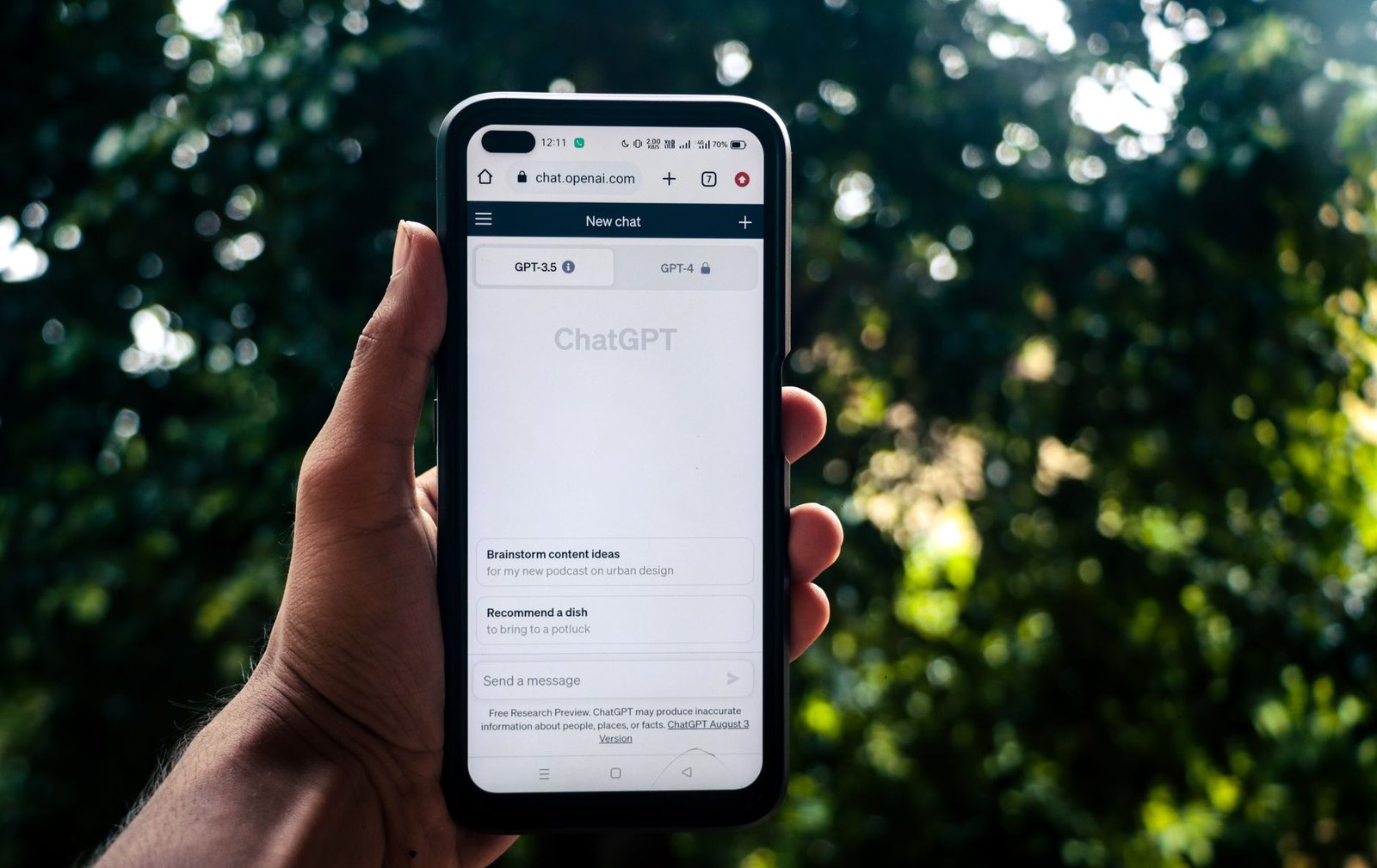
What makes this theory stick in people's minds isn't just paranoia. It taps into a genuine feeling many of us share - that the internet has become strangely hollow. Conversations feel scripted. Viral moments seem manufactured. Communities that once felt vibrant now feel like they're running on autopilot. Whether or not you believe the theory in its most extreme form, it captures something real about how the web has changed.
The Numbers Behind the Theory
Here's where things get uncomfortable: the bot statistics are real, even if the conspiracy isn't. Reports from 2026 show that bots accounted for over 53% of all web traffic, with human activity at just 47%. Another analysis put the figure even higher, claiming bots made up 65.5% of all web traffic - the first time in internet history that automated systems outnumbered people online.
These aren't theoretical projections. These are measurements of actual traffic patterns across the web. When you consider that more than half of website requests come from bots, suddenly the Dead Internet Theory doesn't seem quite so fringe. The question shifts from "is this happening?" to "what does it mean that it's happening?"
Not all bots are created equal, of course. Many serve legitimate purposes - search engine crawlers indexing websites, monitoring services checking uptime, security tools scanning for vulnerabilities. But a significant portion exists to manipulate engagement metrics, scrape content, spread spam, or create the illusion of activity where none exists. When platforms measure success by engagement numbers, and when those numbers can be artificially inflated by automated systems, the incentive to fill the web with fake activity becomes overwhelming.
🧐 Did You Know? The Dead Internet Theory gained renewed attention in September 2025 when OpenAI CEO Sam Altman publicly noted the increasing number of AI-powered accounts on Twitter, highlighting how automated systems were becoming normalized parts of social media platforms.
How AI Changed the Conversation
The theory existed before ChatGPT and similar tools, but generative AI transformed it from niche forum discussion to mainstream concern. These systems can produce human-like text, images, and even video at a scale that would have seemed impossible just a few years ago. One person with the right tools can now generate thousands of blog posts, social media comments, or product reviews in the time it would take to write a single thoughtful paragraph.
The volume of AI-generated and AI-assisted content has become nearly impossible to quantify. Walk through any comment section and try to determine which responses came from real people and which were generated by language models. It's genuinely difficult. The quality has reached a point where automated content often passes for human work, especially in the quick-scroll environment of social media where nobody's reading that carefully anyway.
Researchers have noted that the real problem isn't necessarily a coordinated conspiracy to replace human activity, but rather the natural outcome of platforms prioritizing engagement metrics over authenticity. When your business model depends on keeping users scrolling, and AI can generate endless content optimized for engagement, why wouldn't platforms embrace it? The incentives all point in the same direction, even without anyone sitting in a room plotting to kill the internet.
This creates a strange feedback loop. Platforms show you AI-generated content because it performs well in their algorithms. You engage with it because it's designed to be engaging. This signals to the platform that this type of content works, so it creates or promotes more of it. Real human creators either adapt by making their content more algorithm-friendly (which often means making it feel more generic and AI-like) or they get buried in feeds that no longer prioritize genuine human connection.
What This Means for Real People
The practical impact of this shift affects how you experience the internet every day. Those communities you joined years ago? Many now feel like ghost towns where a handful of real people post occasionally while automated systems generate the majority of activity. The helpful review you're reading before making a purchase might be AI-generated marketing copy designed to hit all the right keywords without ever touching the actual product.
Even when content comes from real people, it's increasingly shaped by awareness of how algorithms work. Writers optimize for search engines. Social media posts are crafted to trigger engagement. YouTubers structure videos around retention metrics. The line between "created by a human" and "created by a human who's essentially following an algorithmic playbook" becomes pretty blurry.
This doesn't make the Dead Internet Theory true in its most paranoid form. There's no evidence of a coordinated effort by governments or corporations to replace the internet with a fully automated simulation. But it does suggest that the theory is asking the right question, even if it's reaching for the wrong answer. The internet isn't fake because of some conspiracy - it's becoming fake because that's what the economic incentives of the modern web produce.
You can see this in how platforms have evolved. Social networks that were supposed to connect you with friends now primarily show you content from accounts you don't follow, chosen by algorithms optimizing for engagement. Search results increasingly surface AI-generated articles that exist solely to capture traffic, not to provide genuine value. The mechanisms of the internet still work, but they're increasingly working for purposes other than authentic human connection.
Conclusion
The Dead Internet Theory, in its purest form, probably isn't true. There's no central conspiracy making the web fake. But like many good conspiracy theories, it contains a kernel of uncomfortable truth wrapped in exaggeration. The internet really is filling up with automated content and bot traffic. Real human activity really is becoming proportionally smaller. The authentic, weird, human internet we remember from earlier years really is getting harder to find.
The more important question isn't whether the internet is dead - it's what kind of internet we're building to replace the old one. Right now, we're creating a web optimized for engagement metrics, advertising revenue, and algorithmic distribution. That tends to produce a lot of generic, AI-generated, bot-driven content because that's what performs well in those systems. If we want something different, we need to build systems with different incentives. Until then, the Dead Internet Theory will continue to feel uncomfortably plausible every time you scroll through another feed of suspiciously similar content.
FAQs
Is the Dead Internet Theory actually real?
The theory in its most extreme form - claiming a coordinated conspiracy to replace human activity with bots - lacks evidence. However, the underlying concern has basis in fact. Bots genuinely do account for the majority of web traffic now, and AI-generated content has become ubiquitous. The internet isn't dead, but it has fundamentally changed in ways that make human activity less central than it used to be.
What percentage of internet traffic actually comes from bots?
Recent reports from 2026 indicate that bots account for over 53% of all web traffic, with some analyses putting the figure as high as 65.5%. This marks the first time in internet history that automated systems have outnumbered human users in terms of overall traffic volume. These figures include both legitimate bots (like search engine crawlers) and malicious or spam-generating systems.
How can I tell if content is AI-generated?
It's becoming increasingly difficult to distinguish AI-generated content from human-created work, especially in short-form content like social media posts and comments. Some tells include overly generic language, perfect grammar without personality, repetitive phrasing patterns, and content that seems optimized for keywords rather than genuine communication. However, modern AI systems are sophisticated enough that definitive detection often requires specialized tools.
When did the Dead Internet Theory start?
The theory gained widespread attention after a 2021 post on the forum Agora Road's Macintosh Cafe titled "Dead Internet Theory: Most Of The Internet Is Fake." This post is considered the foundational text for the theory. The concept gained renewed mainstream attention in 2025 when OpenAI CEO Sam Altman publicly noted the proliferation of AI-powered accounts on social media platforms.
Are social media platforms mostly bots now?
While bots constitute a significant portion of activity on most major platforms, the exact percentage varies by platform and how "bot" is defined. Not all automated accounts are malicious - some are official brand accounts, customer service bots, or content aggregators. However, a substantial amount of engagement you see (likes, comments, shares) comes from automated systems rather than real people, which affects how authentic platforms feel and how their algorithms function.