
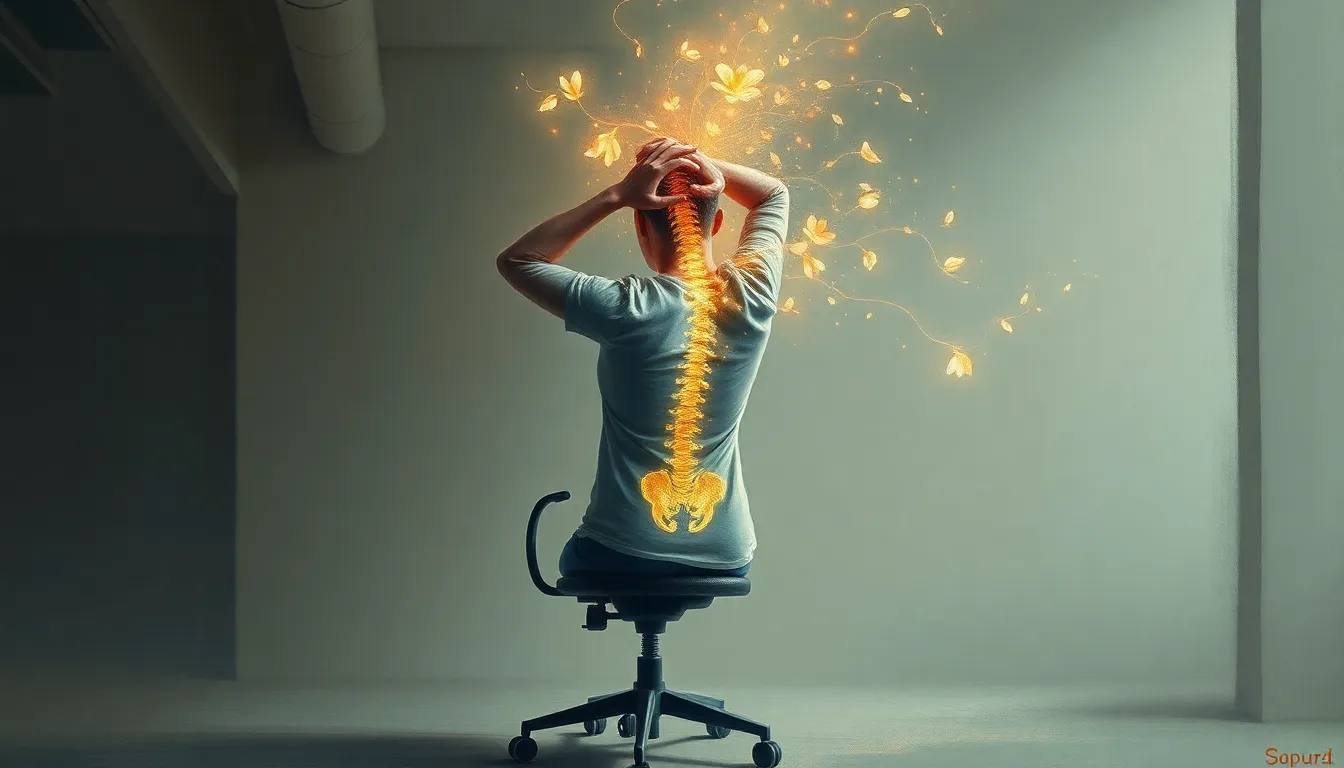
Your neck feels tight. Your lower back aches. Your shoulders are creeping up toward your ears again. Sound familiar? If you spend most of your workday planted in a chair, you're not alone - and your body is probably trying to tell you something. Sitting for hours on end wasn't what our bodies were designed for, and the consequences show up fast: stiff joints, tight muscles, poor posture, and that nagging discomfort that follows you home from the office. But here's the good news: you don't need a gym membership or an hour-long yoga class to fight back. The right desk stretches, done consistently throughout your day, can reverse much of the damage before it takes root. Let's walk through five essential stretches that actually work.
Why Sitting All Day Hurts More Than You Think
When you sit for extended periods, your body goes into a kind of shutdown mode. Blood flow slows down. Your hip flexors tighten and shorten. The muscles in your glutes and legs weaken from disuse. Meanwhile, your spine compresses under the constant pressure of poor sitting posture, and your neck strains forward as you lean toward your screen. This isn't just about temporary discomfort. Research shows that prolonged sitting increases your risk of serious health problems including heart disease, diabetes, and certain cancers. The mental health impact deserves attention too - sedentary behavior correlates with higher rates of anxiety and depression.
What happens in your body during a typical eight-hour workday? Your metabolism slows significantly. The enzymes responsible for breaking down fat drop by about 90%. Your good cholesterol decreases. Insulin effectiveness drops, meaning your blood sugar regulation suffers. Even your spine literally compresses, which is why you're actually slightly shorter at the end of the day than you were when you woke up. The National Institutes of Health recommends that office workers stretch for 1-2 minutes every 20-30 minutes of work time. That might sound like a lot of interruption, but think of it as preventive maintenance. A few seconds of stretching beats weeks of physical therapy down the line.
The Five Stretches That Make a Real Difference
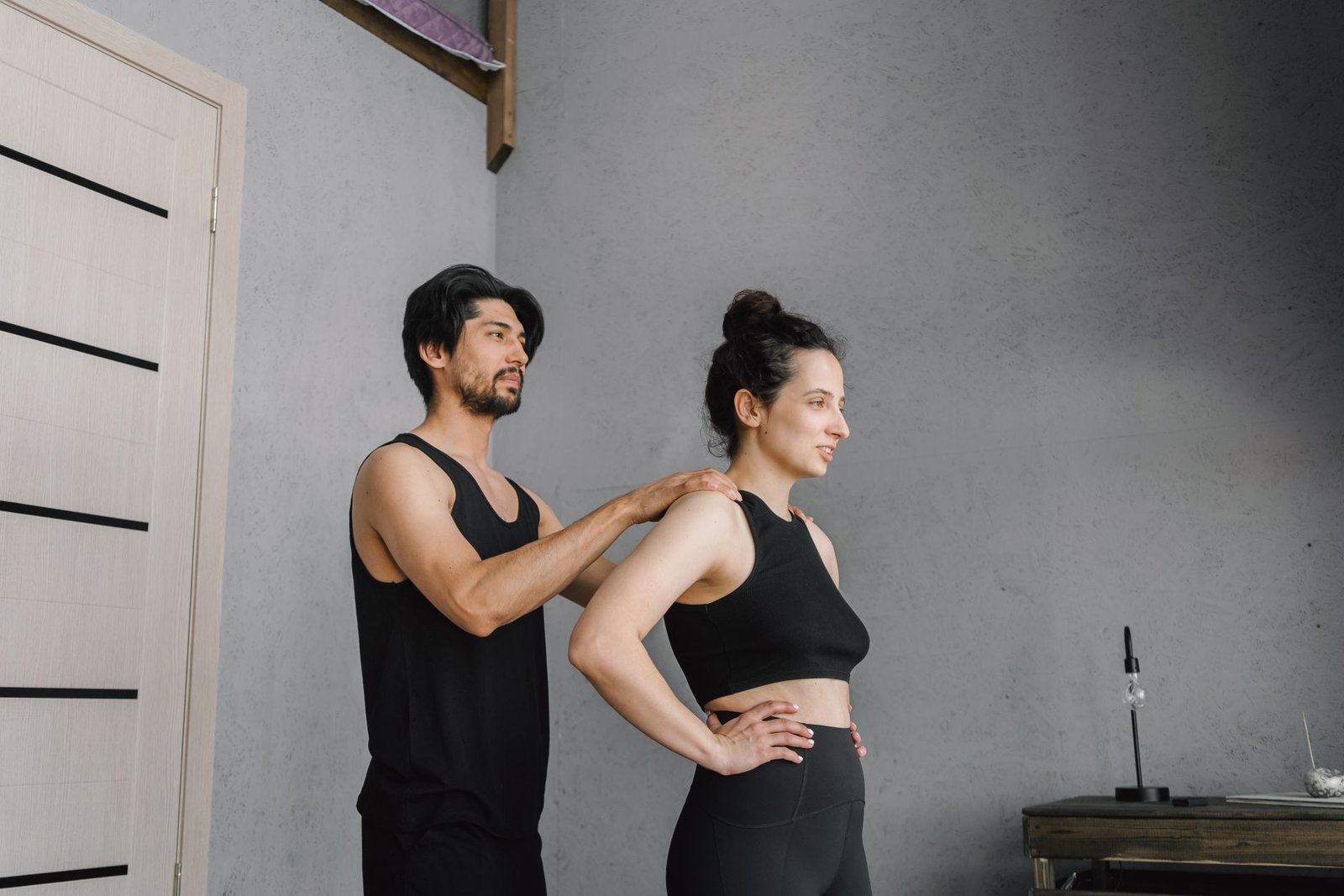
These aren't random movements - each one targets a specific problem area that sitting creates. You can do all five in under five minutes, right at your desk, without changing clothes or drawing strange looks from coworkers.
1. Seated Spinal Twist
Sit up straight in your chair with both feet flat on the floor. Place your right hand on the back of your chair and your left hand on your right knee. Gently twist your torso to the right, using your hands for light leverage, not force. Hold for 20-30 seconds while breathing normally. Your spine gets locked into one position all day; this twist mobilizes those vertebrae and releases tension in your mid and lower back. Repeat on the other side. You should feel a gentle stretch through your back and obliques, never sharp pain.
2. Neck Rolls and Tilts
Drop your right ear toward your right shoulder without lifting the shoulder up to meet it. Hold for 15-20 seconds. Repeat on the left side. Then slowly roll your head in a half-circle from shoulder to shoulder across the front, avoiding rolling backward which can compress the neck. Your neck carries the weight of your head all day while you crane forward at screens, and this simple movement releases the trapezius muscles that get rock-hard from that constant strain. Many people report immediate relief from tension headaches with this stretch alone.
🧐 Did You Know? Your body actually compresses when you sit for long periods - the discs in your spine lose fluid and you can be up to an inch shorter at the end of the day compared to when you woke up. Standing and stretching helps those discs rehydrate and decompress.
3. Seated Hip Flexor Stretch
Scoot to the edge of your chair. Extend your right leg behind you, planting the ball of your foot on the ground. Keep your left foot flat in front of you with knee bent at 90 degrees. Gently press your hips forward until you feel a stretch in the front of your right hip and thigh. Hold for 20-30 seconds, then switch legs. This directly counteracts the hip flexor shortening that happens when your hips are constantly bent at a sitting angle. Tight hip flexors pull on your lower back and contribute to that chronic lower back pain so many office workers experience.
4. Shoulder Blade Squeeze
Sit or stand with arms at your sides. Pull your shoulder blades together and down, as if you're trying to hold a pencil between them. Hold the squeeze for 5-10 seconds, then release. Repeat 10 times. This activates the rhomboid muscles in your upper back that get overstretched and weak when you round forward over a keyboard all day. It also counteracts the shoulder-creep that happens unconsciously when you're stressed or concentrating. You're essentially reminding your body what good posture feels like.
5. Ankle and Wrist Circles
Extend your right leg and rotate your ankle in slow circles, 10 times in each direction. Repeat with the left ankle. Then extend both arms and rotate your wrists in circles, 10 times in each direction. Blood pools in your extremities when you sit still for hours. Your ankles and wrists also lock into fixed positions - feet flat on the floor, wrists bent at keyboards and mice. These simple rotations promote circulation and prevent the stiffness that makes you hobble when you finally stand up after a long sitting session.
Building a Sustainable Stretching Routine
Knowing the stretches is one thing. Actually doing them consistently is another. The key is building them into your existing workflow rather than treating them as an extra task. Set a recurring timer on your phone or computer for every hour. When it goes off, do one or two of these stretches. You don't need to do all five every time - rotate through them, or focus on whichever area feels tightest that particular day.
Another approach: attach stretching to activities you already do regularly. Every time you finish a report, do the spinal twist. Every time you end a video call, do the neck stretch. After each bathroom break, do the hip flexor stretch before sitting back down. This habit-stacking method works better than relying on willpower or memory alone.
Some people find that stretching while waiting - for a file to download, for a webpage to load, for a meeting to start - makes it feel less like taking time away from work. The truth is, these brief movement breaks actually improve your productivity. When you sit still for too long, your focus deteriorates, your energy crashes, and you end up staring blankly at your screen accomplishing nothing anyway. A two-minute stretch break resets your concentration and often helps you work more efficiently when you return to your task.
Conclusion
You can't eliminate sitting from a desk job, but you can absolutely minimize the damage. These five stretches target the exact problem areas that prolonged sitting creates: your compressed spine, your tight hip flexors, your forward-rounded shoulders, your stiff neck, and your sluggish circulation. The magic isn't in any single stretch - it's in the consistency of doing them throughout your day, every day. Start small if you need to. Even stretching once per hour is infinitely better than not stretching at all. Your body adapts to what you do regularly, for better or worse. Right now, it's adapting to sitting. Give it something else to adapt to. A few minutes of intentional movement scattered through your workday can mean the difference between leaving the office energized or leaving it stiff, sore, and exhausted. Your future self - the one who still moves easily and sleeps without back pain - will thank you.
FAQs
How often should I really stretch during the workday?
The National Institutes of Health recommends stretching for 1-2 minutes every 20-30 minutes of work time. If that feels unrealistic with your schedule, aim for at least once per hour. Even three or four stretch breaks during an eight-hour workday will make a noticeable difference in how you feel by evening. Consistency matters more than duration - brief stretches done regularly beat one long stretching session at the end of the day.
Can desk stretches actually prevent serious health problems or just ease discomfort?
Both. Stretching immediately addresses muscle stiffness, improves circulation, and reduces physical discomfort. Over time, regular movement breaks can help counteract some of the serious health risks associated with prolonged sitting, including increased risk of heart disease and diabetes. Stretching alone isn't a complete solution - you still need regular exercise outside of work - but it's a meaningful piece of the puzzle for long-term health.
What if I feel self-conscious stretching at my desk in an open office?
Most of these stretches are subtle enough that they don't draw much attention. The neck stretch, wrist circles, and shoulder blade squeeze look like normal fidgeting or adjusting your posture. If you're still uncomfortable, use natural break points: stretch during bathroom breaks, in an empty conference room, or while waiting for the coffee to brew. You can also suggest walking meetings, which accomplish the same goal of breaking up sitting time.
Should I feel pain during these stretches?
No. You should feel gentle tension or a pulling sensation in the muscle being stretched, but never sharp pain. If something hurts, you're either pushing too hard or you may have an underlying issue that needs attention. Back off the intensity and focus on gentle, controlled movements. Stretching should feel relieving, not punishing. If you consistently experience pain with basic stretches, consult a healthcare provider or physical therapist.
Is it better to stretch before sitting down or after being seated for a while?
Both have value, but stretching after you've been sitting for 30-60 minutes is more critical. That's when your muscles have already started tightening and your circulation has slowed. Think of it as interrupting the damage before it accumulates. A quick stretch session when you first arrive at work can feel good and set a positive tone, but the real protective benefit comes from breaking up long periods of stillness throughout the day.