
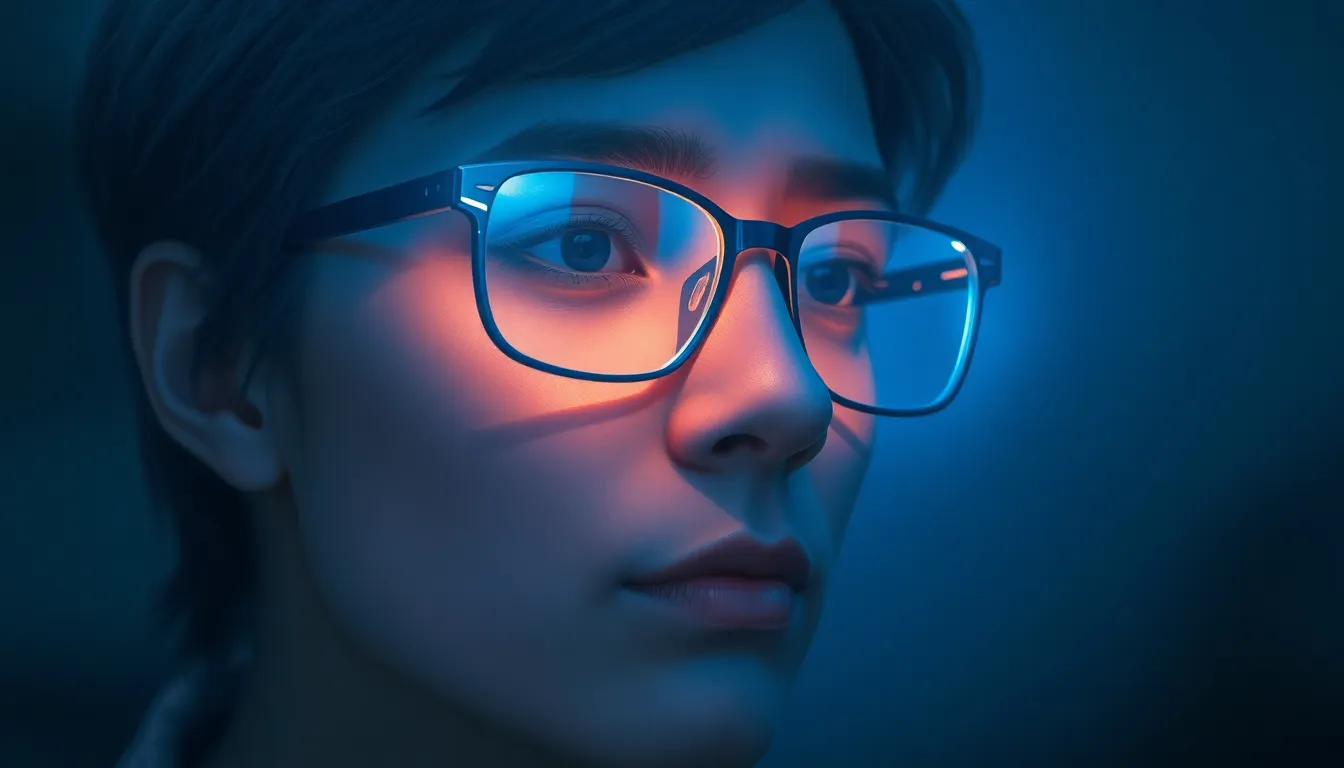
Blue Light Glasses: Do They Actually Work?
You’re sitting at your desk, staring at your laptop screen for hours. Your eyes feel dry, your vision blurs slightly, and you wonder if your symptoms are normal. You’ve heard about blue light glasses, but do they really help? With screens dominating our lives, this question matters more than ever.
Blue light glasses have become a popular fix for digital eye strain, but debates swirl: are they a practical solution or a pricey gimmick? The short answer is: it depends. For some, they provide relief; for others, the science doesn’t add up. Let’s break down the facts, myths, and real-world takeaway. According to blue light research, this is a key consideration.
What Is Blue Light, And Why Should We Care?
Blue light isn’t inherently bad—it’s a tiny sliver of the visible light spectrum, emitted by screens, LED lights, and even sunlight. Historically, our bodies were tuned to sunlight’s natural blue light to regulate our circadian rhythms, keeping us awake during the day and asleep at night. But modern devices flood us with unnatural, intense doses, especially at night. This disrupts melatonin production, the hormone that signals sleep. The National Eye Institute offers additional guidance on this topic.
Our eyes lack the built-in protection to filter blue light, leaving us vulnerable to strain, headaches, and long-term retinal damage risks. Symptoms of overexposure? Eye fatigue, trouble focusing, and disrupted sleep—that’s where blue light glasses enter the chat.
How Blue Light Glasses Claim To Help
Most blue light glasses claim two primary benefits: blocking harmful light to reduce eye strain and improving sleep by limiting nighttime exposure. Brands often highlight anti-reflective coatings or special lens tints to “filter” light. Some even promise sharper focus during long computer sessions. Many people find blue light glasses helpful for this.
But let’s be honest—these claims sound too good. After all, if they worked instantly, why don’t we just wear tinfoil hats? The marketing’s catchy, but the evidence behind it requires closer scrutiny.
🧐
Did You Know? Exposure to blue light before bed can suppress melatonin by up to 30%, delaying sleep onset by an hour or more. Even 2 hours of screen time can disrupt your clock.
The Not-So-Clear Science Behind Blue Light Glasses
Here’s the kicker: scientific consensus on blue light glasses is… mixed. Some studies suggest they reduce eye strain and improve sleep quality, while others find minimal impact. Why the divide? You can also check out affordable lens options for more options.
For starters, blue light filters vary wildly. Cheaper glasses might block just 10-20% of light, while premium ones claim 50-70%. The placebo effect likely plays a role—if you believe they work, they might. But hard data? Not so straightforward.
Recent research from 2021 found that blue light-filtering lenses had negligible effects on cortisol levels or sleep duration in controlled tests. Still, subjective reports from users—like feeling less fatigued during remote work—suggest they might help.”
Real People, Real Results: The Subjective Angle
Let’s cut to the chase: many wearers swear by blue light glasses. Freelancers, students, and office workers report less squinting, fewer headaches, and even better focus. It’s hard to dismiss testimonials when you’ve experienced that afternoon eye ache yourself.
That said, results aren’t universal. One person might love them for their sleep benefits; another finds them no better than regular lenses. The key takeaway? It comes down to individual sensitivity and consistent use.
Conclusion
So, do blue light glasses work? The answer isn’t black and white. They aren’t a magic fix for digital eye strain or a substitute for good sleep hygiene, but they *might* subtly ease symptoms for some. If you struggle with screen-related discomfort, give them a try—especially if you notice headaches or trouble winding down at night.
But don’t rely on them alone. Cutting screen time before bed, adjusting device settings, and taking regular breaks (like the 20-20-20 rule) can help too. Blue light glasses are just one tool in a bigger picture—and like any tool, their value depends on how you use them.
Do Blue Light Glasses Really Block Blue Light?
Technically, yes—but not entirely. Most filter 10-70% depending on quality. Cheaper designs may block minimal light, so investing in reputable brands matters if you take them seriously.
Will They Improve My Sleep Quality?
Mixed results. Some users report better sleep, especially if worn 2-3 hours before bed. However, research on this isn’t conclusive—combining glasses with reduced screen time works better.
Are They Safe For Kids?
Generally yes, but experts recommend against overuse. Children’s eyes are more sensitive to light, so natural light exposure is still important. Use glasses sparingly, especially for homework or gaming.
Can I Use Phone Settings Instead?
Absolutely. Many devices have night modes or blue light filters. Pair these with glasses for a layered approach. More tech tweaks = better results.
Are Reflections A Problem With These Glasses?
Some users experience glare, especially under fluorescent lights. Anti-reflective coatings help, but testing lenses in person is wise before buying.