

The world's population is racing toward 10 billion by 2050, and traditional agriculture is struggling to keep pace. Climate change, shrinking arable land, and water scarcity are creating a perfect storm that threatens our ability to feed everyone. Enter vertical farming - a revolutionary approach that grows crops in stacked layers inside controlled environments, often in urban areas where fresh produce is scarce. This isn't science fiction anymore. Companies across the globe are already producing millions of pounds of leafy greens, herbs, and even strawberries without soil, using 95% less water than conventional farms. Could this technology be the answer to global food security, or is it just an expensive experiment for wealthy nations?
What Makes Vertical Farming Different
Traditional farming spreads horizontally across vast landscapes, but vertical farming builds upward, stacking growing trays in warehouses, shipping containers, or purpose-built facilities. Think of it as agriculture meets architecture. These farms use hydroponics, aeroponics, or aquaponics to deliver nutrients directly to plant roots without soil. LED lights tuned to specific wavelengths replace sunlight, and sensors monitor everything from pH levels to air quality in real time.
The environmental advantages are striking. Vertical farms use 70-95% less water than traditional agriculture because they recycle it in closed-loop systems. There's no runoff carrying pesticides into rivers, and no need for herbicides when you control every variable. You can grow crops year-round regardless of weather, which means no more crop failures from droughts or floods. A single acre of vertical farm can produce the equivalent of 10-20 acres of traditional farmland, depending on the crop.
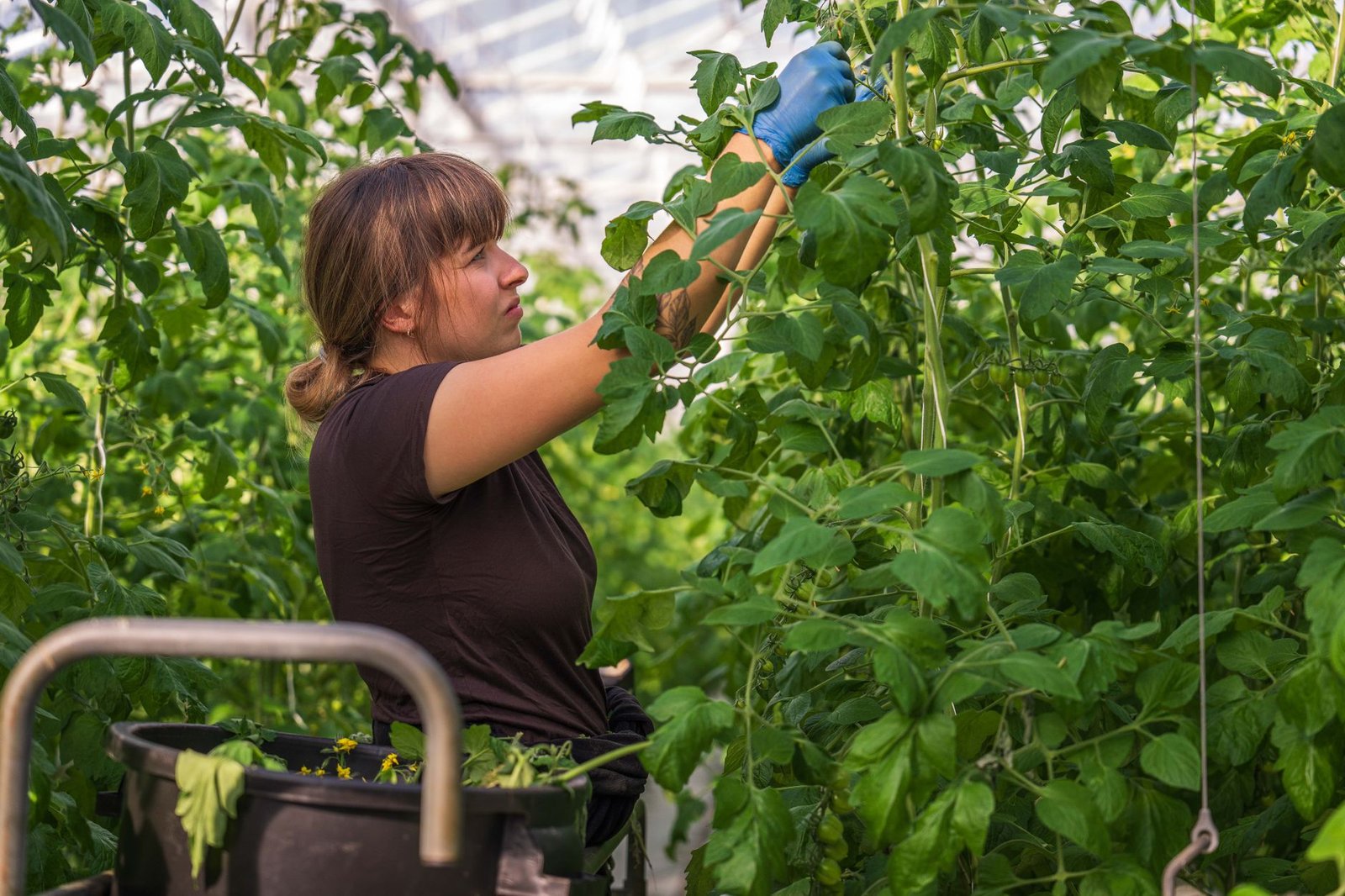
Location flexibility changes the entire food distribution equation. Why ship lettuce 2,000 miles when you can grow it in a warehouse downtown? Fresher produce means better nutrition and less waste - roughly 40% of produce in the US spoils before reaching consumers, largely due to long supply chains. Vertical farms near cities cut that journey from weeks to hours.
The Economics and Current Limitations
Let's talk about the elephant in the room - vertical farming is expensive. The initial setup costs run into millions of dollars for commercial operations. Energy bills are substantial because those LED lights run 12-16 hours daily. While prices have dropped significantly since 2020, vertical farming still works best for high-value crops like leafy greens, herbs, and microgreens that command premium prices.
You won't see wheat or corn grown vertically anytime soon. The economics don't work for low-margin staple crops. Current vertical farming technology excels at producing about 5% of what we eat - the fresh greens and herbs that spoil quickly and traditionally require long-distance shipping. That's useful but nowhere near solving global hunger on its own.
Labor costs present another challenge. These facilities need skilled workers who understand both agriculture and technology. You're not just farming - you're managing complex systems with computerized climate control, automated harvesting equipment, and data analytics platforms. The good news? Job opportunities in vertical farming are growing, especially in urban areas where agricultural jobs traditionally didn't exist.
🧐 Did You Know? Singapore, which imports 90% of its food, has set a goal to produce 30% of its nutritional needs locally by 2030 using vertical farming and other urban agriculture technologies. The island nation now has over 14 commercial vertical farms operating, with more under construction.
Real-World Impact and Success Stories
AeroFarms in New Jersey operates one of the world's largest vertical farms, growing over 2 million pounds of greens annually in a 69,000-square-foot facility that once housed a steel mill. They've perfected their aeroponic system to the point where their leafy greens reach maturity in 12-16 days compared to 30-45 days in traditional farms. Their products now appear in hundreds of grocery stores across the northeastern United States.
In the Middle East, where water scarcity poses existential threats, vertical farming is gaining serious traction. The UAE has invested heavily in this technology, with multiple facilities producing fresh vegetables in a region where outdoor farming is nearly impossible. These farms operate in climate-controlled environments while outdoor temperatures soar past 120 degrees Fahrenheit.
Japan embraced vertical farming after the 2011 Fukushima disaster contaminated agricultural land. Companies like Spread Co. have built massive facilities producing tens of thousands of lettuce heads daily. The Japanese market particularly values the pesticide-free, consistent quality that vertical farms deliver.
Even restaurants are getting in on the action. High-end establishments in cities like London, New York, and Tokyo are installing small vertical farms on-site, growing herbs and microgreens just feet from the kitchen. Chefs love the ultra-fresh ingredients, and diners appreciate knowing exactly where their food comes from.
The Path Forward for Food Security
Vertical farming won't replace traditional agriculture - it will complement it. The most promising future combines both approaches: traditional farms growing staple crops and vertical farms producing fresh, perishable items near consumption centers. This hybrid model addresses food security from multiple angles.
Technology improvements are making vertical farming more viable each year. LED efficiency has doubled since 2015 while costs have dropped by 90%. Artificial intelligence now optimizes growing conditions automatically, adjusting light, nutrients, and temperature based on continuous data analysis. These advances steadily improve the economics.
The real breakthrough might come in expanding crop varieties. Researchers are working on vertically farming tomatoes, peppers, strawberries, and even root vegetables. As techniques improve and energy costs decrease through renewable sources, the range of economically viable crops will grow. Some experimental farms are already producing small quantities of grains in controlled environments, though commercial viability remains years away.
Policy support matters too. Governments in Singapore, the Netherlands, and several US states offer incentives for vertical farming development. These include grants, tax breaks, and streamlined permits. As more policymakers recognize vertical farming's potential for urban food security and job creation, regulatory environments are becoming friendlier.
Conclusion
Vertical farming represents a genuine shift in how we think about food production, even if it's not the complete solution some early advocates promised. The technology works brilliantly for specific crops and situations - urban areas, water-scarce regions, and places with limited arable land. It won't feed the world by itself, but it doesn't need to. As part of a diverse agricultural portfolio that includes traditional farming, regenerative practices, and other innovations, vertical farming can meaningfully contribute to food security.
The next decade will be critical. If energy costs continue declining and crop varieties expand, vertical farming could become economically viable in many more contexts. If not, it might remain a niche solution for wealthy nations and specific crops. Either way, the technology has already proven valuable enough that it's here to stay. The question isn't whether vertical farming has a future - it's how big that future becomes and how quickly it helps address the very real food security challenges ahead.
FAQs
How much does vertical farming cost compared to traditional farming?
Initial setup costs for commercial vertical farms range from 10 to 100 times higher than traditional farms per unit of production, mainly due to building construction, LED lighting systems, and climate control equipment. However, operating costs per pound of produce are becoming competitive for high-value crops like leafy greens and herbs, especially when factoring in reduced water use, no pesticides, and proximity to markets. Energy costs remain the biggest ongoing expense, typically accounting for 30-40% of operational expenses.
What crops work best in vertical farms?
Leafy greens like lettuce, spinach, kale, and arugula perform exceptionally well in vertical farms, along with herbs such as basil, cilantro, and mint. Microgreens are highly profitable due to their quick growth cycles and premium prices. Strawberries and certain tomato varieties are showing promise as technology improves. Crops that currently don't work economically include grains, root vegetables like potatoes, and anything requiring extensive space or pollination. The general rule is: if it grows quickly, sells at premium prices, and doesn't need much vertical space, it's a candidate for vertical farming.
Is vertical farming environmentally friendly?
Vertical farming has mixed environmental impacts. The positives include 70-95% less water use, zero pesticide runoff, no soil degradation, and reduced transportation emissions when located near cities. However, energy consumption is significant - those LED lights and climate control systems require substantial electricity. The environmental benefit depends heavily on the energy source: vertical farms powered by renewable energy have excellent environmental profiles, while those using coal-generated electricity may have carbon footprints comparable to or worse than traditional farming. Most modern facilities are increasingly switching to solar, wind, or other renewable sources to address this concern.