
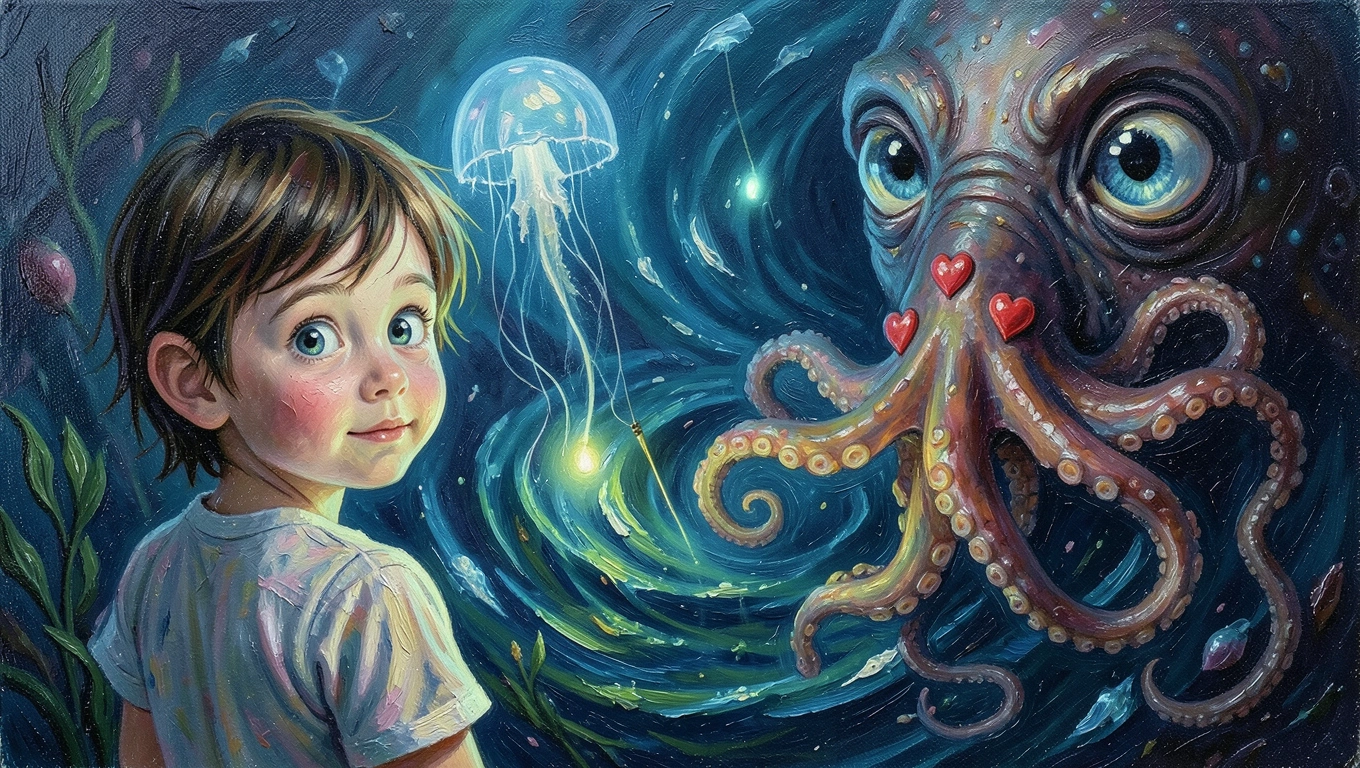
The ocean covers more than 70% of our planet, and beneath its surface lives an incredible world of creatures that seem almost magical. From fish that glow in the dark to animals with multiple hearts, the sea is home to some of nature's most fascinating adaptations. Sharing these facts with kids doesn't just spark their curiosity - it helps them understand how diverse and remarkable life on Earth really is. Whether you're planning a beach trip, reading bedtime stories, or just looking for conversation starters at dinner, these ocean facts will captivate young minds and might even surprise you too.
Creatures That Light Up the Deep
Down where sunlight never reaches, some sea creatures have developed their own lighting systems. The anglerfish is one of the most striking examples - it carries what looks like a fishing rod dangling in front of its mouth, complete with a glowing tip. This bioluminescent lure isn't just for show. The anglerfish uses it to attract smaller fish in the pitch-black depths, drawing prey close enough to snap up in an instant.
What makes this glow? Bacteria living inside the lure produce the light through a chemical reaction. The anglerfish and the bacteria help each other out - the bacteria get a safe home, and the fish gets a built-in hunting tool. Kids love imagining what it would be like to have your own flashlight growing out of your head, but the anglerfish has been doing exactly that for millions of years.
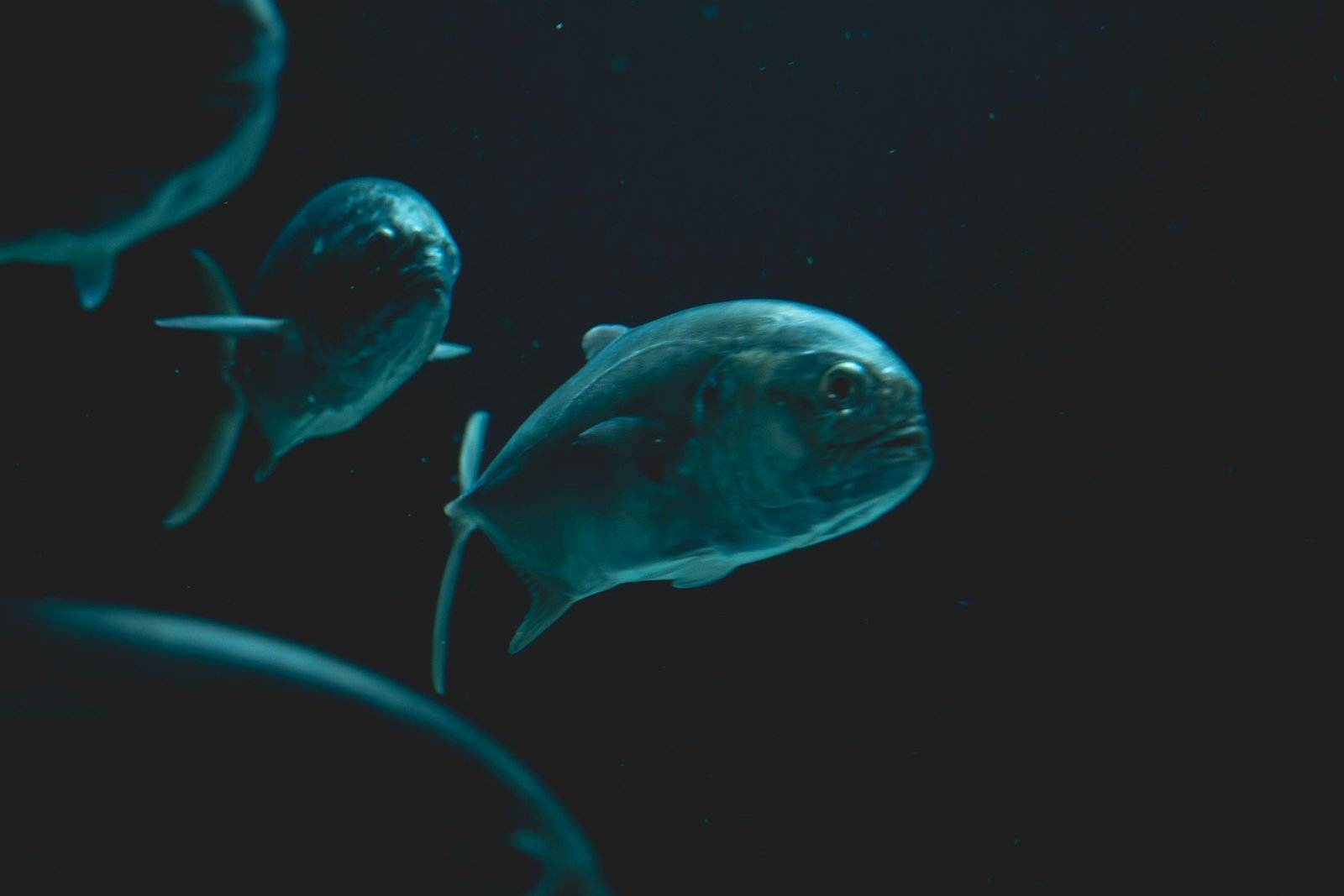
Many other deep-sea animals produce light too. Some jellyfish pulse with blue or green glows when disturbed. Certain squid can flash patterns across their bodies to communicate or confuse predators. In an environment where you can't see more than a few inches ahead, the ability to create your own light becomes a powerful survival tool. Next time your child asks why some animals glow, you can explain that in the ocean's darkest places, making light is just as important as having eyes to see it.
The Jellyfish That Might Live Forever
Imagine if you could restart your life whenever you wanted, going back to being a baby and growing up all over again. Some jellyfish species can do something remarkably similar. When faced with stress, injury, or old age, these jellyfish can transform their bodies back to their earliest life stage - the polyp - and essentially begin life again.
This process, observed in species like Turritopsis dohrnii, makes them biologically immortal. That doesn't mean they can't die - predators, disease, and accidents still pose threats - but they don't appear to have a natural lifespan limit the way most animals do. Scientists study these creatures to understand cellular aging and regeneration, hoping the discoveries might one day help with human health challenges.
🧐 Did You Know? Sea otters hold hands while sleeping to avoid drifting apart in the water, keeping their family groups together even as ocean currents flow around them.
For kids, the idea of a creature that can reverse its own aging is like something from a science fiction story. You can explain that while we can't do this ourselves, nature has found ways to solve problems we're still trying to figure out. It's a perfect example of how the ocean still holds mysteries that challenge what we think we know about life itself.
Octopuses and Their Three-Heart System
Octopuses are already strange and wonderful animals - they can change color in seconds, squeeze through tiny spaces, and use tools to solve problems. But one of their most surprising features is hidden inside: they have three hearts. Two of these hearts pump blood to the gills, where it picks up oxygen from the water. The third heart pumps that oxygen-rich blood to the rest of the body.
This system works well for the octopus lifestyle. Their blood contains copper-based hemocyanin instead of the iron-based hemoglobin that makes our blood red, which turns their blood blue and helps it carry oxygen in cold, low-oxygen ocean environments. When an octopus swims, the heart that delivers blood to the body actually stops beating, which is why these animals prefer to crawl along the ocean floor rather than swim long distances. According to NOAA Fisheries, octopuses exhibit remarkable intelligence and adaptability in their ocean habitats.
Kids often wonder whether having three hearts means octopuses are three times as strong or live three times as long. The answer is more interesting than that - their hearts evolved to solve specific challenges of living underwater and moving in ways we don't. It's nature's way of designing the right tool for the job, even if that tool seems bizarre to us land-dwellers.
Eyes Bigger Than Your Head
The colossal squid holds the record for the largest eyes in the entire animal kingdom. Each eye can measure up to 27 centimeters - about 11 inches - in diameter. That's roughly the size of a soccer ball. These massive eyes help the squid detect shapes and movement in the deep ocean where almost no light penetrates.
Why would an animal need eyes that big? In the deep sea, every bit of light matters. Larger eyes can collect more of the faint light that filters down from above or catch the bioluminescent flashes of other creatures. For a predator hunting in near-total darkness, or for prey trying to avoid becoming dinner, having huge eyes provides a real survival advantage. The colossal squid uses its vision to hunt fish and other squid in the cold waters around Antarctica.
When you tell kids about these enormous eyes, they usually want to compare them to their own. A human eye is typically less than an inch across, so the colossal squid's eyes are more than ten times wider than ours. It's a vivid reminder that life in extreme environments requires extreme adaptations, and the deep ocean is about as extreme as environments get on our planet.
Conclusion
The ocean creatures we've explored here - from fish with built-in lanterns to jellyfish that can reverse their aging - show us that Earth's seas are full of surprises. These aren't just random fun facts; they're windows into how evolution solves problems in creative ways. When kids learn about octopuses with three hearts or squid with eyes the size of dinner plates, they're not just memorizing trivia. They're discovering that the natural world is more inventive and varied than any story we could make up. The next time you're near the water with children, remember these facts. Point to the waves and remind them that underneath that surface, creatures are glowing, regenerating, and seeing the world in ways we're only beginning to understand. That sense of wonder is what turns casual curiosity into a lifelong love of learning about our planet.
FAQs
How do anglerfish create their glowing lures?
Anglerfish don't produce the light themselves. They host colonies of bioluminescent bacteria inside a special appendage that dangles in front of their mouths. The bacteria generate light through chemical reactions, and in return, they get a protected environment to live in. This partnership between fish and bacteria has evolved over millions of years in the deep sea.
Can jellyfish really live forever?
Some jellyfish species are biologically immortal, meaning they can reverse their aging process and return to an earlier life stage. However, they can still die from disease, predators, or environmental changes. Their immortality is biological, not practical - they don't survive indefinitely in the wild, but they don't have a programmed maximum lifespan like most animals do.
Why do octopuses need three hearts?
Octopuses have two hearts that pump blood to their gills for oxygenation and one heart that pumps oxygenated blood to the rest of their body. This system evolved because their copper-based blood is less efficient at carrying oxygen than our iron-based blood, so they need extra pumping power to keep their active bodies supplied with oxygen in cold ocean water.
What do colossal squid use their giant eyes for?
Colossal squid use their enormous eyes to see in the deep ocean where almost no light exists. The larger the eye, the more light it can collect, helping the squid detect prey, avoid predators, and navigate in an environment that would be completely dark to human eyes. Their eyes are adapted specifically for life in the deep sea around Antarctica.
Are sea otters the only animals that hold hands?
Sea otters are famous for holding hands while they sleep, but they're not the only social animals that maintain physical contact. Many primate species hold hands or groom each other, and some bird species huddle together. What makes otters special is that they do this while floating in open water, using their linked paws to prevent their group from drifting apart in ocean currents while they rest.