

Starting an online store used to mean investing thousands in inventory, warehouse space, and hoping your products would sell before you ran out of cash. But what if I told you that model is completely outdated? In 2026, entrepreneurs are building profitable e-commerce businesses without touching a single product or spending a dime on inventory upfront. The secret lies in business models like dropshipping, print-on-demand, and digital products that let you test markets, scale quickly, and minimize financial risk. Whether you're looking for a side hustle or planning to replace your day job, launching an online store with zero inventory is more accessible than ever.
Understanding Zero-Inventory Business Models
Before you jump in, you need to understand the main business models that make zero-inventory stores possible. Each has its own advantages, and choosing the right one depends on your interests, skills, and target market.
Dropshipping is probably the most popular option. You list products in your online store, and when someone buys, you forward the order to a supplier who ships directly to your customer. You never see or handle the product. Companies like Oberlo and Spocket connect you with suppliers, while platforms like Shopify make setting up your store straightforward. The margins can be tight - typically 15-45% - but you can start testing products within days.
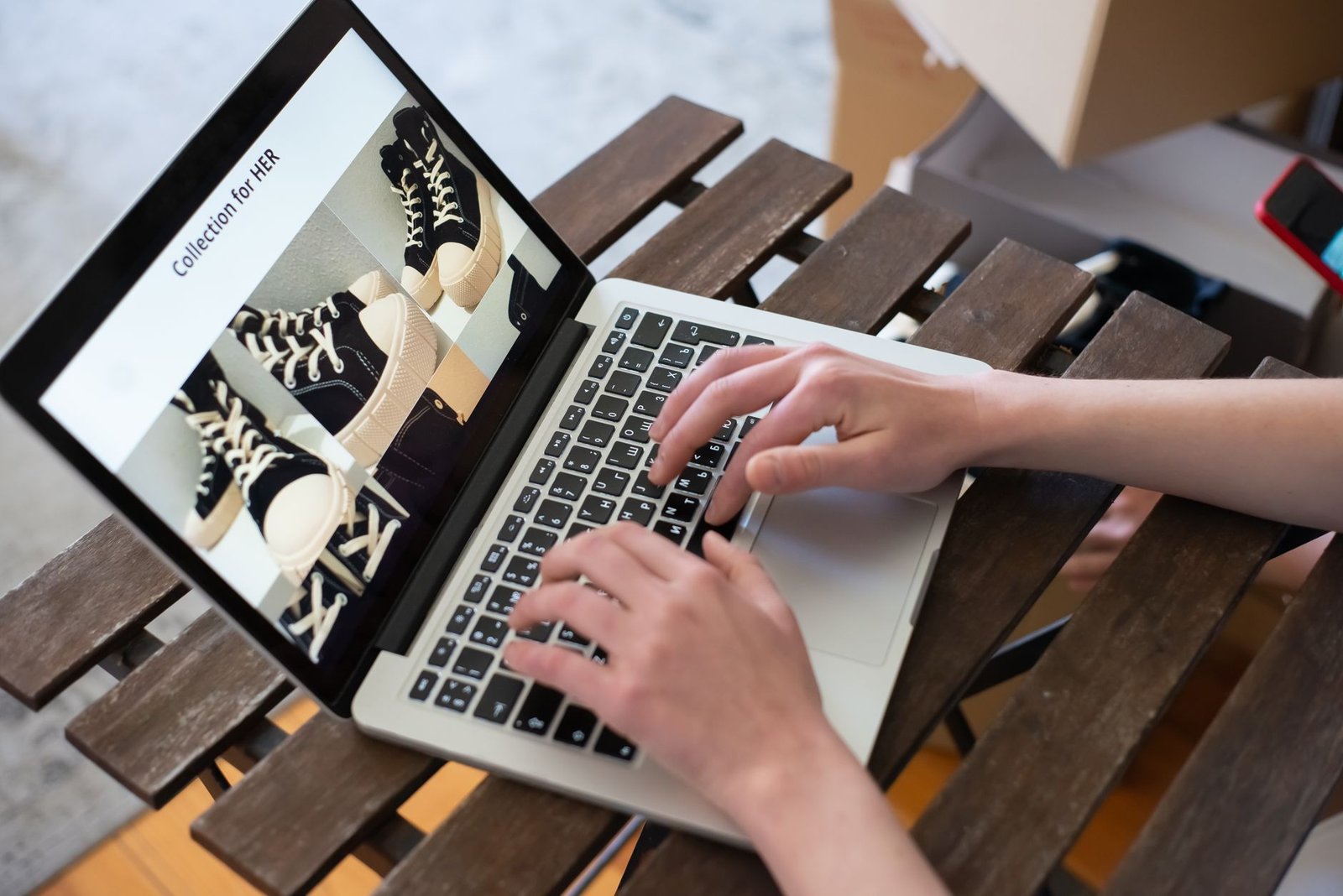
Print-on-demand takes a similar approach but focuses on custom products. You create designs for t-shirts, mugs, phone cases, or wall art, and services like Printful or Printify manufacture and ship items only after customers order them. This model works brilliantly if you have design skills or can hire freelancers. The profit margins are better than dropshipping, often 30-60%, because you're adding creative value.
Then there are digital products - perhaps the most profitable zero-inventory model. E-books, online courses, templates, software, photography presets, or music samples require upfront work to create but have near-zero marginal costs. Once you've made them, you can sell infinite copies without manufacturing or shipping. Your profit margins can hit 90% or higher.
Affiliate marketing and curated marketplaces represent another angle. You don't sell products at all - you recommend them and earn commissions when people buy through your links. Amazon Associates, ShareASale, and Impact offer programs across countless niches.
Setting Up Your Store Infrastructure
Once you've chosen your model, you need the technical foundation. The good news is that building an online store in 2026 doesn't require coding knowledge or huge budgets.
Start with your platform. Shopify remains the easiest all-in-one solution, handling everything from hosting to payment processing. Plans start around $29 monthly. WooCommerce on WordPress gives you more control and can be cheaper long-term, but it has a steeper learning curve. For digital products specifically, Gumroad or Teachable simplify the process even further.
Your domain name matters more than you think. Keep it short, memorable, and relevant to your niche. Avoid hyphens or numbers that people might misspell. A .com is still the gold standard, though .shop or .store work fine for e-commerce. Budget about $10-15 annually for domain registration through Namecheap or Google Domains.
Design comes next. You don't need a custom website - quality templates do the job perfectly well. Choose a clean, mobile-responsive theme that loads quickly. Most customers browse on phones, so if your site looks broken or loads slowly on mobile, you've lost the sale. Test it obsessively on different devices.
Payment processing is crucial. Shopify Payments, Stripe, and PayPal are industry standards. You'll pay around 2.9% plus 30 cents per transaction - just factor this into your pricing. Offer multiple payment options, including digital wallets like Apple Pay and Google Pay, which improve conversion rates.
Don't skip the legal basics. You need clear terms of service, a privacy policy, and a refund policy. Termly and other services generate these documents for you. Depending on your location and sales volume, you might need to collect sales tax or VAT - research requirements for your region or consult an accountant.
🧐 Did You Know? The global dropshipping market was valued at over $301 billion in 2024 and is projected to reach nearly $1.25 trillion by 2033, meaning millions of successful stores operate without holding a single item in inventory.
Finding Products and Building Your Catalog
Your product selection makes or breaks your store. You're not just throwing random items online and hoping for sales - you need strategy.
Start with niche research. Broad stores selling everything rarely succeed because you're competing with Amazon and Walmart. Instead, focus on specific audiences with particular interests. Think "ergonomic products for remote workers" rather than "general home goods," or "eco-friendly pet supplies" instead of "pet products." Tools like Google Trends, Reddit communities, and Facebook groups help you identify passionate micro-communities.
For dropshipping, vet your suppliers carefully. Order samples before listing anything. Check shipping times - customers in 2026 expect delivery within a week, not the 30-45 days that killed early dropshipping reputations. AliExpress works but explore alternatives like CJ Dropshipping or US-based suppliers through platforms like Modalyst for faster shipping. Read supplier reviews obsessively.
With print-on-demand, your designs are your products. If you're not a designer, hire one through Fiverr or 99designs. Study what sells on Etsy or Redbubble in your chosen niche. Avoid copyrighted material unless you have licenses - Disney will absolutely sue you. Focus on trending topics, inside jokes from specific communities, or timeless aesthetic designs.
For digital products, solve real problems. What do people in your target audience struggle with? What repetitive task could a template simplify? What knowledge do you have that others would pay to learn? Your first product doesn't need to be comprehensive - a focused solution to one specific problem often sells better than a massive course trying to cover everything.
Pricing requires research and testing. Check competitors but don't just copy them. Factor in all your costs: platform fees, transaction fees, advertising, and your time. For physical products, aim for at least 3x markup over your cost. Digital products have more flexibility - price based on value delivered rather than production costs.
Marketing Your Zero-Inventory Store
Building the store is actually the easy part. Getting people to visit and buy requires ongoing effort and smart marketing.
Organic social media can work, but it takes patience. Choose one or two platforms where your target customers actually spend time. Instagram and TikTok work well for visual products. LinkedIn if you're selling B2B digital products. Pinterest drives serious traffic for home decor, fashion, and lifestyle products. Post consistently - at least 4-5 times weekly - with a mix of product showcases, customer testimonials, behind-the-scenes content, and value-driven posts related to your niche.
Paid advertising accelerates growth but demands careful management. Facebook and Instagram ads offer sophisticated targeting - you can reach people based on interests, behaviors, and demographics. Start with a small daily budget, maybe $10-20, and test different ad creatives and audiences. Google Shopping ads work brilliantly for product-focused searches when people are ready to buy. Track your return on ad spend religiously - if you're spending more to acquire a customer than they're worth, stop and adjust.
Email marketing generates the highest ROI of any channel. Offer a discount or free resource in exchange for email signups. Send regular emails - weekly or bi-weekly - with new products, tips related to your niche, and exclusive offers. Klaviyo and Mailchimp integrate well with e-commerce platforms and automate abandoned cart emails, which recover 5-10% of lost sales on average.
SEO matters for long-term sustainability. Write blog posts answering questions your customers search for. Optimize product descriptions with relevant keywords but write for humans, not robots. Build backlinks by getting featured on blogs, doing podcast interviews, or creating shareable resources other sites want to link to.
Influencer partnerships and affiliate programs extend your reach. Micro-influencers with 5,000-50,000 engaged followers often deliver better results than celebrities. Offer free products or commission-based partnerships. Make it easy for happy customers to become affiliates and earn commissions for referring others.
Conclusion
Starting an online store with zero inventory removes the biggest barrier that kept aspiring entrepreneurs stuck in planning mode for years. You don't need a business loan, you don't need warehouse space, and you don't need to bet your savings on products that might not sell. The models we've discussed let you test ideas quickly, learn from real market feedback, and scale profitably without proportionally increasing your risk. Will it be easy? Honestly, no. You'll face technical challenges, marketing failures, and difficult customers. But the financial downside is minimal compared to traditional retail, and the learning curve makes you a better entrepreneur with each iteration. The stores succeeding in 2026 aren't necessarily run by people with MBAs or huge budgets - they're run by people who started, stayed consistent, and adapted based on what their customers actually wanted. Your first store might not be your most successful, but it will teach you everything you need to know to build one that is.
FAQs
How much money do I actually need to start an online store with no inventory?
You can start with as little as $50-100 for a domain and first month of hosting, though $300-500 gives you more flexibility for a professional setup with Shopify, basic marketing budget, and sample products to test quality. Many successful stores began with under $500 total investment.
Do I need a business license or LLC to start a dropshipping store?
Requirements vary by location and sales volume. You can typically start as a sole proprietor, but forming an LLC offers liability protection and looks more professional to suppliers. Register for a sales tax permit once you reach your state's threshold. Consult a local accountant for specific requirements in your area.
How long does it take to make your first sale with a zero-inventory store?
This varies wildly based on your niche, marketing efforts, and product selection. With paid advertising, you might see sales within days. Relying purely on organic traffic could take weeks or months. Most new store owners make their first sale within 2-4 weeks if they're actively marketing and have competitive products.
What are the biggest mistakes beginners make with dropshipping stores?
The most common mistakes include choosing oversaturated products everyone else sells, using suppliers with terrible shipping times, setting prices too low to sustain advertising costs, giving up after a few weeks without sales, and creating generic stores instead of focusing on specific niches with passionate audiences.
Can you really make a full-time income from a store with no inventory?
Absolutely. Thousands of entrepreneurs earn six or seven figures annually from dropshipping, print-on-demand, and digital product stores. However, it typically requires months of consistent effort, effective marketing, excellent customer service, and continuous optimization. Most successful store owners treat it as a real business, not a passive income scheme, putting in 20-40 hours weekly especially in the early stages.