

Your lower back is speaking, and the message might be more urgent than you think. That persistent ache after a long day at your desk, the sharp twinge when you bend to pick up groceries, or the dull throb that keeps you awake at night – these aren’t just random inconveniences. Lower back pain is the leading cause of disability around the world, and approximately 80% of the population will experience some form of it during their lifetime. Your body uses pain as its primary communication system, and when your lower back starts complaining, it’s trying to tell you something specific about your lifestyle, your habits, or potentially your health. Understanding these signals can mean the difference between a quick fix and years of chronic discomfort.
The Muscle Strain Message: You’re Pushing Too Hard
When your lower back pain feels like a tight, aching sensation that gets worse with certain movements, you’re probably dealing with a muscle strain. This is your body’s way of saying you’ve exceeded your physical limits – maybe you lifted something heavy with poor form, spent hours in the garden after months of inactivity, or simply twisted the wrong way at the wrong time.
Muscle strains in the lower back happen when the fibers that support your spine get overstretched or torn. The pain typically comes on suddenly and feels localized to one area. You might notice it’s worse when you try to stand up straight after sitting, or when you attempt to bend forward. This type of pain usually improves with rest, ice in the first 48 hours, and gentle movement as you heal.
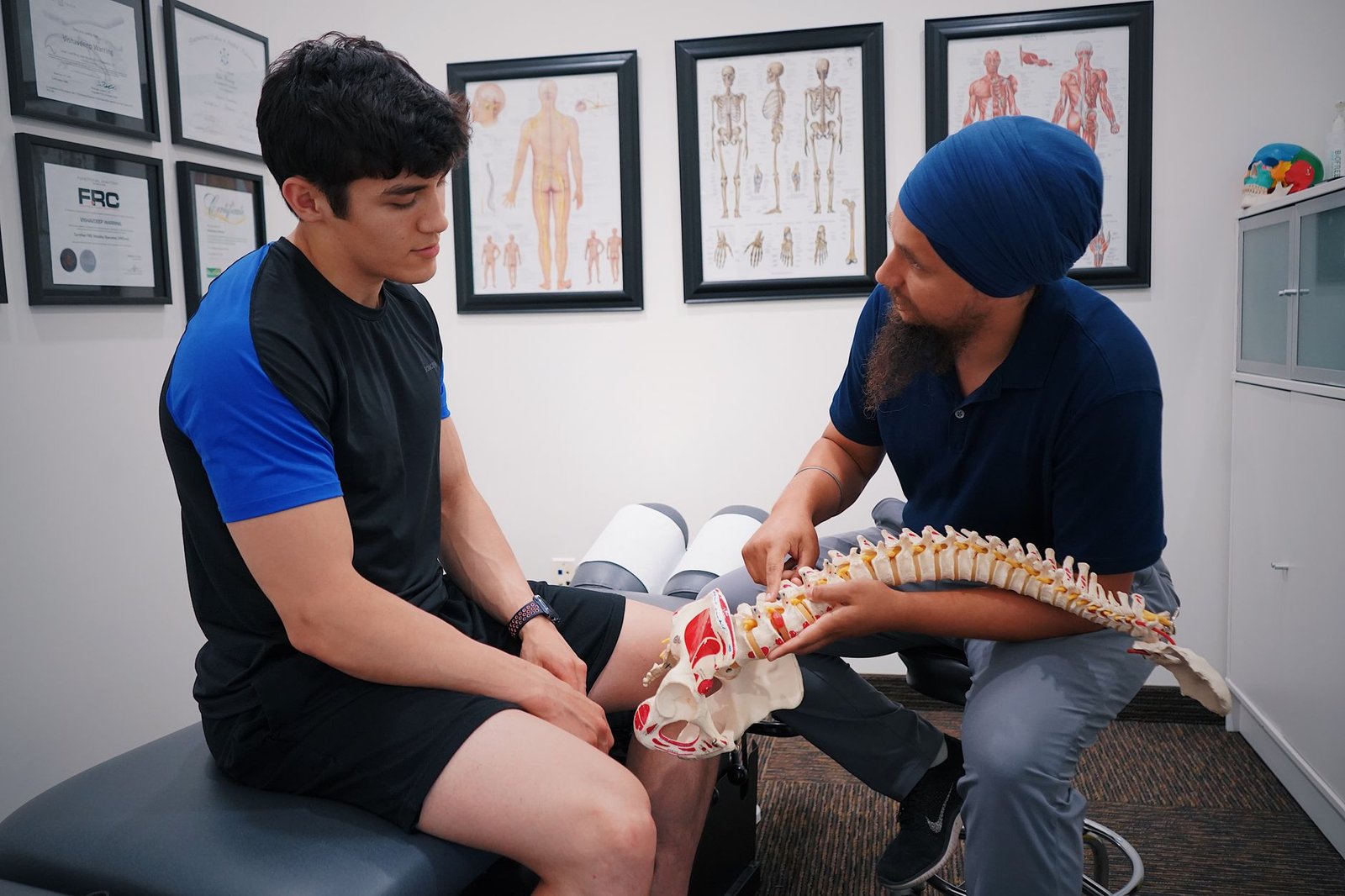
What’s your back really saying? It’s telling you that your core muscles aren’t strong enough to support the demands you’re placing on them, or that you’re not warming up properly before physical activity. It’s a wake-up call to build better strength gradually and to pay attention to your form during everyday movements. Most muscle strains heal within a few weeks, but they’re also your body’s warning system that you need to change your approach to physical activity before something more serious happens.
The Posture Warning: Your Spine Is Under Siege
If your lower back pain builds gradually throughout the day and feels worse after sitting for long periods, your posture is likely the culprit. This is one of the most common messages your back sends in the modern world, where many of us spend hours hunched over computers, slouched on couches, or craning our necks to look at phones.
Poor posture creates constant, uneven pressure on your spinal discs and the muscles surrounding them. When you sit with a rounded back or stand with your pelvis tilted forward, you’re essentially asking your lower back to bear weight it wasn’t designed to carry in that position. Over time, this chronic stress leads to muscle fatigue, joint irritation, and that familiar end-of-day ache that makes you want to lie flat on the floor.
The solution isn’t just about sitting up straight – it’s about creating an environment that supports good posture and taking regular breaks to reset your spine. Your chair height, monitor position, and even the way you sleep all contribute to the message your back is sending. When posture-related pain strikes, your body is telling you that the cumulative effect of poor alignment is starting to cause damage. The good news is that this type of pain often responds well to ergonomic changes and exercises that strengthen your core and back muscles.
🧐 Did You Know? Chronic lower back pain is defined as discomfort that persists for three months or longer, but many people live with it for years before seeking help because they assume it’s just a normal part of aging or their job.
The Nerve Alert: When Pain Travels Down Your Leg
Pain that shoots from your lower back into one or both legs is your nervous system sending an urgent message – you might be dealing with sciatica or another form of nerve compression. This isn’t just muscle soreness. This is your body telling you that something is pressing on or irritating one of the major nerves that run from your lower spine down through your legs.
Sciatica pain often feels different from regular back pain. People describe it as burning, tingling, or electric-shock sensations that follow a path down the buttock and leg, sometimes all the way to the foot. You might also experience numbness, weakness in the leg, or a pins-and-needles feeling. This happens when something – often a herniated disc, bone spur, or tight muscle – puts pressure on the sciatic nerve.
What makes this message particularly important is that nerve-related pain can indicate a more serious underlying issue that won’t resolve on its own. While some cases of sciatica improve with conservative treatment like physical therapy and anti-inflammatory measures, others require more aggressive intervention. If you’re experiencing loss of bowel or bladder control, severe weakness, or pain that’s getting progressively worse, your back is telling you to seek immediate medical attention. These could be signs of a serious condition that needs prompt treatment to prevent permanent nerve damage.
The Arthritis Signal: Your Spine Is Aging
When lower back pain is accompanied by stiffness that’s worst in the morning and gradually improves with movement throughout the day, your back might be telling you about arthritis. This is particularly common as we age, though it can affect younger people too, especially those with a history of back injuries or certain genetic predispositions.
Osteoarthritis in the spine happens when the cartilage that cushions the small facet joints in your back breaks down over time. You might notice that your lower back feels stiff and achy when you first wake up, but loosens up after you’ve been moving around for a while. Cold weather often makes it worse, and you might hear or feel grinding or popping sensations when you move.
This type of back pain is your body’s way of alerting you to degenerative changes in your spine. While you can’t reverse arthritis, you can slow its progression and manage symptoms effectively. Staying active is crucial – movement keeps your joints lubricated and your supporting muscles strong. Low-impact activities like swimming, walking, or cycling can help maintain mobility without aggravating your symptoms. Your back is telling you that it needs consistent, gentle movement and possibly some lifestyle modifications to keep functioning well as you age.
Conclusion: Listen Before It Gets Worse
Your lower back pain isn’t just an annoying symptom to be ignored or masked with pain relievers. It’s a sophisticated communication system alerting you to issues that range from simple muscle fatigue to serious nerve compression. The key is learning to interpret these signals accurately and respond appropriately. A muscle strain might need rest and gradual reconditioning, while nerve pain could require immediate medical evaluation. Posture-related discomfort demands ergonomic changes and core strengthening, while arthritic pain calls for consistent movement and joint protection strategies.
The mistake most people make is waiting until the pain becomes unbearable before taking action. By then, what started as a simple warning has often evolved into a chronic condition that’s much harder to treat. Pay attention to when your pain occurs, what makes it better or worse, and how it feels. These details are the language your back uses to tell you what it needs. Whether that’s better posture support, stronger muscles, medical intervention, or simply a different approach to physical activity, responding early to these messages can save you from years of unnecessary suffering and limitation.
FAQs
How do I know if my lower back pain is serious enough to see a doctor?
See a doctor if your pain lasts more than a few weeks without improvement, is accompanied by fever or unexplained weight loss, causes leg weakness or numbness, or follows a fall or injury. Immediate medical attention is necessary if you experience loss of bladder or bowel control, severe pain that doesn’t improve with rest, or pain that progressively worsens. These can be signs of serious conditions that require prompt treatment.
Can stress and anxiety actually cause real lower back pain?
Yes, psychological stress can manifest as very real physical pain in your lower back. When you’re stressed, your muscles tend to tense up, particularly in your shoulders, neck, and lower back. This chronic tension can lead to muscle fatigue, spasms, and pain. Stress also affects how you perceive pain, potentially making existing back issues feel worse. Managing stress through relaxation techniques, regular exercise, and adequate sleep often helps reduce this type of back pain.
What’s the difference between acute and chronic lower back pain?
Acute lower back pain comes on suddenly, usually from a specific incident like lifting something heavy or making an awkward movement, and typically resolves within a few days to a few weeks. Chronic lower back pain persists for three months or longer and may have developed gradually without a clear cause. Chronic pain often requires a different treatment approach, focusing on long-term management strategies rather than just rest and recovery.
Is it better to rest or stay active when my lower back hurts?
For most types of lower back pain, gentle movement is better than complete rest. While you might need a day or two of reduced activity immediately after an acute injury, prolonged bed rest can actually make back pain worse by weakening your muscles and stiffening your joints. Light activities like walking, gentle stretching, and gradual return to normal movement typically promote faster healing. However, listen to your body and avoid activities that cause sharp or increasing pain.
Why does my lower back hurt more at night or when lying down?
Nighttime back pain can occur for several reasons. Disc-related issues often feel worse when lying down because the discs rehydrate overnight, potentially increasing pressure on nerves. Some conditions like ankylosing spondylitis cause inflammatory pain that worsens with rest. Your sleeping position and mattress quality also play major roles – a mattress that’s too soft or too firm can strain your spine. If your pain is consistently worse at night and disturbs your sleep, it’s worth discussing with a healthcare provider, as this pattern can indicate specific conditions that require targeted treatment.