

Iceland's otherworldly landscapes have captured the imagination of travelers worldwide, but the country's reputation for sky-high prices often keeps budget-conscious adventurers at bay. The good news? Visiting this volcanic island nation doesn't have to drain your savings. With smart planning, strategic timing, and a willingness to embrace local ways of experiencing the country, you can explore Iceland's glaciers, hot springs, and dramatic coastlines without breaking the bank. The key lies in understanding where to cut costs without sacrificing the magic that makes Iceland unforgettable.
Time Your Visit for Maximum Savings
When you fly to Iceland matters more than you might think. The shoulder seasons from April to May and September to October offer the sweet spot between weather and affordability. During these months, you'll find significantly lower prices on accommodation, car rentals, and tour packages compared to the peak summer rush of June through August.
Spring brings longer days and the first hints of green returning to the landscape, while autumn offers dramatic lighting for photography and a real chance of catching the Northern Lights. Yes, you might encounter more unpredictable weather, but Icelanders have a saying: if you don't like the weather, wait five minutes. Pack layers and waterproof gear regardless of when you visit.
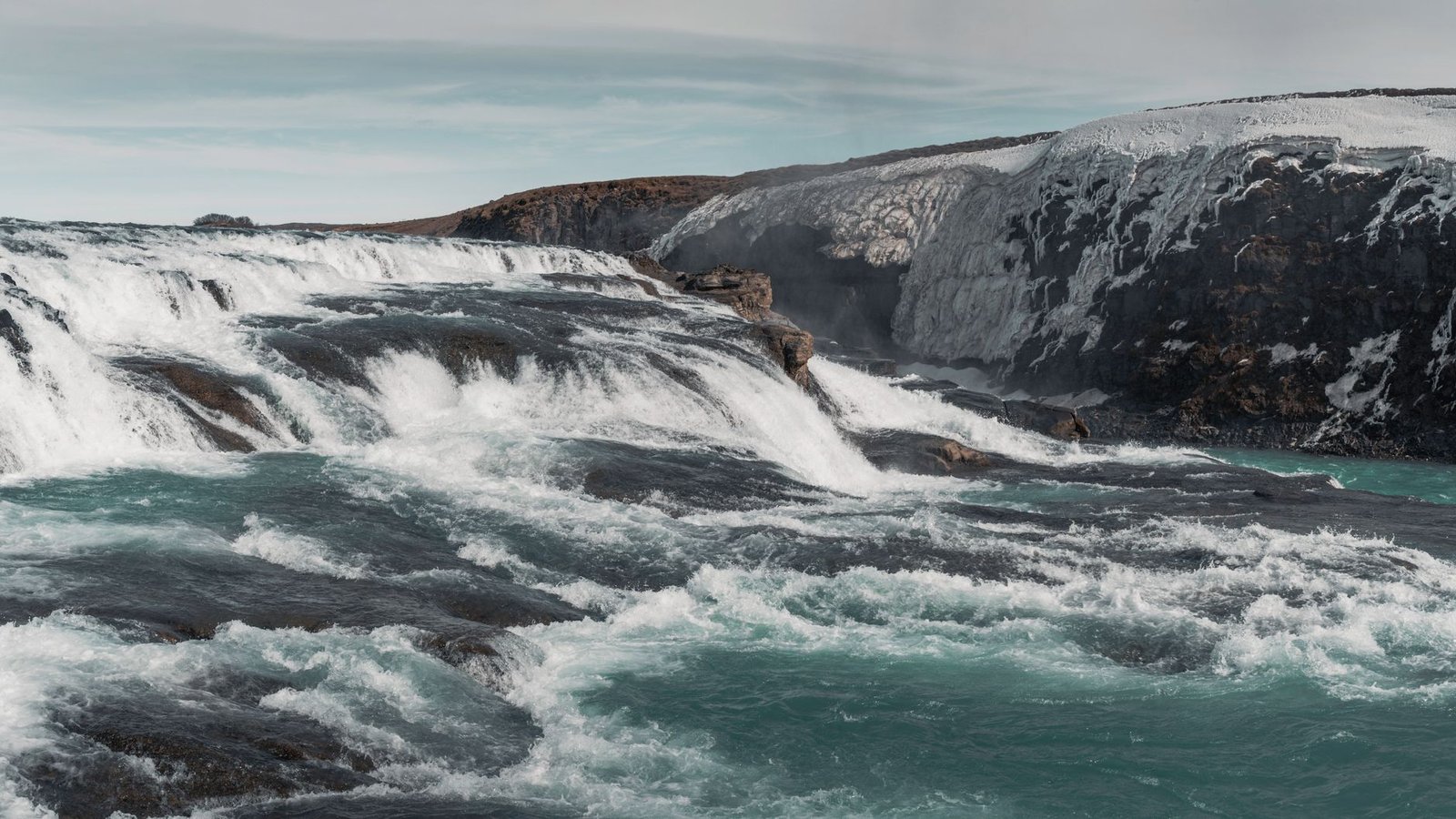
Avoiding the winter months when travel is most expensive means you won't need to compete with cruise ship passengers and peak-season crowds at popular sites. This translates to more authentic experiences, easier access to popular spots, and locals who have more time to share recommendations. The trade-off? Some highland roads remain closed during shoulder seasons, but the main attractions along the Ring Road stay accessible year-round.
Embrace Free Natural Wonders
Iceland's greatest gift to budget travelers is that nature doesn't charge admission. The country's most impressive attractions are free to experience. Waterfalls like Seljalandsfoss, Skógafoss, and Gullfoss don't require entrance fees. You can pull off the Ring Road, walk right up to these thundering cascades, and spend as long as you want without spending a króna.
National parks including Þingvellir, where you can walk between tectonic plates, welcome visitors at no cost. The black sand beaches of Reynisfjara, the basalt columns of Svartifoss, and countless geothermal areas steam away in the open landscape. While the famous Blue Lagoon comes with a hefty price tag, you'll find numerous natural hot springs and pools with free or minimal entrance fees scattered across the country.
🧐 Did You Know? Iceland sits directly on the Mid-Atlantic Ridge, where the North American and Eurasian tectonic plates are slowly pulling apart at about the same rate your fingernails grow, creating the volcanic activity and geothermal energy that powers much of the country.
In Reykjavik itself, you can fill days exploring without spending money on attractions. The iconic Hallgrímskirkja Church offers free entry to the main sanctuary. The Harpa Concert Hall's architecture dazzles from inside and out at no charge. Walk the Old Harbor to watch fishing boats come in, visit the Sun Voyager sculpture at sunset, and wander the colorful streets of the city center. These experiences cost nothing but give you a real feel for Icelandic culture and daily life.
Master the Art of Budget Accommodation and Food
Accommodation typically consumes the largest chunk of any travel budget, but Iceland offers options beyond expensive hotels. Hostels operate throughout the country, from Reykjavik to small towns along the Ring Road. Modern Icelandic hostels often feature private rooms alongside dorm beds, full kitchens, and social spaces where you'll meet fellow travelers. Booking these shared spaces can cut your nightly costs dramatically compared to hotels.
Camping represents the ultimate budget accommodation if you're visiting during warmer months. Iceland maintains campgrounds across the country with basic facilities at low nightly rates. Renting camping equipment in Reykjavik costs less than the difference between camping and hostel fees for even a few nights. Just pack for cold nights, wind, and rain even in summer.
Food prices in Iceland shock many visitors, but you don't need to eat every meal at restaurants. Shopping at grocery stores like Bónus (look for the pink pig logo) or Krónan lets you prepare meals for a fraction of restaurant costs. Stock up on bread, cheese, dried meats, and simple ingredients. Many accommodations provide kitchen access, perfect for cooking dinners and packing lunches.
When you do eat out, look for lunch specials at restaurants, which often cost half the dinner price for similar dishes. Gas station hot dogs have become legendary among budget travelers for good reason - they're filling, cheap, and surprisingly decent. Skip the trendy Reykjavik cafes for breakfast; grab supplies from a bakery instead. The money you save on meals funds more experiences on the road.
Navigate Transportation Smartly
Getting around Iceland requires strategy. Renting a car gives you freedom to explore at your own pace and often costs less than booking multiple tours, especially if you split expenses with travel companions. Compare rental companies carefully, book in advance, and consider a smaller vehicle unless you're venturing onto F-roads requiring four-wheel drive.
Fuel costs add up quickly, so plan your route efficiently. The Ring Road circumnavigates the island, but you don't need to drive the entire loop. Focus on one or two regions rather than rushing around the whole country. Driving slowly not only saves gas but lets you spot roadside attractions you'd miss at higher speeds.
For those uncomfortable driving or traveling solo, bus services like Strætó connect towns and popular tourist sites at reasonable rates. Reykjavik's public transportation system is affordable and reliable for exploring the capital. Some travelers even hitchhike successfully in Iceland, where the practice remains relatively common and safe, though this requires flexibility with your schedule.
Conclusion
Iceland's reputation as an expensive destination shouldn't keep you from experiencing this remarkable country. By visiting during shoulder seasons, embracing free natural attractions, choosing budget accommodation, preparing your own meals, and navigating transportation strategically, you can explore Iceland on a modest budget. The key is accepting that budget travel here means different trade-offs than in other destinations. You might camp instead of staying in hotels, cook instead of dining out, and drive yourself instead of joining organized tours. But these choices often lead to more memorable experiences, bringing you closer to Iceland's landscapes and culture in ways that insulated luxury never could. The waterfalls, glaciers, and geothermal wonders don't cost extra for budget travelers - they're Iceland's gift to everyone willing to make the journey.
FAQs
What is the cheapest month to visit Iceland?
The most affordable months to visit Iceland are typically April, May, September, and October. These shoulder season months offer lower prices on flights, accommodation, and car rentals compared to the peak summer season. Winter months like November and January can also have cheaper flights, but shorter daylight hours and road closures limit what you can see and do.
How much should I budget per day for Iceland?
Budget travelers can expect to spend between $70-120 per day in Iceland, depending on accommodation choices and eating habits. This estimate includes hostel beds or camping, grocery store meals with occasional dining out, and transportation costs. Adding activities like paid hot springs or glacier tours increases this amount. Mid-range travelers should budget considerably more, while luxury travel in Iceland becomes expensive quickly.
Is it cheaper to book Iceland tours in advance or locally?
Booking popular tours in advance often secures better rates and guarantees availability, especially for glacier hikes, ice cave tours, and Northern Lights excursions during busy seasons. However, you'll sometimes find last-minute deals at tour offices in Reykjavik and along the Ring Road, particularly during shoulder season. Booking a rental car in advance consistently saves money compared to last-minute rentals.
Can you visit Iceland without renting a car?
Yes, you can visit Iceland without a car using public buses, organized tours, and rideshare options, though this limits your flexibility and access to remote locations. The bus network connects major towns and some tourist sites along the Ring Road. Many travelers combine a few days in Reykjavik using public transport with organized day tours to see waterfalls, glaciers, and other highlights. This approach costs more than self-drive but less than renting a car solo.
Are there free hot springs in Iceland?
Yes, Iceland has numerous free or low-cost natural hot springs and geothermal pools as alternatives to expensive venues like the Blue Lagoon. Reykjadalur Hot Spring River requires a scenic hike but offers free soaking in a geothermally heated stream. Seljavallalaug pool charges a small fee or requests donations. Many towns have public pools with hot tubs at affordable entry prices. Ask locals for recommendations, as the best spots often aren't heavily advertised to tourists.