

Imagine waking up to find a loved one reduced to ash on the floor, their surroundings barely touched, no obvious fire source in sight. It sounds like something out of a horror film, yet cases labeled as "spontaneous human combustion" have been documented for centuries. The idea that a person could suddenly burst into flames from within captivates our imagination and fuels countless debates. But is there any truth to it, or is it just another mystery that science has quietly debunked? Let's separate the flames of fiction from the cold facts of reality.
What Is Spontaneous Human Combustion?
Spontaneous human combustion refers to the idea that a living or recently deceased human body can ignite and burn without any apparent external source of fire. The term itself was coined in 1746 by Paul Rolli, a Fellow of the Royal Society, and since then, it's become a staple of paranormal folklore and pseudoscientific speculation.
Alleged cases typically share a disturbing pattern. The victim's torso is found severely burned or completely reduced to ash, while their extremities - hands, feet, sometimes even the head - remain relatively intact. Even stranger, the surrounding environment often shows minimal damage. A chair might be singed, but the rest of the room looks untouched. This selective destruction is what makes these cases so bizarre and what keeps the legend alive.
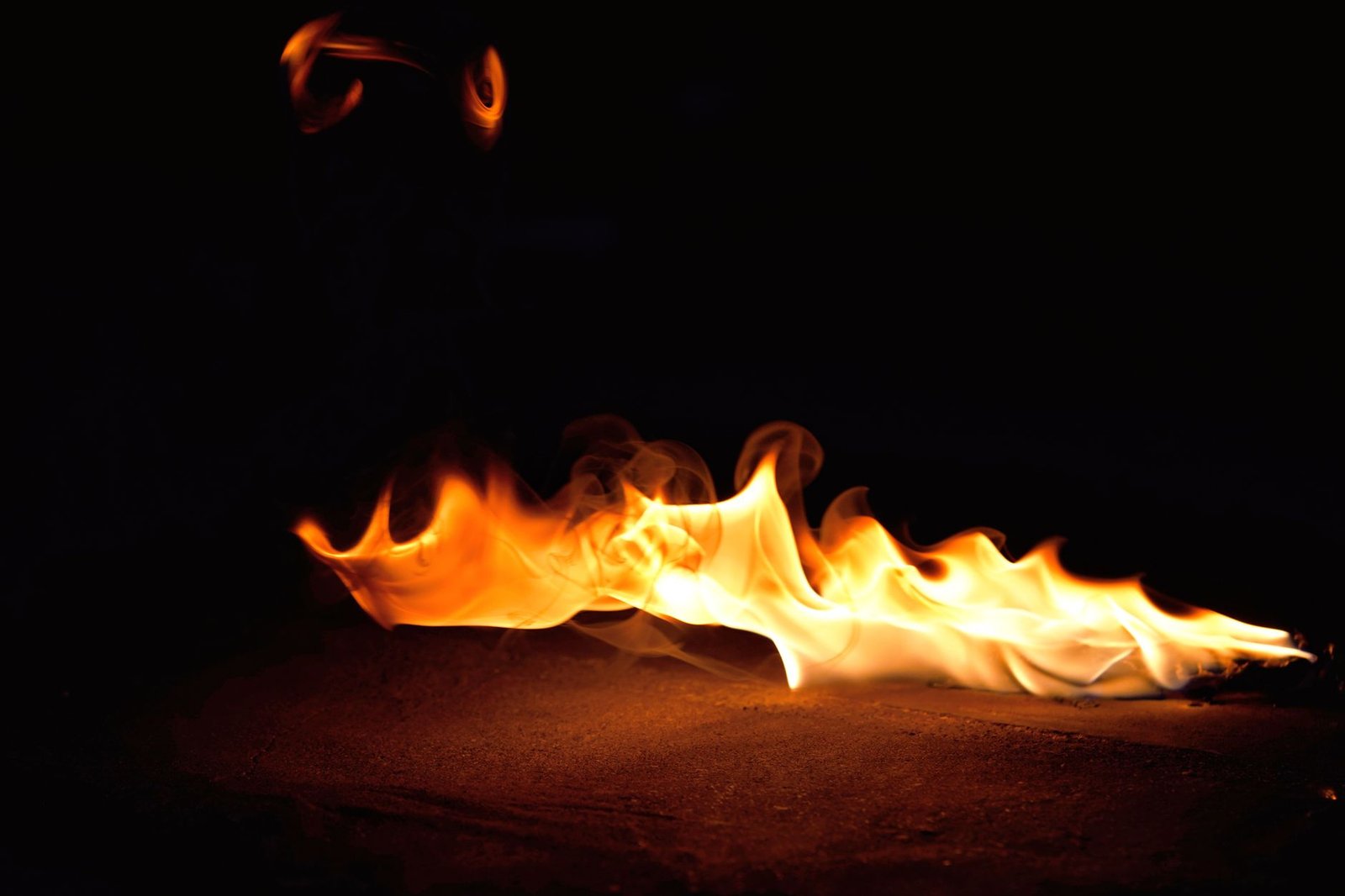
Throughout history, reported instances have sparked fear and fascination in equal measure. Writers like Charles Dickens referenced the phenomenon in their works, cementing it in popular culture. But while the imagery is striking and the mystery compelling, the scientific community has never accepted spontaneous human combustion as a real phenomenon. Instead, researchers point to overlooked explanations that are far less supernatural but equally fascinating once you understand the mechanics involved.
The Science Behind the Burn: The Wick Effect
The scientific consensus is clear - reported cases of spontaneous human combustion actually involve an overlooked external source of ignition. But if there's always an external source, how do we explain the extreme destruction of the body and the relative preservation of the surroundings?
Enter the wick effect, the most widely accepted scientific explanation for these mysterious deaths. Here's how it works. An external ignition source - a dropped cigarette, a spark from a fireplace, a knocked-over candle - sets clothing on fire. Once the fabric is burning, the heat causes body fat beneath the skin to melt. This liquefied fat seeps into the clothing, which then acts like the wick of a candle, with the body's own fat serving as fuel.
This creates a slow, sustained burn that can last for hours. The fire consumes the torso where the most fat is stored, but because it burns at a relatively low temperature and stays localized, it doesn't spread to furniture or walls. The extremities, which contain less fat, may be partially spared. The process is gruesome, but it's entirely explainable through physics and chemistry - no supernatural ignition required.
🧐 Did You Know? The term "spontaneous human combustion" was first coined in 1746 by Paul Rolli, a Fellow of the Royal Society, making this mysterious concept nearly three centuries old.
Why the Mystery Persists
If science has a reasonable explanation, why does the idea of spontaneous human combustion still capture our imagination? Part of the answer lies in how these cases are discovered and investigated. Many victims are found alone, sometimes days or weeks after death. Without witnesses and with limited forensic evidence, it's easy for investigators to miss small ignition sources like a cigarette butt or a faulty electrical wire.
The human brain also loves a good mystery. When faced with something that seems impossible - a body burned to ash in an otherwise intact room - we're drawn to explanations that match the strangeness of the scene. "They spontaneously combusted" feels more fitting than "they fell asleep smoking and their body fat acted as fuel." The mundane explanation doesn't satisfy our narrative instincts.
Media coverage plays a role too. Sensational headlines about unexplained fires sell papers and generate clicks. A story about a mysterious death gets far more attention than one about a tragic but explainable accident. Over time, these cases accumulate in the public consciousness, creating the impression that spontaneous human combustion is more common and more credible than it actually is.
Cultural factors matter as well. In some communities, the idea of supernatural or divine punishment resonates more than scientific explanations. When a death seems particularly unusual or occurs to someone living alone in difficult circumstances, attributing it to spontaneous combustion can feel like a way to make sense of senseless tragedy, even if the science tells a different story.
Real Cases, Real Explanations
When you examine famous cases of alleged spontaneous human combustion with a critical eye, the pattern becomes clear. Take the case of Mary Reeser in 1951, often cited as one of the most compelling examples. The 67-year-old woman was found in her Florida apartment, her body reduced to ash except for one slipper-clad foot. The scene looked impossible - how could such intense heat leave the rest of the apartment relatively unscathed?
Investigators eventually determined that Reeser, who took sleeping pills and was a smoker, likely fell asleep with a lit cigarette. Her rayon nightgown and the overstuffed chair she sat in provided the initial fuel, and the wick effect took over from there. The localized, slow-burning fire explained both the complete consumption of her body and the minimal damage to her surroundings. Not spontaneous, not supernatural - just a tragic accident with an overlooked ignition source.
Modern forensic science has become better at identifying these sources. Investigators now look for subtle clues - scorch marks on nearby surfaces, chemical residues, electrical faults, evidence of smoking materials. What might have been labeled spontaneous combustion decades ago would today be correctly identified as an accidental fire with a specific, identifiable cause. The mystery dissolves when you know what to look for.
Conclusion
Spontaneous human combustion sits at the intersection of scientific curiosity and human storytelling. The cases are real - people have died in fires that left their bodies severely burned while their surroundings remained strangely intact. But the explanation isn't supernatural or mysterious. It's the wick effect, a combination of external ignition, human physiology, and the unfortunate chemistry of burning fat and fabric.
The persistence of this myth reminds us how powerful a good mystery can be, especially when the alternative explanation feels too ordinary to match the strangeness of the evidence. But accepting the science doesn't make these deaths less tragic or the forensic details less fascinating. If anything, understanding how the wick effect works deepens our appreciation for the complex interplay of physics, chemistry, and circumstance that can turn an everyday accident into something that looks impossible. The fiction has been compelling, but the facts tell a story worth knowing.
FAQs
Can a human body actually catch fire without an external source?
No. The scientific consensus is that all reported cases of spontaneous human combustion involve an overlooked external ignition source such as a cigarette, candle, or electrical spark. Human bodies do not spontaneously ignite on their own.
What is the wick effect and how does it explain these deaths?
The wick effect occurs when an external flame ignites clothing, causing body fat to melt and soak into the fabric. The clothing then acts like a candle wick, with body fat serving as fuel for a slow, sustained burn that can last hours and consume most of the body while causing minimal damage to surroundings.
Why do victims' extremities sometimes survive while the torso is destroyed?
The torso contains the most body fat, which fuels the wick effect. Extremities like hands and feet have less fat and may be positioned away from the main burn area, allowing them to survive relatively intact even when the central body is reduced to ash.
How many cases of spontaneous human combustion have been documented?
While hundreds of cases have been reported over the centuries and labeled as spontaneous human combustion, forensic investigation has found explainable causes for those examined closely. No scientifically verified case exists where a body ignited without an external source.
Are some people more at risk for these types of fires?
Yes. Risk factors include being elderly or mobility-impaired, smoking, taking sedative medications, living alone, and using alcohol. These conditions increase the likelihood of an accidental ignition source going unnoticed and the victim being unable to escape or call for help once a fire starts.