
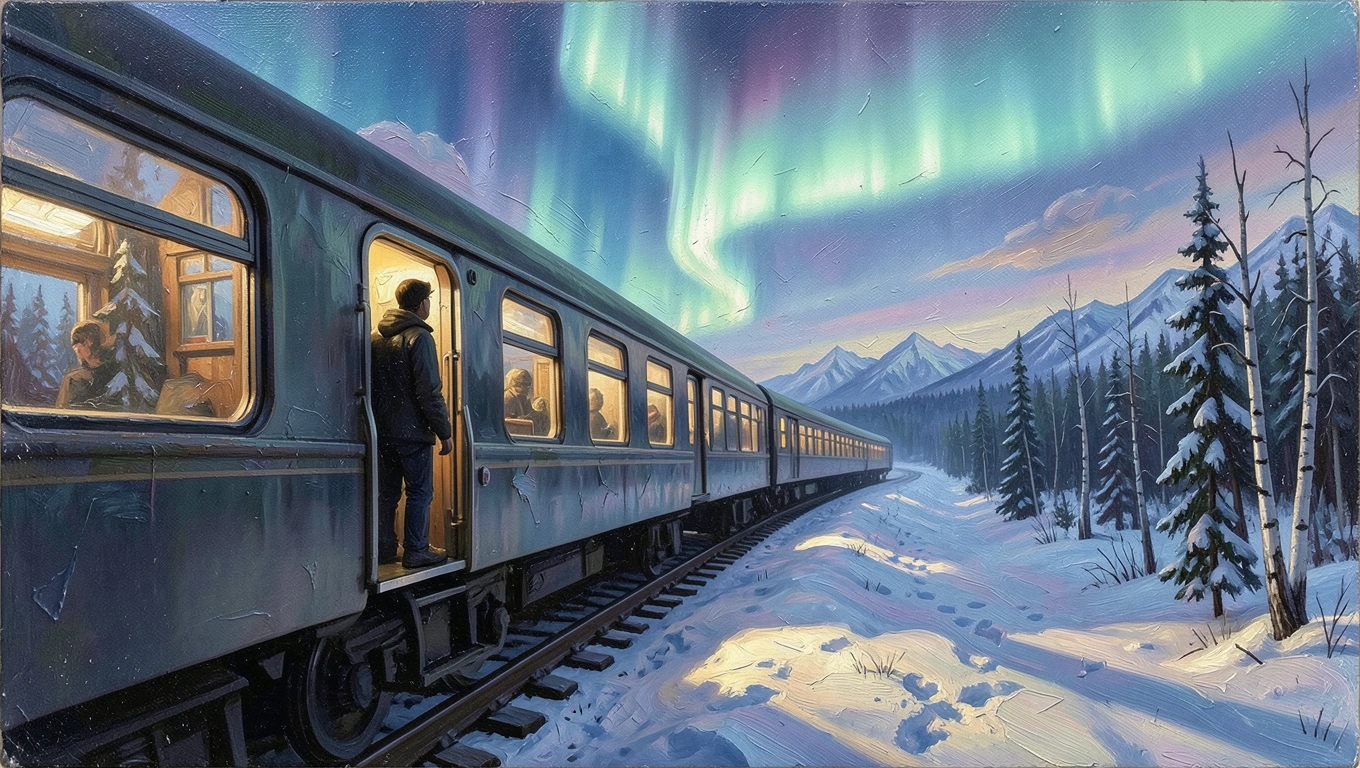
The Trans-Siberian Railway isn't just a train ride - it's a legend on rails, a week-long odyssey across an entire continent, and a journey that has captivated travelers for more than a century. Stretching from Moscow to Vladivostok, this iconic route crosses forests, steppes, mountains, and the shores of the world's deepest lake. Whether you're drawn by adventure, history, or simply the romance of slow travel, crossing the Trans-Siberian is an experience that changes how you see distance, time, and the sheer vastness of Russia itself.
The Route and What to Expect
The Trans-Siberian Railway spans 9,289 kilometers (5,772 miles), making it the longest passenger railway line on Earth. The journey connects Moscow in the west with Vladivostok on Russia's Pacific coast, traversing eight time zones along the way. For simplicity, every train and station clock runs on Moscow time, which means you'll need to stay sharp about local time versus train time, especially when making brief platform stops to grab food or stretch your legs.
A non-stop express journey takes around six days, but most travelers extend the trip to two or three weeks, hopping off at cities along the route. Popular stops include Yekaterinburg, where Europe meets Asia; Irkutsk, the gateway to Lake Baikal; and Ulan-Ude, with its strong Buddhist heritage. The railway crosses 497 bridges, passes through 15 tunnels, and touches 87 cities, each offering a glimpse into vastly different landscapes and cultures.
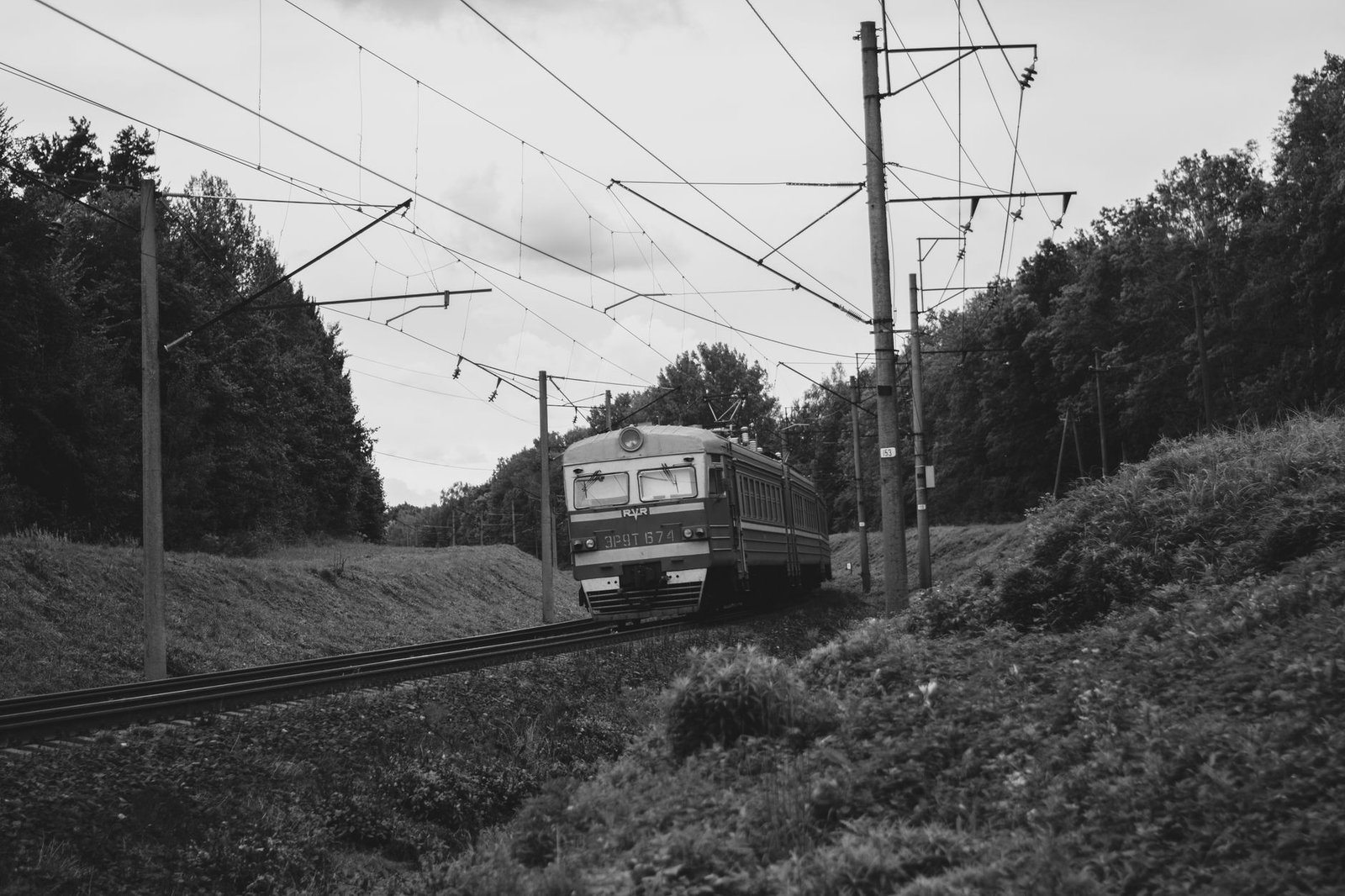
The track gauge is 1,520 mm, different from standard European and Chinese railways, which means international trains require special adaptations. This becomes relevant if you're taking one of the alternative routes, like the Trans-Mongolian line to Ulaanbaatar and Beijing, or the Trans-Manchurian route through northern China.
Planning Your Journey
You have options when it to how you experience the Trans-Siberian. The traditional approach is to book tickets on regular passenger trains, mixing second-class platskartny (open carriage with bunks) and more private kupe (four-berth compartments). These trains are how Russians actually travel - families, soldiers, traders, and students all sharing the same carriages, creating an authentic slice of daily life.
🧐 Did You Know? The Trans-Siberian Railway took 25 years to complete, with construction beginning in 1891 under Tsar Alexander III and finishing in 1916. An estimated 100,000 workers labored on the project, facing brutal conditions, permafrost, and the challenge of building across some of the world's most unforgiving terrain.
At the other end of the spectrum, luxury trains like the Imperial Russia offer a completely different experience. These private tourist services provide upscale cabins, dining cars with multi-course meals, and organized excursions at each stop. You'll pay significantly more, but the comfort level and guided support can make the journey less daunting for first-timers.
Visas are your first logistical hurdle. Russia requires a tourist visa with an invitation letter, which you can obtain through hotels or visa services. If you're routing through Mongolia or China, you'll need additional visas, and the paperwork timeline can stretch weeks or months. Plan ahead, especially during peak summer season when both trains and visa processing slow down.
Pack smart for life on board. Bring instant noodles, snacks, tea bags, and a mug - each carriage has a samovar (hot water boiler) that runs continuously. A universal power adapter, comfortable clothes, and slip-on shoes make cabin life easier. A phrasebook or translation app helps immensely, as English fluency drops dramatically outside major cities.
Life on the Train
The rhythm of Trans-Siberian travel is unlike anything else. Days blur together in a hypnotic pattern - sleep, wake, watch the landscape scroll past, chat with fellow passengers, eat, read, and sleep again. The scenery shifts gradually: birch forests give way to Siberian taiga, then rolling steppe, then mountains, then the unique ecosystem around Lake Baikal, where the railway hugs the southern shore for 207 kilometers.
Your carriage attendant, the provodnitsa or provodnik, keeps the train running. They check tickets, provide bedding, maintain the samovar, and ensure their section stays clean. Building a friendly relationship helps - a smile and a few Russian words go a long way. Many travelers bring small gifts or chocolates to share, which opens doors to conversations and insider tips about upcoming stops.
Station stops are crucial breaks from cabin confinement. When the train halts for 15 or 20 minutes, passengers spill onto platforms to buy food from babushkas selling homemade piroshki, smoked fish, berries, and pickles. These platform vendors offer some of the best food of the journey - fresh, cheap, and authentically local. Just keep one eye on the clock (Moscow time) and don't stray far from your carriage.
Entertainment is whatever you make it. Books, downloaded shows, podcasts, and music fill the hours. Card games and vodka-fueled conversations with Russians in neighboring bunks create unexpected friendships. Some travelers bring portable speakers for evening gatherings in the dining car. The key is embracing the slowness rather than fighting it - this isn't about rushing from A to B.
Highlights Along the Way
Stopping in Irkutsk gives you access to Lake Baikal, which holds about 20 percent of the world's fresh surface water. The lake is ancient, deep, and breathtakingly clear. Most travelers spend at least two or three days here, either in Irkutsk itself or in the village of Listvyanka on the lake's edge. In winter, the frozen surface becomes a road for cars and ice fishermen. In summer, hiking and boat trips reveal the unique biodiversity of the region.
Yekaterinburg marks the boundary between Europe and Asia, literally - there's a monument where travelers pose with one foot on each continent. The city has a complicated history as the execution site of Tsar Nicholas II and his family, now marked by the Church on the Blood. It's also surprisingly modern and walkable, with good restaurants and a lively arts scene.
Ulan-Ude, capital of the Buryat Republic, feels culturally distinct from the rest of Siberia. Buddhism is strong here, and you can visit the Ivolginsky Datsan, one of Russia's most important Buddhist monasteries. The city also has a surreally oversized Lenin head in the main square - one of the world's largest busts of the Soviet leader.
Vladivostok, the eastern terminus, is a hilly port city with a vibe more akin to San Francisco than Moscow. The military presence is obvious - this is Russia's Pacific Fleet headquarters - but the city has opened up to tourism in recent years. Fresh seafood, Korean influences, and spectacular views over Golden Horn Bay make it a worthy finale to the journey.
Conclusion
Crossing the Trans-Siberian Railway isn't for everyone. It demands patience, flexibility, and comfort with long stretches of doing very little. The trains can be cramped, the toilets basic, and the language barrier real. But for travelers who embrace slow, immersive experiences, it delivers something increasingly rare: genuine disconnection from the speed of modern life and genuine connection with a place and its people.
What you get out of the journey depends entirely on what you bring to it. If you approach it as a task to complete, six days will feel like six weeks. If you treat it as an experience to inhabit - watching the taiga roll past, sharing meals with strangers, reading novels you've put off for years - it becomes transformative. The Trans-Siberian doesn't just cross a continent. It crosses a threshold in your relationship with travel itself, reminding you that sometimes the journey really is more important than the destination.
FAQs
How much does it cost to ride the Trans-Siberian Railway?
Prices vary dramatically based on class and season. A second-class ticket from Moscow to Vladivostok on a regular passenger train typically costs between $200 and $400. First-class compartments run $500 to $900. Luxury tourist trains can cost $5,000 to $15,000 or more for the full journey with all accommodations and excursions included. Budget travelers who buy tickets in segments and stay in hostels at stops can complete the journey for under $1,000 total.
What is the best time of year to take the Trans-Siberian?
Summer (June through August) offers the warmest weather and longest daylight but is also the most crowded and expensive. Late spring (May) and early autumn (September) provide good weather with fewer tourists. Winter travel (December through February) is cold but offers unique experiences like crossing frozen Lake Baikal and seeing Siberia under snow. Avoid the shoulder months of March and October when weather is unpredictable and many seasonal services close.
Do I need to speak Russian to travel the Trans-Siberian?
You don't need fluent Russian, but learning Cyrillic alphabet and basic phrases makes the journey significantly easier and more enjoyable. Train staff and locals in smaller cities rarely speak English. A translation app with offline capability is essential for reading signs, menus, and communicating basic needs. Many travelers successfully complete the journey with minimal Russian, but those who invest in basic language skills have richer interactions.
Can I break up the journey with stops along the way?
Absolutely, and most travelers do. You can buy tickets in segments, stopping in cities for a few days before continuing east or west. This requires more planning and flexibility, as trains don't run every day on all routes. Some travelers book through agencies that arrange the entire multi-stop itinerary. Others buy tickets as they go, though this risks sold-out trains during peak season. Breaking the journey makes it less monotonous and lets you actually experience Siberia rather than just passing through.
What should I pack for a Trans-Siberian journey?
Bring layers for varying temperatures, comfortable clothes for sitting and sleeping, and slip-on shoes for easy on-off in your cabin. A towel, toiletries, and flip-flops for shared bathrooms are essential. Pack snacks, instant foods, tea, and a reusable mug for the samovar. A portable charger, universal adapter, headlamp, and entertainment (books, downloads) fill the hours. Bring a small amount of rubles in cash - cards aren't widely accepted at smaller stations. A good lock for your luggage and a day bag for platform stops complete the essentials.