
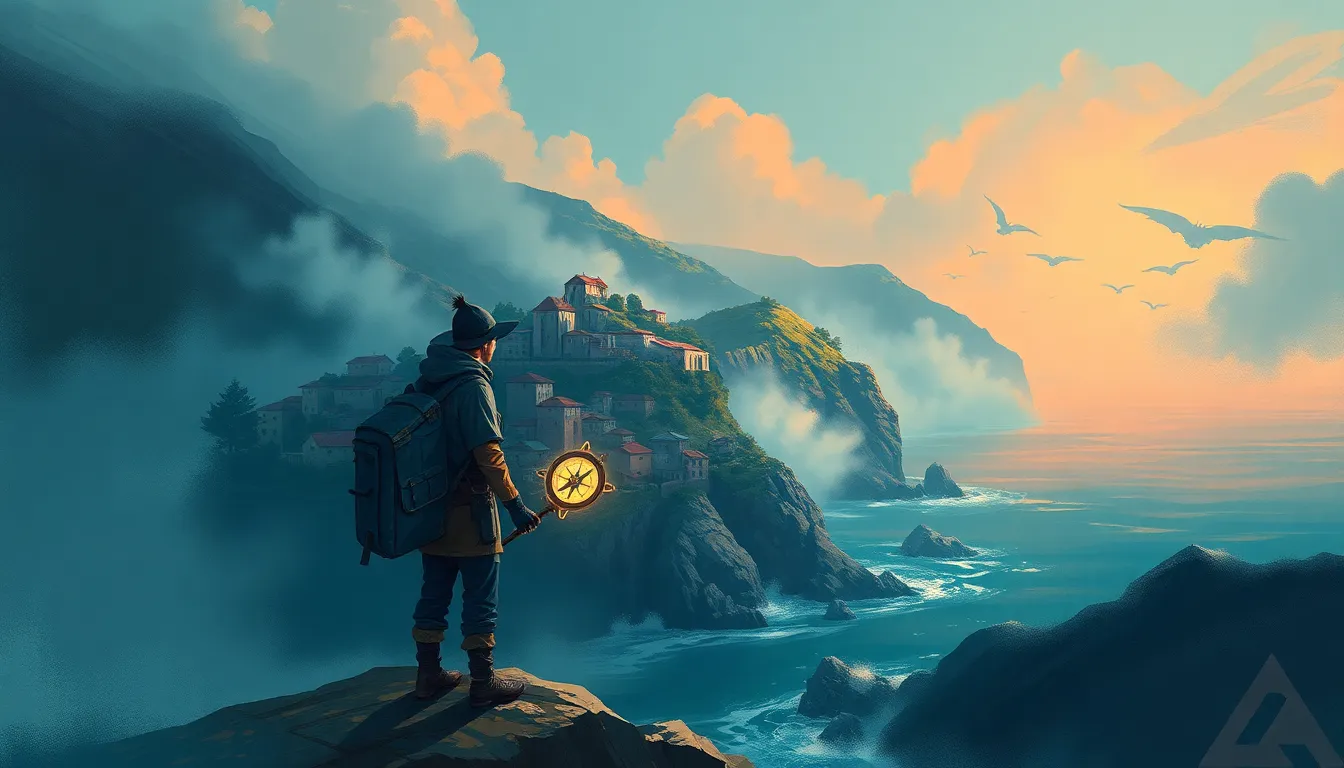
Hidden Gems in Portugal: Beyond Lisbon
Portugal has long captivated travelers with its golden beaches, delicious food, and rich history. While Lisbon and Porto rightfully earn attention as magnificent destinations, the true magic of Portugal often lies in its lesser-known corners. These hidden treasures offer authentic experiences without the crowds, allowing visitors to discover the heart and soul of Portuguese culture. From sleepy coastal villages to mountain towns frozen in time, Portugal’s hidden gems provide a glimpse into the country’s diverse landscape and traditions that many travelers miss.
The Enchanting Alentejo Region
Situated between Lisbon and the Algarve, the Alentejo remains one of Portugal’s best-kept secrets. This sprawling region covers nearly a third of the country yet hosts just 5% of its population. The landscape unfolds in rolling hills of cork oak forests, olive groves, and vineyards stretching toward the horizon. White-washed villages with terra-cotta roofs dot the countryside, creating picture-perfect scenes that feel untouched by time.
Évora, the capital of Alentejo, serves as an ideal base for exploration. This UNESCO World Heritage city features Roman ruins, medieval walls, and the somewhat unsettling Chapel of Bones. But venturing beyond Évora reveals the true character of the region. The hilltop village of Monsaraz offers stunning panoramic views across the countryside and into Spain. Its ancient stone streets and castle walls create an atmosphere that transports visitors centuries back in time.
The Alentejo coast differs dramatically from the popular Algarve beaches. Here, dramatic cliffs give way to vast, empty stretches of sand. Towns like Vila Nova de Milfontes and Porto Covo provide a laid-back beach experience without the development that characterizes southern Portugal. The seafood is incredibly fresh, the pace slow, and the sunsets unforgettable.
🧐
Did You Know? The Alentejo region produces over half of the world’s cork supply. The cork oak trees are harvested every nine years without cutting down the tree, making it one of the most sustainable forest products in the world.
The Mystical Douro Valley
While many travelers visit Porto to sample its famous port wine, fewer venture upriver to the spectacular Douro Valley where the grapes are actually grown. This UNESCO World Heritage region features terraced vineyards carved into steep hillsides, creating one of the most stunning agricultural landscapes in Europe. The winding Douro River reflects the blue sky and green hills, creating a mesmerizing ribbon of color through the valley.
Small towns like Pinhão and Peso da Régua serve as gateways to the wine country. Traditional quintas (wine estates) welcome visitors for tours and tastings, many offering accommodations in historic manor houses. The N-222 highway between Peso da Régua and Pinhão was once voted the world’s best driving road, with curves that hug the river and viewpoints that demand frequent stops.
Beyond wine, the Douro Valley offers rich cultural experiences. The prehistoric rock art at Vale do Côa, traditional Portuguese folk music performances in village squares, and regional cuisine featuring dishes like roasted kid goat and baked cod provide glimpses into authentic Portuguese life. The valley transforms with the seasons – from the bright green of spring to the rich reds and golds of autumn when harvest activities bring the landscape to life.
🧐
Did You Know? The Douro Valley is the oldest demarcated wine region in the world, established in 1756. Long before Bordeaux or Champagne were officially recognized, the Portuguese government was already regulating the production of port wine in the Douro.
The Untamed Azores Archipelago
Located about 1,000 miles from mainland Portugal in the middle of the Atlantic Ocean, the Azores archipelago represents Portuguese nature at its wildest. These nine volcanic islands burst with vivid greens, deep blue crater lakes, and steaming hot springs. São Miguel, the largest island, offers incredible diversity – from the twin lakes of Sete Cidades to the hot springs and botanical gardens of Furnas.
The island of Pico features Portugal’s highest mountain and UNESCO-protected vineyards grown in volcanic soil. Tiny Corvo, home to just 400 residents, feels like the edge of the world. Throughout the islands, outdoor activities abound – hiking volcanic craters, whale watching, canyoning, and swimming in natural ocean pools formed by ancient lava flows.
What makes the Azores special goes beyond the landscapes. The islands maintain traditions that have faded elsewhere. Festivals like the Holy Ghost celebrations feature colorful parades and communal feasts. The local cuisine highlights freshness, with dishes cooked in the volcanic heat of the ground in Furnas. Dairy products shine, particularly the cheeses of São Jorge island, which rival any in Europe.
The islands’ isolation has preserved ecosystems found nowhere else. Endemic plants like the Azorean heather and blueberry create unique habitats. The sustainable tourism approach protects these resources while allowing visitors to experience this natural wonderland responsibly.
The Time-Capsule Villages of Central Portugal
Central Portugal’s schist villages (aldeias do xisto) and historical villages (aldeias históricas) transport visitors to another era. Built from local stone that blends perfectly with the surrounding landscape, these villages often perch on hillsides or mountaintops. They served as defensive outposts during the country’s formation and border struggles with Spain.
Monsanto, voted “the most Portuguese village in Portugal,” features houses built around and under massive boulders. Narrow lanes wind between structures that have remained largely unchanged for centuries. Nearby, the walled village of Sortelha offers a perfectly preserved medieval core with a castle offering views into Spain.
The schist villages trail connects 27 communities built from this distinctive metamorphic stone. Places like Piódão, with its blue-trimmed houses cascading down a hillside, seem to grow organically from the earth itself. Many villages faced abandonment as younger generations moved to cities, but tourism has brought new life. Former residents return to open guesthouses and restaurants serving traditional mountain recipes like chanfana (goat stew) and tigelada (egg pudding).
Hiking trails connect many villages, allowing visitors to experience the diverse landscapes of the Serra da Estrela and other mountain ranges. In winter, Serra da Estrela even offers Portugal’s only ski resort – a surprise to many who associate the country only with beaches.
Conclusion
Portugal’s hidden gems reveal a country of remarkable diversity and authentic experiences waiting just beyond the tourist hotspots. These lesser-known destinations offer travelers the chance to connect with local culture, history, and natural beauty without the crowds. From the sun-baked plains of Alentejo to the volcanic landscapes of the Azores, from the wine terraces of the Douro to the stone villages of central Portugal, these places represent the soul of the country.
The beauty of exploring beyond Lisbon lies in the unexpected discoveries – a family-run restaurant serving recipes passed through generations, a local festival where visitors are welcomed like old friends, or a panoramic viewpoint reached after a hike through fragrant pine forests. These moments create the most lasting travel memories.
As tourism in Portugal continues to grow, these hidden gems may not remain secret for long. But the Portuguese commitment to preserving authenticity and sustainability offers hope that these special places will retain their character and charm for generations to come.
Frequently Asked Questions
When is the best time to visit Portugal’s hidden gems?
Spring (April-June) and fall (September-October) offer ideal conditions for exploring Portugal’s lesser-known regions. You’ll enjoy pleasant temperatures, fewer crowds, and often lower prices. The Azores have their own microclimate, with year-round mild temperatures but more rainfall in winter. The Douro Valley is particularly beautiful during September harvest season, while central Portugal’s mountain villages can be magical with a dusting of snow in winter.
How do I get around Portugal without a car?
While a rental car provides the most flexibility for exploring hidden gems, public transportation can work for many destinations. Portugal has a reliable train system connecting major cities, and bus networks reach many smaller towns. For the most remote villages, consider joining local tours that depart from regional hubs. The Azores have inter-island flights and ferries (more frequent in summer). Many rural accommodations can arrange local transportation or guided excursions to nearby attractions.
Are English speakers common in Portugal’s rural areas?
In tourist-frequented cities like Lisbon and Porto, English is widely spoken. In rural areas and small villages, you’ll encounter fewer English speakers, particularly among older residents. However, Portuguese people are generally helpful and patient with visitors. Learning a few basic Portuguese phrases goes a long way and is greatly appreciated by locals. Younger Portuguese often speak some English, and many restaurants in tourist areas offer English menus. Downloading a translation app can help bridge any communication gaps during your explorations.