
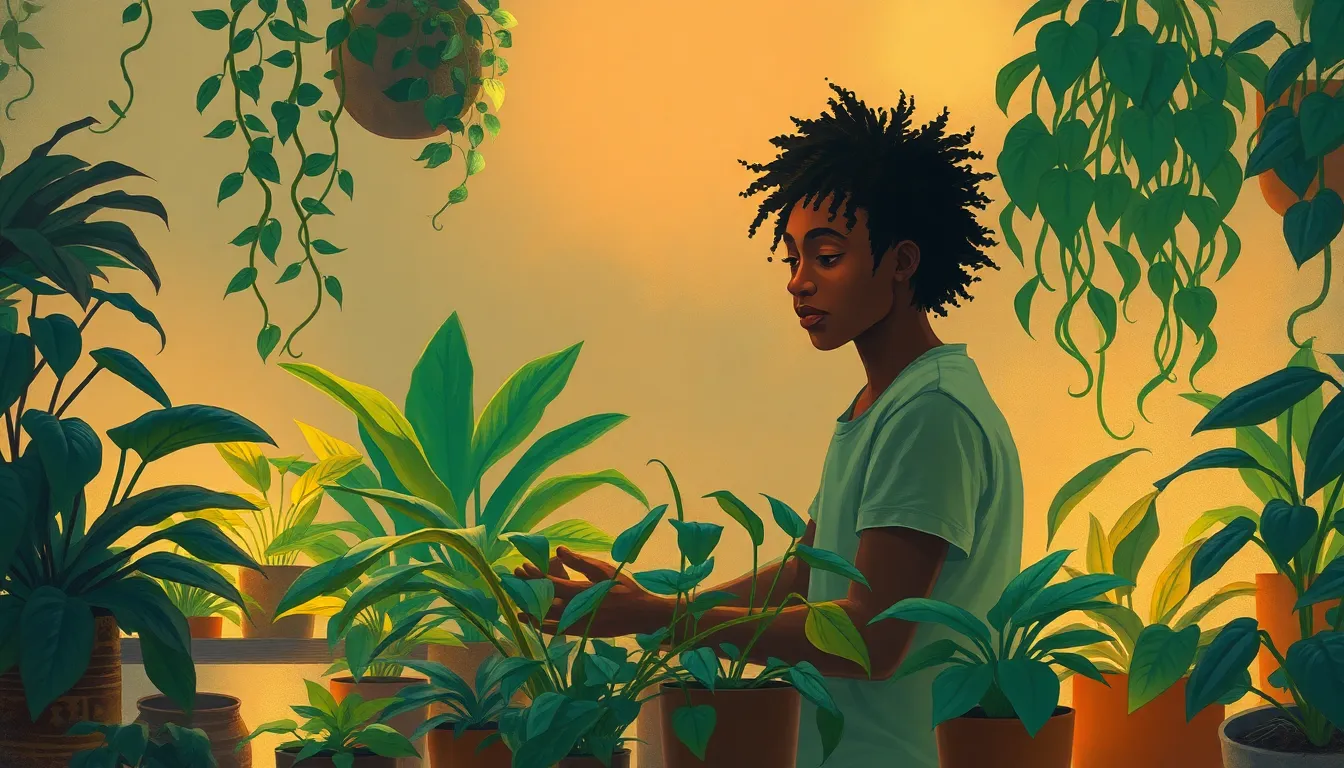
Indoor Garden: Best Plants
Growing an indoor garden can transform your living space into a green sanctuary, but not all of us are blessed with sun-drenched windows. If your home tends to be on the darker side, don’t worry – you can still create a thriving indoor garden with the right plant selection. Low-light plants have adapted to survive and even flourish in shadier conditions, making them perfect companions for apartments with limited natural light, north-facing windows, or rooms that just don’t get much sunshine.
In this guide, we’ll explore the best plants that don’t need much light to thrive indoors, how to care for them, and how to create an indoor garden that brings life to even the darkest corners of your home. Let’s turn those challenging low-light areas into green havens!
Understanding Low Light Conditions
Before diving into plant selections, it’s important to understand what “low light” actually means. Many people mistakenly believe their homes are darker than they really are, or conversely, think a space has adequate light when it’s actually too dim for most plants.
Low light doesn’t mean no light. Even low-light plants need some illumination to photosynthesize and stay healthy. In general, low light refers to areas that receive indirect, filtered light, such as:
- North-facing windows
- East-facing windows that are partially obstructed
- Interior rooms with minimal natural light
- Areas several feet away from windows
You can do a simple test to determine if a spot has enough light for low-light plants: hold your hand about 12 inches from the wall or surface during daylight hours. If you can see a soft shadow, that’s low light. If you can barely see a shadow or no shadow at all, that’s very low light and you might need to supplement with grow lights.
Understanding your home’s light conditions helps set realistic expectations and ensures you select plants that will actually thrive rather than merely survive.
🧐
Did You Know? Plants can actually “see” light. They contain photoreceptors that detect different wavelengths of light, allowing them to grow toward light sources and adjust their growth patterns – a phenomenon called phototropism. Low-light plants have evolved more efficient photoreceptors to maximize the limited light they receive.
Top Low-Light Plants for Indoor Gardens
When it comes to thriving in dim conditions, not all plants are created equal. Here are some of the best performers that can flourish even when light is limited:
Snake Plant (Sansevieria)
Snake plants are practically indestructible. Their stiff, upright leaves add architectural interest, and they come in various patterns and sizes. They can tolerate very low light conditions and irregular watering, making them perfect for beginners or forgetful gardeners. The best part? They’re also excellent air purifiers, converting carbon dioxide to oxygen even at night – a rare trait among houseplants.
ZZ Plant (Zamioculcas zamiifolia)
The ZZ plant has gained popularity for its glossy, dark green leaves and extreme tolerance for neglect. It can survive in office spaces with only fluorescent lighting and can go weeks between waterings thanks to its drought-resistant rhizomes. The plant grows slowly but steadily in low light, requiring minimal maintenance while maintaining its attractive appearance.
Pothos (Epipremnum aureum)
This vining plant is perfect for shelves, hanging baskets, or climbing up walls. Available in varieties like golden, marble queen, neon, and jade, pothos adds versatile color options to low-light spaces. It grows relatively quickly even in dim conditions and can be easily propagated by cuttings, allowing you to expand your indoor garden for free.
Peace Lily (Spathiphyllum)
If you want flowers in your low-light garden, peace lilies are your answer. These elegant plants produce white spathes (modified leaves that look like flowers) and thrive in shady conditions. They’re also excellent indicators of when they need water – their leaves droop dramatically but recover quickly after watering.
Chinese Evergreen (Aglaonema)
Chinese evergreens come in various patterns and colors, from dark green to silver and even pink varieties. They’re exceptionally adaptable to low light and add a tropical feel to any indoor space. Newer varieties with more colorful foliage may need slightly brighter light, but the traditional green varieties do well in dim conditions.
🧐
Did You Know? NASA’s Clean Air Study found that many low-light houseplants are exceptionally good at filtering indoor air pollutants. Snake plants, peace lilies, and pothos all made the list as effective natural air purifiers, removing toxins like formaldehyde, benzene, and trichloroethylene from indoor air.
Creating Your Low-Light Indoor Garden
Now that you know which plants can thrive in low light, it’s time to create your indoor garden. Here’s how to set yourself up for success:
Choose the Right Containers
Since low-light plants typically grow more slowly, they don’t need frequent repotting. Invest in attractive containers that complement your decor, as they’ll be part of your display for a while. Ensure all containers have drainage holes or use the pot-within-a-pot method (keeping plants in plastic nursery pots inside decorative containers). This prevents root rot, which is especially important for plants in lower light conditions where soil dries more slowly.
Soil and Watering Considerations
Low-light environments affect how plants use water. Since there’s less light for photosynthesis, plants generally need less frequent watering than their bright-light counterparts. Use a well-draining potting mix, and always check soil moisture before watering. Most low-light plants prefer to dry out slightly between waterings.
A common mistake is sticking to a rigid watering schedule. Instead, develop the habit of checking the soil with your finger – if the top inch feels dry for most low-light plants, it’s time to water. During winter months when growth slows, reduce watering frequency even further.
Arrangement and Display
Creating an effective indoor garden isn’t just about plant survival – it’s about creating an appealing display. Consider these tips:
- Group plants with similar care needs together for easier maintenance
- Use plants of varying heights, textures, and growth habits
- Incorporate plant stands, shelves, or hanging planters to create visual interest
- Rotate plants occasionally so all sides receive light exposure
Troubleshooting Common Low-Light Garden Problems
Even with the right plants, you might encounter some challenges in your low-light indoor garden. Here are solutions to common problems:
Leggy Growth
When plants stretch toward light sources and develop long spaces between leaves, they’re becoming “leggy.” This indicates they need more light. Try moving them slightly closer to a window or adding supplemental lighting. For vining plants like pothos, regular trimming can encourage fuller growth.
Yellow or Pale Leaves
While often a sign of overwatering, yellowing leaves can also indicate insufficient light. If the soil isn’t waterlogged and yellowing persists, your plant may need a brighter location. Remember that variegated varieties (with white or yellow patterns) need more light than their all-green counterparts to maintain their patterns.
Pests
Low-light conditions can sometimes create higher humidity, which certain pests love. Inspect your plants regularly for signs of spider mites, mealybugs, or fungus gnats. Treat infestations early with insecticidal soap or neem oil, and ensure good air circulation around your plants.
Conclusion
Creating a thriving indoor garden in low-light conditions is absolutely possible with the right plant selection and care approach. By choosing adaptable species like snake plants, pothos, ZZ plants, peace lilies, and Chinese evergreens, you can enjoy the benefits of indoor greenery without needing a sunny window.
Remember that even low-light plants need some light to survive – they’ve simply evolved to be more efficient with what they receive. Pay attention to your plants’ signals, adjust your care as needed, and don’t be afraid to experiment with different locations around your home.
The benefits of your indoor garden extend beyond aesthetics. These plants improve air quality, boost mood, and connect us with nature in our increasingly indoor lives. With minimal investment and care, your low-light indoor garden can transform dim corners into vibrant living spaces that bring joy year-round.
Frequently Asked Questions
Can plants really survive with only artificial light?
Yes, many low-light plants can survive under artificial lighting like fluorescent lights or LEDs. Office plants often thrive for years under nothing but fluorescent lighting. For best results, use full-spectrum bulbs and keep them on for 12-14 hours daily to mimic natural daylight cycles. Plants like pothos, ZZ plants, and snake plants are particularly adaptable to artificial lighting.
How often should I fertilize my low-light plants?
Low-light plants grow more slowly than plants in bright conditions, so they need less fertilizer. Apply a balanced, water-soluble houseplant fertilizer at half the recommended strength once every 2-3 months during spring and summer. Don’t fertilize in fall and winter when growth naturally slows. Over-fertilizing can lead to salt buildup and damaged roots, so less is more with low-light plants.
My apartment gets almost no natural light. Are there any plants that can survive?
Yes! ZZ plants and snake plants can survive in very low light conditions, including rooms with minimal natural light. Chinese evergreens (particularly the darker green varieties) and pothos can also adapt to very dim conditions. If your space is exceptionally dark, consider rotating plants to a brighter area occasionally or adding a simple grow light. Remember that “low light” doesn’t mean “no light” – all plants need at least some light for photosynthesis.