
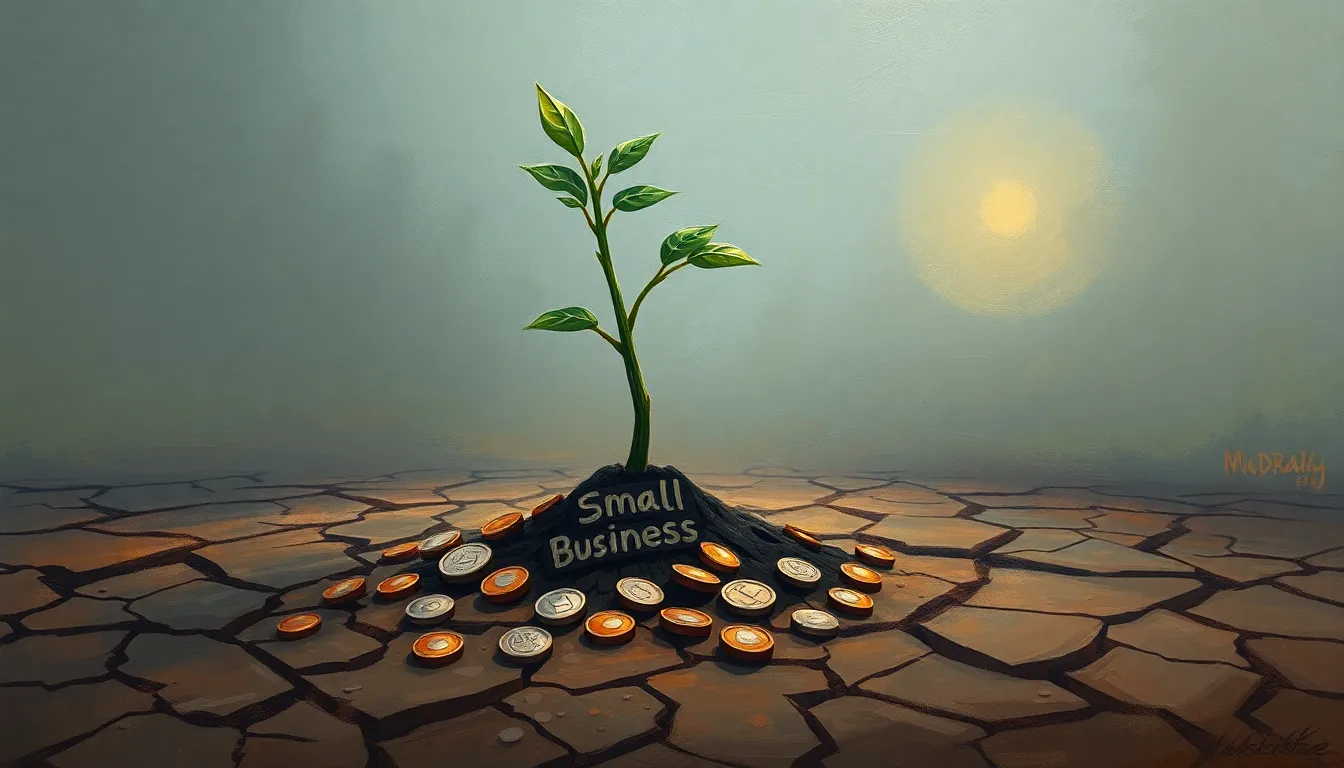
Starting a small business is exciting, but one question keeps every new owner up at night: when will I actually start making money? Not just revenue - but real profit that covers what you spent to get started. The break-even point is that critical milestone where your business finally stops bleeding cash and starts standing on its own feet. Understanding how long this really takes can help you plan better, avoid panic when months stretch on, and know whether you're on track or falling behind.
The timeline varies wildly depending on what kind of business you're running. A freelance consultant working from home faces a completely different reality than someone opening a restaurant. Your startup costs, overhead, pricing strategy, and how quickly you can attract customers all play a role. Let's look at what the numbers actually say and what factors push that timeline forward or hold it back.
The Average Timeline for Most Small Businesses
Most small businesses take somewhere between 12 and 18 months to break even on their initial investment. That's the point where you've made back all the money you spent on licenses, equipment, inventory, marketing, rent deposits, and everything else it took to open your doors. This doesn't mean you're wildly profitable yet - it just means you're no longer in the red from your startup phase.

But this average hides a lot of variation. Some businesses hit monthly break-even much faster - meaning their monthly income covers their monthly expenses - even if they're still paying down that initial investment. Others struggle for years. The type of business you're running matters more than almost anything else.
Service-based businesses like cleaning companies or consulting firms typically reach monthly break-even in just 2 to 6 months. Why so fast? Lower startup costs, minimal inventory, and the ability to start small and scale gradually. A freelance graphic designer needs a laptop and some software subscriptions. A house cleaning service needs supplies and transportation. Neither requires a massive upfront investment or long build-out period.
Compare that to retail and food service businesses, which generally take 12 to 24 months to reach monthly break-even. A coffee shop needs to lease space, build out the interior, buy equipment, stock inventory, hire staff, and spend months building a customer base. A boutique clothing store faces similar challenges. These businesses have higher fixed costs that keep running whether customers show up or not.
🧐 Did You Know? Most brick-and-mortar businesses take 18 to 36 months to achieve full investment payback, meaning you've recovered every dollar spent to start the business. That's significantly longer than the monthly break-even point.
What Pushes Your Break-Even Date Further Out
Several factors can delay your break-even point, and understanding them helps you plan more realistically. Location is huge for brick-and-mortar businesses. Opening a retail store in a high-traffic downtown area means paying premium rent for months before you've built a loyal customer base. The visibility might be worth it eventually, but it extends your timeline significantly.
Inventory-heavy businesses face a tougher road. If you're opening a bookstore or a hardware store, you need to stock shelves before making your first sale. That's cash tied up in products that might sit for months. Seasonal businesses face an additional challenge - imagine launching a ski shop in April. You might wait months for your busy season to arrive, burning through cash the whole time.
Your pricing strategy matters too. Some new businesses underprice their products or services, hoping to attract customers quickly. This can actually delay profitability because you're working harder for less money. Others price appropriately from the start but need time to convince customers they're worth the investment.
Competition in your market can stretch things out. Opening a coffee shop on a block that already has three established cafes means fighting for market share. You need to give customers a reason to switch, and that takes time and marketing dollars. Starting in an underserved market or with a unique offering can speed things up considerably.
How to Speed Up Your Break-Even Timeline
You're not entirely at the mercy of industry averages. Smart choices can shorten your path to profitability. Starting lean is the single most effective strategy. Every dollar you don't spend on fancy equipment, premium locations, or elaborate marketing is a dollar you don't need to earn back. Begin with the minimum viable version of your business and upgrade as revenue grows.
Many successful business owners keep their day jobs initially or work the business part-time until revenue stabilizes. This approach takes pressure off the business to generate income immediately and gives you breathing room to grow sustainably. It's not glamorous, but it works.
Getting your pricing right from the start makes a massive difference. Too many new businesses give away their value, thinking low prices will attract customers faster. Often the opposite happens - customers associate low prices with low quality. Research what competitors charge, understand your true costs including your time, and price accordingly. You can always run strategic promotions without permanently devaluing your work.
Focus relentlessly on cash flow in those early months. Getting paid quickly matters more than landing huge deals with long payment terms. A small client who pays immediately is more valuable than a big client who pays in 90 days when you're trying to make rent next week. Invoice promptly, follow up on late payments, and consider requiring deposits for larger projects.
Smart marketing matters, but expensive marketing doesn't always equal effective marketing. Social media, email lists, and word-of-mouth cost far less than traditional advertising and often work better for small businesses building local relationships. One extremely satisfied customer who tells everyone they know is worth more than a thousand impressions on a billboard.
The Difference Between Break-Even and Actual Profitability
Here's something that trips up a lot of new business owners: breaking even and being profitable aren't the same thing. Breaking even means you've stopped losing money. Profitability means you're actually making enough to pay yourself a real salary and build reserves for growth or emergencies.
Many businesses hit break-even but then plateau there, generating just enough revenue to cover costs but not enough to truly thrive. The owner works constantly but takes home barely minimum wage. This is better than losing money, sure, but it's not what you started a business to achieve.
True profitability requires getting past break-even and then continuing to grow revenue while keeping costs in check. This is where the real business begins. You can finally invest in better equipment, hire help to free up your time, or expand your offerings. You're not just surviving anymore - you're building something sustainable.
The timeline to real profitability varies even more than the break-even timeline. Some businesses achieve it within a year. Others take three or four years to reach a point where the owner makes a comfortable living. Industry, location, and how well you execute all factor in.
Conclusion
Breaking even typically takes 12 to 18 months for most small businesses, but your mileage will absolutely vary. Service businesses often get there faster, while retail and food service take longer. The key is understanding what's realistic for your specific business type and market, then doing everything you can to shorten that timeline through smart financial decisions.
Don't let these timelines discourage you. Yes, most businesses take over a year to break even, and that's a long time to wait for profitability. But it's also completely normal. The businesses that fail aren't usually the ones that take 18 months to break even - they're the ones that expected to break even in three months, panicked when it didn't happen, and gave up. Knowing what to expect lets you plan accordingly, keep enough cash reserves, and stay calm when month six arrives and you're still in the red. That patience and preparation often makes the difference between businesses that survive and those that don't.
FAQs
What does breaking even actually mean for a small business?
Breaking even means your total revenue equals your total expenses over a specific period. You're not losing money anymore, but you're not making a profit yet either. For a new business, it typically refers to the point where you've recovered all your startup costs and your monthly income covers your monthly operating expenses.
Why do service businesses break even faster than retail businesses?
Service businesses usually have much lower startup costs and overhead. A consultant or freelancer needs minimal equipment and can often work from home. Retail businesses require inventory, commercial space, fixtures, and significant upfront investment before making their first sale. Lower initial costs mean less money to earn back.
Should I worry if I haven't broken even after a year?
Not necessarily. If you're in retail or food service, 12 to 24 months is normal. What matters more is whether you're making progress - growing your customer base, increasing monthly revenue, and moving in the right direction. Stagnant numbers after a year are more concerning than slow but steady growth. Review your business plan and see if adjustments are needed.
Can I speed up my break-even timeline after I've already started?
Absolutely. Look at reducing expenses wherever possible without hurting quality. Focus on your most profitable products or services and promote those heavily. Improve your marketing to reach more potential customers. Consider raising prices if you've been undercharging. Many businesses also find success by adding complementary revenue streams that use existing resources.
Is breaking even the same as being profitable enough to pay myself?
No, these are different milestones. Breaking even means your business covers its costs, but many owners don't include a fair salary for themselves in those early calculations. True profitability means generating enough revenue to pay all expenses including a reasonable salary for your work. This usually takes longer to achieve than basic break-even.