
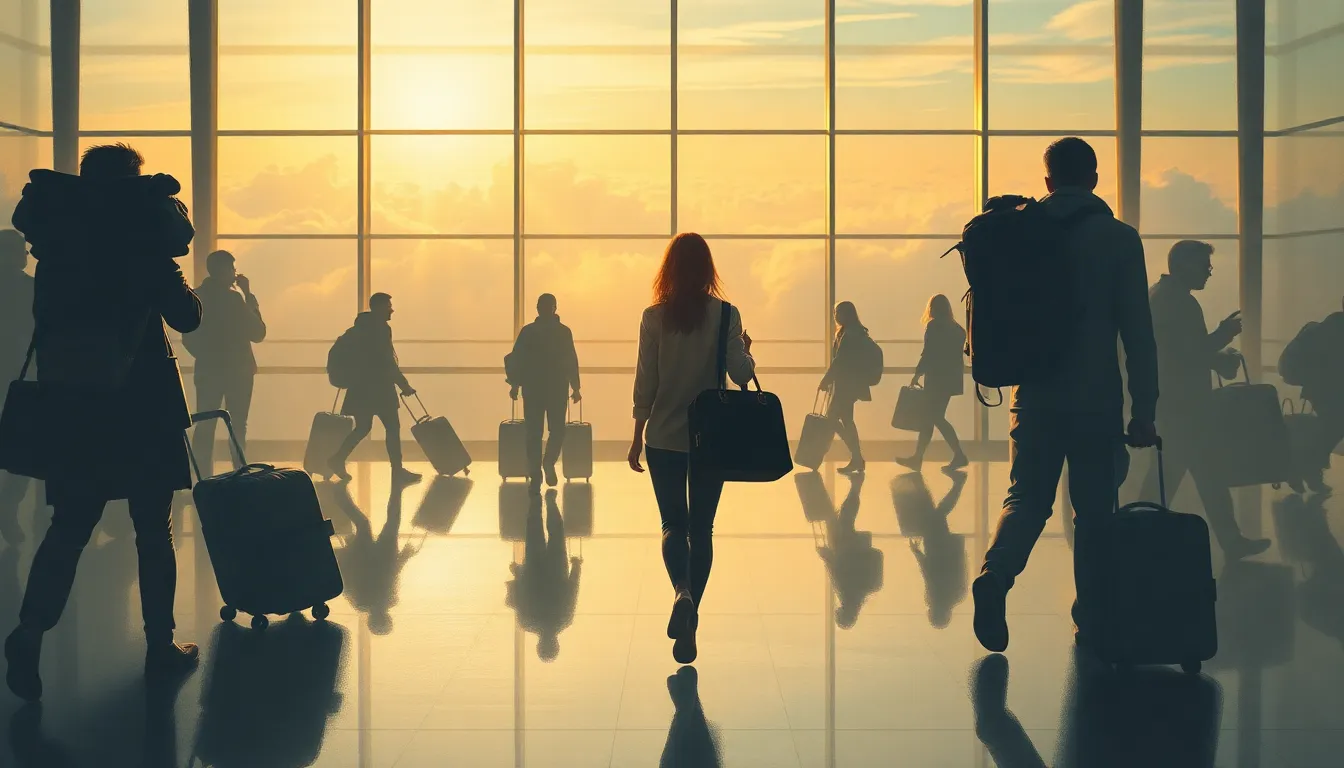
Packing Light: How to Travel with Only a Carry-On
Remember that last trip when you waited at the baggage carousel for what felt like an eternity? Or worse, when your luggage didn’t arrive at all at your destination? Traveling with only a carry-on eliminates these worries completely. In today’s world of airline baggage fees, flight delays, and security hassles, mastering the art of packing light isn’t just a skill - it’s a game-changer for modern travelers. This guide will show you how to fit everything you need for any trip into a single carry-on bag, giving you the freedom to move through airports quickly, avoid extra fees, and travel with confidence. Let’s dive into the practical steps that will transform your travel experience.
The Freedom of Traveling Light
There’s something incredibly liberating about stepping off a plane with just your bag in hand. No waiting at baggage carousels, no risk of lost luggage, no hefty fees for checked bags. When you travel with only a carry-on, you gain precious time and peace of mind. Imagine breezing through the airport, arriving at your destination with all your belongings right there with you, ready to start your adventure immediately.
The benefits extend beyond convenience. Travel light means you can take public transportation easily, navigate cobblestone streets without struggle, and hop on last-minute flights without worrying about your checked luggage. Environmental considerations also play a role - fewer bags mean less fuel consumption for aircraft. For me, the most significant advantage has been the mental shift. When I carry everything I need on my back, I feel more adaptable and self-reliant. I’m not tied down by possessions, which somehow makes me more present and engaged with my surroundings.
Many travelers worry about what they’ll miss by packing light. The truth is, you don’t need as much as you think. By focusing on versatile, high-quality pieces, you’ll discover that having less actually gives you more options. You’ll spend less time managing your belongings and more time enjoying your destination. Isn’t that why we travel in the first place?
Building Your Travel Capsule Wardrobe
The foundation of successful carry-on travel is your wardrobe. A travel capsule wardrobe consists of versatile pieces that coordinate well together. Start by choosing a color scheme - neutral colors like black, white, navy, and khaki create endless possibilities. Add one or two accent colors that you love. This approach ensures everything mixes and matches, maximizing your outfit options while minimizing the number of items you need to pack.
A great starting point is the 5-4-3-2-1 rule: 5 bottoms, 4 tops, 3 dresses/skirts, 2 jackets, and 1 pair of shoes. Adjust these numbers based on your trip length and planned activities. Choose fabrics that wrinkle-resistant, quick-drying, and versatile. Merino wool is a miracle fabric for travel - it’s temperature-regulating, odor-resistant, and needs minimal washing. For longer trips, plan to do laundry or pack travel-sized detergent.
Think about layers. A lightweight jacket that works in multiple seasons is more valuable than multiple specialized items. Scarves and accessories can dramatically transform outfits, taking you from daytime sightseeing to evening dinners with minimal additional items. Remember that most destinations have stores if you discover you need something specific - buying a small item locally can be a wonderful part of the travel experience.
🧐
Did You Know? The International Air Transport Association sets global standards for carry-on luggage, but individual airlines have their own size restrictions. The most common maximum carry-on size is 22 x 14 x 9 inches (56 x 36 x 23 cm), including handles and wheels.
Smart Packing Techniques
How you pack is just as important as what you pack. Start by laying out everything you think you need, then remove 20-30% of the items. Be ruthless - ask yourself if each item is truly essential. When it’s time to pack, rolling clothes instead of folding saves significant space and reduces wrinkles. This simple technique works particularly well for t-shirts, pants, and casual dresses.
Packing cubes are game-changers for organization. Use different colored cubes for different categories - clothes, toiletries, electronics, etc. This system makes finding what you need effortless without unpacking everything. For delicate items, consider using dry cleaning bags between layers - they prevent wrinkling and add a little extra protection.
Place heavier items at the bottom of your bag, near the wheels, for better balance. Keep frequently needed items like your passport, phone charger, and headphones in an easily accessible outer pocket or the top section of your bag. When going through security, having your liquids and electronics organized in separate bags makes the process much smoother. Remember to follow TSA guidelines - liquids must be in containers of 3.4 ounces or less, all fitting in a single quart-sized bag.
Choosing the Right Carry-On
Not all carry-on bags are created equal. When selecting your travel companion, consider size restrictions for your most common airlines. A bag that fits under the seat in front of you offers maximum convenience, especially on smaller aircraft or when you want to avoid overhead bin hassles. Hard-shell suitcases offer excellent protection but can be heavier and less flexible, while soft-sided bags are more expandable and lightweight.
Weight distribution is crucial. Four spinner wheels provide more stability than two, especially when navigating uneven surfaces. Look for bags with ergonomic handles that adjust to different heights - this makes a huge difference when pulling your bag through airports or up stairs. Consider organizational features too - interior compression straps, multiple compartments, and a water-resistant exterior can significantly enhance your packing experience.
Think about your personal travel style. If you frequently take weekend trips, a smaller 20-22 inch bag might suffice. For longer journeys, consider a 24-25 inch bag that still meets most airline requirements. Remember that the quality of your carry-on will affect your travel experience for years to come - invest in a well-constructed bag with durable zippers, sturdy handles, and quality wheels that will withstand the rigors of travel.
Traveling light isn’t just about the bag you choose - it’s about a mindset shift. When you limit yourself to a single bag, you become more intentional about your possessions and more adaptable in your travels. You’ll find that you need less than you think to be comfortable and happy. The freedom of movement and the reduction in stress that comes with carry-on travel are worth the initial effort to change your packing habits.
As you become more experienced, you’ll develop your own systems and preferences. The key is to start small - try packing light for a weekend trip before attempting a longer journey. With each trip, you’ll learn what works for you and refine your approach. Before you know it, traveling with only a carry-on will feel natural, and you’ll wonder why you ever subjected yourself to the hassles of checked luggage.
What size carry-on is allowed on airlines?
Airline carry-on size restrictions vary, but the most common maximum dimensions are 22 x 14 x 9 inches (56 x 36 x 23 cm), including handles and wheels. Always check your specific airline’s requirements before traveling, as budget carriers often have stricter size limits than full-service airlines.
How many outfits can I pack in a carry-on?
With careful planning, you can pack 7-10 outfits for a week-long trip in a standard carry-on. The key is choosing versatile pieces that can be mixed and matched, using a consistent color scheme, and employing space-saving techniques like rolling clothes and using packing cubes.
What toiletries can I bring in a carry-on?
Liquids, gels, and aerosols must be in containers of 3.4 ounces (100ml) or less, all fitting in a single quart-sized clear bag. Solid toiletries like shampoo bars, toothpaste tablets, and solid deodorant are great alternatives that don’t count toward liquid restrictions. Always check current TSA or equivalent regulations for your destination.
How to pack shoes in a carry-on?
Shoes take up significant space, so limit yourself to 2-3 pairs at most. Pack heavy shoes on the bottom of your bag, filling them with socks or small items to save space. Use shoe covers or bags to protect clean clothes from dirt. Consider versatile shoes that work for multiple occasions rather than specialized footwear for each activity.
What to do if my carry-on is slightly too big?
If your bag exceeds size limits, first try wearing your bulkiest items like a jacket or heavy shoes on the plane. Remove non-essential items and place them in your personal item. As a last resort, some airlines may allow you to check your carry-on at the gate without additional fees, especially during boarding when overhead bin space is limited.