

Imagine covering your entire mortgage by renting out a spare bedroom or the second unit in your duplex. For many homeowners, this isn't a fantasy - it's a real strategy called house hacking, and it's transforming how people think about homeownership. Instead of viewing your home purely as a place to live, house hacking treats it as both a residence and an income-generating asset. The concept is straightforward: you buy a property, live in one part, and rent out the rest to offset or completely eliminate your housing costs. In a world where mortgage payments consume a significant chunk of monthly income, this approach offers a practical path to financial freedom.
What House Hacking Really Means
House hacking comes in several forms, but they all share the same core principle - using rental income to reduce your personal housing expenses. The most common approach involves purchasing a multi-family property like a duplex, triplex, or fourplex. You live in one unit and rent out the others. The rental income flows directly toward your mortgage payment, property taxes, insurance, and maintenance costs.
Another popular method works with single-family homes. You rent out individual bedrooms to housemates while keeping one for yourself. This works especially well in college towns or urban areas where renters actively seek room-and-board arrangements. Some homeowners take it a step further by converting garages, basements, or building accessory dwelling units to create separate rentable spaces on their property.
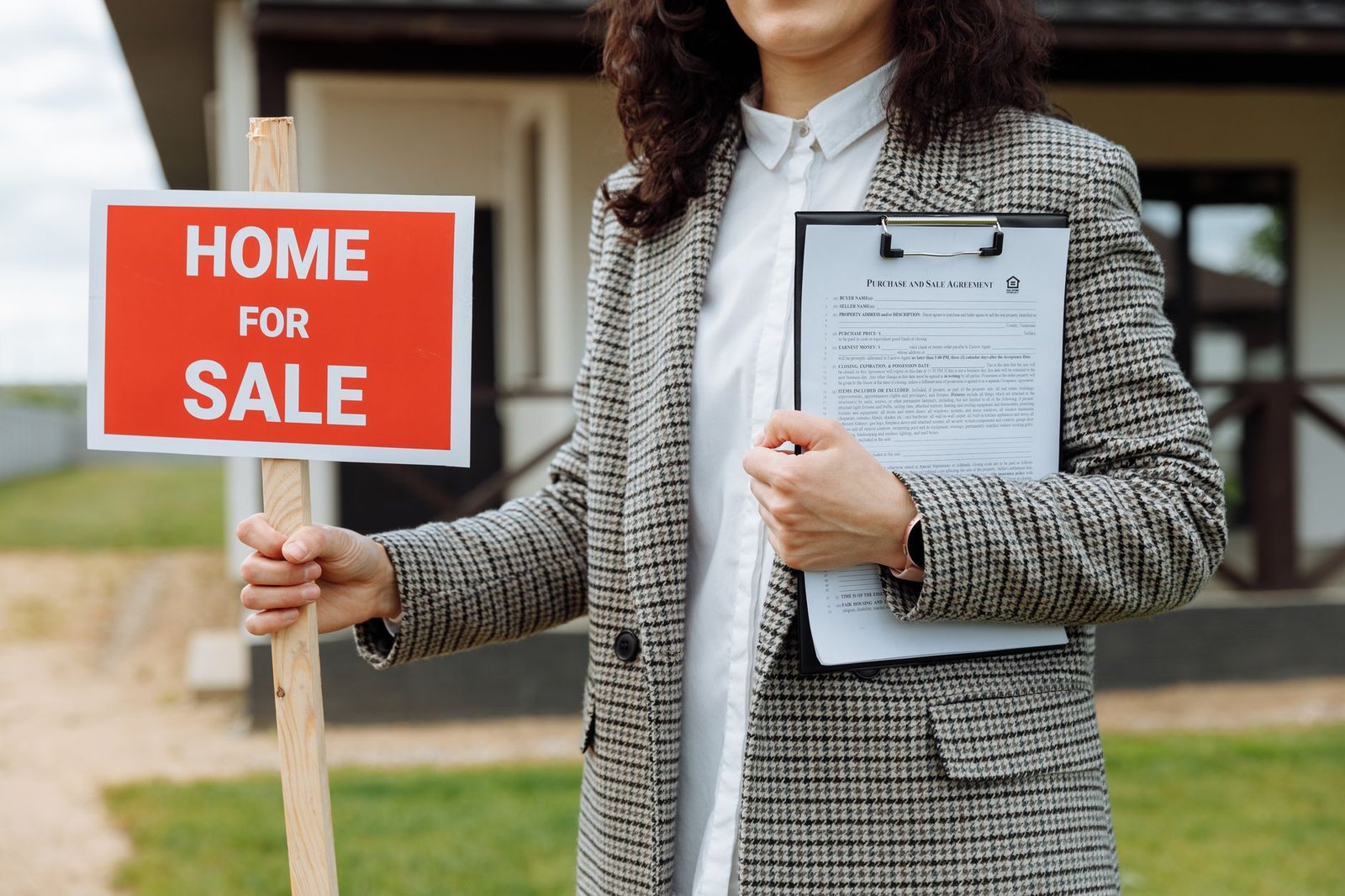
The beauty of this strategy lies in how it qualifies for owner-occupied financing. When you live on the property, you can access loan programs with much better terms than traditional investment properties. FHA loans, for instance, allow you to purchase a multi-family property with up to four units using as little as 3.5% down, provided you occupy one unit as your primary residence. Compare that to the typical 20-25% down payment required for pure investment properties, and you see why house hacking attracts first-time investors.
How People Are Living Mortgage-Free
Real-world examples bring this concept to life. One couple bought a six-bedroom house and rented out four rooms to individual tenants. The rental income didn't just help with the mortgage - it covered the entire payment, allowing them to live mortgage-free for a decade. During that time, they built substantial equity in the property while their tenants essentially paid down their principal balance.
After ten years, they sold that property and upgraded to a duplex. They lived in one unit and rented the other for long-term income, but they added another layer by using short-term rental platforms in their own unit when they traveled. They even converted their garage into a studio apartment, creating yet another income stream. This progression shows how house hacking can evolve from a simple cost-reduction strategy into a sophisticated real estate portfolio.
🧐 Did You Know? The term "house hacking" was popularized by Brandon Turner through BiggerPockets.com in 2013, though people have been using similar strategies for generations - they just didn't have a catchy name for it.
The Financial Mechanics Behind the Strategy
When you crunch the numbers, house hacking makes compelling financial sense. Traditional homeownership means you pay your full mortgage, taxes, insurance, and maintenance out of pocket. With house hacking, your tenants contribute significantly to those costs. In many cases, rental income covers 50-100% of your housing expenses, depending on your market and property configuration.
Beyond monthly cash flow, you're building equity through two channels. First, your tenants pay down your mortgage principal over time. Second, the property typically appreciates in value. You get to capture this wealth-building while living on the property, which means you're not paying separate rent elsewhere. The tax advantages add another dimension - you can often deduct expenses related to the rental portion of your property, including a portion of your mortgage interest, property taxes, repairs, and depreciation.
The owner-occupied financing advantage cannot be overstated. Investment property mortgages typically require larger down payments and come with higher interest rates because lenders view them as riskier. When you live on site, you qualify for conventional loans, FHA loans, VA loans (if you're a veteran), or USDA loans (in eligible rural areas), all of which offer better terms. This lower barrier to entry makes house hacking accessible to people who couldn't otherwise afford to break into real estate investing.
The Practical Realities You Should Consider
House hacking sounds perfect on paper, but it comes with trade-offs you need to weigh honestly. You're not just a homeowner - you're also a landlord. That means dealing with tenant screening, lease agreements, maintenance requests, and the occasional difficult conversation about late rent or noise complaints. Some people thrive on this responsibility, while others find it exhausting.
Privacy is another consideration. When you rent out rooms in your home, you share common spaces like kitchens and living rooms. Even with a duplex or triplex, your tenants are just on the other side of a wall or floor. You'll hear them, they'll hear you, and you might occasionally deal with parking disputes or disagreements about shared outdoor spaces. If you value complete privacy and quiet, house hacking might feel more constraining than liberating.
Location matters enormously. House hacking works best in markets with strong rental demand - typically college towns, urban centers, or areas with robust job markets. You need tenants who can reliably pay rent at rates high enough to cover your costs. In rural areas or declining markets, finding quality tenants becomes much harder. Before buying, research local rental rates, vacancy patterns, and landlord-tenant laws in your area.
The strategy also requires staying on the property for at least a year to satisfy most owner-occupied loan requirements. If your job requires frequent relocation or you're not ready to commit to a location, house hacking might not align with your lifestyle. After the initial occupancy period, you have more flexibility to move and convert the property to a full rental, but that first year ties you down.
Conclusion
House hacking represents a fundamental shift in how we think about homeownership. Instead of viewing your home purely as an expense, it becomes an asset that pays you back. The strategy isn't for everyone - it requires tolerance for tenant management, some sacrifice of privacy, and careful market selection. But for those willing to embrace these trade-offs, the financial benefits can be transformative. You can eliminate housing costs, build equity faster, and create a foundation for long-term real estate investing, all while living on the property. Since gaining renewed attention in recent years amid rising home prices and interest rates, house hacking has proven itself as more than a trend. It's a practical response to housing affordability challenges, offering a realistic path toward financial independence through real estate.
FAQs
Can I house hack with a single-family home?
Yes, you can house hack a single-family home by renting out individual bedrooms to housemates or by converting spaces like a basement or garage into a rentable unit. Many people also add an accessory dwelling unit to their property specifically for rental income. The key is ensuring your local zoning laws permit these arrangements.
How much can I realistically save through house hacking?
Savings vary widely based on your market, property type, and how many units you rent out. Some people offset a portion of their mortgage, while others cover their entire housing payment and generate positive cash flow. Your specific outcome depends on local rental rates, your mortgage terms, and property expenses.
Do I need real estate experience to start house hacking?
No prior real estate experience is required, though being a first-time landlord means you'll need to learn tenant screening, lease agreements, and basic property maintenance. Many house hackers start with no experience and learn as they go. Resources from real estate communities and local landlord associations can help you get up to speed quickly.
What happens if my tenant stops paying rent?
Non-paying tenants are a risk in any rental situation. You'll need to follow your state's eviction process, which can take weeks or months. This is why thorough tenant screening before signing a lease is critical. Many house hackers keep an emergency fund specifically to cover mortgage payments during tenant transitions or non-payment situations.
Can I use house hacking if I already own a home?
If you already own a primary residence, you could rent out rooms in your current home, though you wouldn't get the owner-occupied financing benefits for a new purchase. Alternatively, you could move to a new multi-family property, make it your primary residence, and convert your old home to a rental property, though this requires qualifying for two mortgages simultaneously.