

Every year in the small town of Yoro, Honduras, something extraordinary happens. After powerful thunderstorms roll through the region, residents venture outside to find hundreds of small, silvery fish scattered across the ground. It's not a trick or a hoax - it's a phenomenon locals have witnessed for generations, and one that has baffled scientists and intrigued visitors from around the world. This strange occurrence, known as the "Lluvia de Peces" or "Rain of Fish," has become so culturally significant that the town now celebrates it with an annual festival, drawing crowds eager to witness what seems impossible: fish apparently falling from the sky.
The phenomenon raises immediate questions. How do fish end up on dry land after a storm? Are they truly raining down from clouds, or is something else at play? While the event has sparked numerous scientific investigations and local legends, the answers remain more complex than you might expect.
What Happens During the Lluvia de Peces
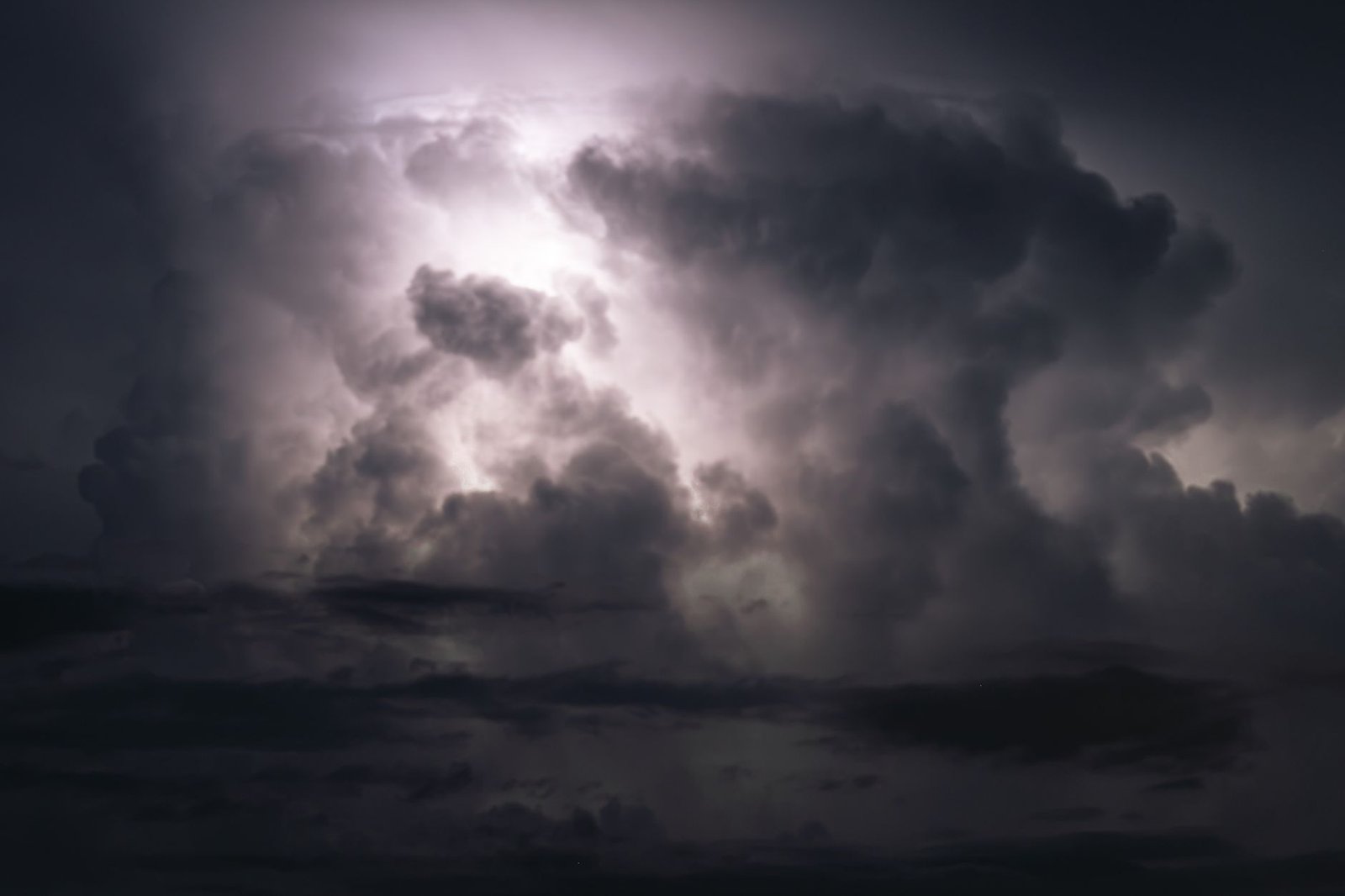
The Rain of Fish typically occurs between May and July, coinciding with Honduras's rainy season. After a particularly heavy storm - often accompanied by strong winds and lightning - townspeople report finding small, blind fish lying on the ground, sometimes still alive and wriggling. These aren't just one or two fish; witnesses describe finding them in sufficient quantities to fill buckets.
What makes the phenomenon especially puzzling is the type of fish involved. The creatures are small, sardine-like freshwater fish that often don't match species found in the local rivers and streams near Yoro. Many of them are blind, which has led researchers to suspect they might originate from underground water systems rather than surface waterways. The fish are real, edible, and locals have historically gathered them as a welcome source of protein.
The event doesn't happen with clockwork regularity, but it's common enough that it has shaped the town's identity. According to The New York Times, the phenomenon can occur more than once in a given year, always following the same pattern: violent storm, heavy rain, and then fish on the ground when the weather clears.
Scientific Theories Behind the Phenomenon
Scientists have proposed several explanations for the Yoro fish rain, though none has been definitively proven. The most dramatic theory - that waterspouts or tornadic winds suck fish from bodies of water and deposit them miles away - is popular in folklore but faces skepticism from researchers who have studied the Yoro case specifically.
In the 1970s, a National Geographic team traveled to Yoro to investigate. They observed fish on the ground after a storm and developed a hypothesis that has gained traction among scientists. Rather than falling from the sky, these blind fish might be emerging from underground rivers or subterranean caves. During heavy rainfall, these underground water systems could overflow or become disturbed, forcing fish that normally live in darkness to the surface where they become stranded when floodwaters recede.
🧐 Did You Know? Since 1998, Yoro has hosted the annual "Festival de Lluvia de Peces," featuring a parade and carnival celebration that transforms this mysterious natural event into a cultural tradition that draws visitors from across Central America.
This underground theory would explain why the fish are often blind - a common adaptation for creatures living in perpetual darkness - and why they don't match species in nearby surface rivers. It would also explain why the phenomenon is localized to this particular region, which may have unique geological features including cave systems and underground waterways.
Another possibility involves flash flooding. During intense storms, temporary streams and rivulets form across the landscape, potentially carrying fish from isolated pools, wetlands, or seasonal water bodies to new locations. When these flash floods subside, the fish are left behind on what appears to be dry land. This explanation, while less mysterious than fish literally raining from clouds, still doesn't fully account for the types of fish found or their apparent absence from local waters before the storms.
Local Legend and Cultural Significance
Beyond the scientific debate, the Rain of Fish holds deep cultural and spiritual meaning in Yoro. Local tradition credits the phenomenon to Father José Manuel Subirana, a Spanish Catholic priest who worked with impoverished communities in Honduras during the 19th century. According to legend, Father Subirana witnessed the suffering and hunger of Yoro's residents and prayed for three days and nights asking for divine intervention to provide food for the people. Shortly after, the first fish rain occurred, and it has continued ever since.
Whether you view this as literal miracle or metaphorical storytelling, the legend reflects something real about the community's relationship with the phenomenon. For generations of families in Yoro, the appearance of fish after storms has been a providential source of nutrition, arriving when it's needed most. This practical benefit has made the event something to celebrate rather than fear.
The annual festival that began in 1998 has transformed the Rain of Fish from a local oddity into a point of civic pride. The celebration includes music, dancing, traditional foods, and a parade that brings together residents and tourists. It's a reminder that mysterious natural phenomena don't just puzzle scientists - they shape cultures, inspire stories, and create connections between people and the environment they inhabit.
For more details on the investigation and various theories, World Atlas provides additional context on the ongoing debate about whether fish truly rain from the sky.
Similar Phenomena Around the World
Yoro isn't the only place where animals have reportedly fallen from the sky. Historical records and news reports document cases of frogs, fish, and even birds appearing to rain down in various locations worldwide. Some of these events have clearer explanations than others.
Waterspouts - tornadic columns of rotating air over water - have been documented lifting marine life and depositing it on land. In coastal areas or near large lakes, these weather events provide a plausible mechanism for animal rain. Strong updrafts in severe thunderstorms can also carry lightweight objects, including small animals, significant distances before dropping them.
However, the Yoro case stands apart because of its regularity and predictability. While other reported instances of animal rain tend to be one-time events that make headlines precisely because they're so unusual, the Lluvia de Peces happens often enough to be anticipated. This pattern suggests that whatever causes it is a stable, repeating aspect of the local environment rather than a freak occurrence.
The persistence of the phenomenon over decades, perhaps centuries, points toward an explanation rooted in the region's specific geography and hydrology. Whether it involves underground water systems, unique weather patterns, or a combination of factors we haven't fully identified, the Rain of Fish appears to be a genuinely local mystery rather than a version of the more widely distributed animal-rain reports.
Conclusion
The Rain of Fish in Honduras sits at the intersection of science, folklore, and lived experience. While researchers lean toward explanations involving underground rivers and flash flooding, the phenomenon hasn't been definitively solved. What we do know is that real fish appear on the ground in Yoro after storms, that this has happened reliably for generations, and that it matters deeply to the people who live there.
Perhaps the most valuable lesson from the Lluvia de Peces isn't about finding the perfect scientific explanation. It's about how communities make meaning from the mysterious, how natural events shape cultural identity, and how what seems impossible can become simply part of life when you experience it year after year. The fish may not literally fall from clouds, but for the people of Yoro, the wonder of finding them scattered on the earth after a storm remains unchanged. Whether miracle or geology, the phenomenon continues to nourish both body and imagination in this corner of Honduras.
FAQs
Does it really rain fish from the sky in Honduras?
Fish do appear on the ground in Yoro, Honduras after heavy storms, but whether they actually fall from the sky is debated. Scientists suspect they may emerge from underground rivers or caves during flooding rather than literally raining down from clouds, though the exact mechanism remains unproven.
When does the fish rain typically happen in Yoro?
The phenomenon usually occurs during Honduras's rainy season between May and July, following particularly heavy thunderstorms. It can happen more than once per year, though it's not predictable down to specific dates.
What kind of fish are found after the rain?
The fish are typically small, sardine-like freshwater species, often blind. Notably, they frequently don't match the species found in Yoro's local surface rivers and streams, which has led scientists to theorize they come from underground water systems.
Is there a festival celebrating the fish rain?
Yes, since 1998 Yoro has held an annual "Festival de Lluvia de Peces" that celebrates the phenomenon with parades, music, dancing, and carnival activities. The festival has become a significant cultural event that attracts visitors from across Central America.
Has anyone scientifically proven what causes the fish rain?
No definitive scientific explanation has been proven. A National Geographic team in the 1970s hypothesized that underground rivers overflow during heavy rains, forcing subterranean fish to the surface, but this theory hasn't been conclusively verified. The phenomenon remains an active subject of debate among researchers.